Dec 24, 2025Ravie LakshmananPrivacy / Antitrust
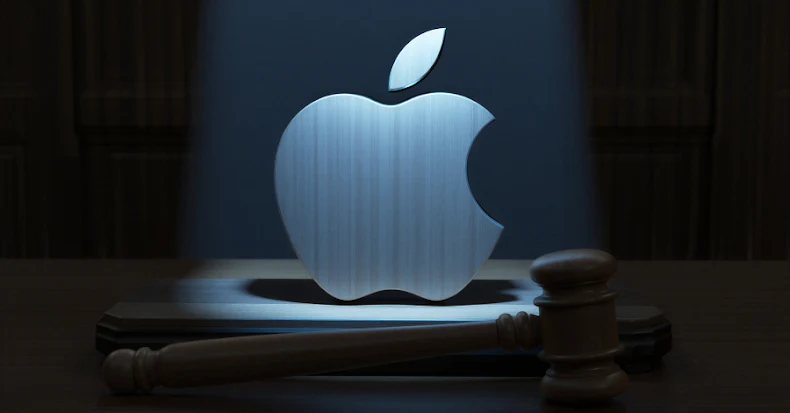
Apple has been fined €98.6 million ($116 million) by Italy’s antitrust authority after discovering that the corporate’s App Monitoring Transparency (ATT) privateness framework restricted App Retailer competitors.
The Italian Competitors Authority (Autorità Garante della Concorrenza e del Mercato, or AGCM) stated the corporate’s “absolute dominant place” in app distribution allowed it to “unilaterally impose” the ATT guidelines on third-party app builders, with out consulting with them beforehand. The investigation was launched in Could 2023.
The AGCM stated it isn’t calling into query Apple’s resolution to undertake safeguards designed to boost customers’ privateness on iOS, however slightly it is taking challenge with the consent necessities which might be excessively burdensome for builders and “disproportionate” to the acknowledged aims of ATT.
Particularly, this requires builders to serve each ATT- and GDPR-related permission prompts in apps for iPhone and iPad customers within the E.U. to hunt person permission earlier than processing their information for personalised advertisements. In distinction, Apple’s personal apps and companies can acquire this permission in a single faucet.
“Particularly, third-party app builders are required to acquire particular consent for the gathering and linking of information for promoting functions by Apple’s ATT immediate,” AGCM stated. “Nevertheless, such a immediate doesn’t meet privateness laws necessities, forcing builders to double the consent request for a similar function.”
The authority additionally stated the double consent requirement that arises on account of ATT harms third-party builders who depend on promoting, including, “Apple ought to have ensured the identical degree of privateness safety for customers by permitting builders to acquire consent to profiling in a single ‘Customized Promoting’ immediate.
In an announcement shared with Reuters, Apple stated it’ll enchantment the regulator’s resolution and reiterated its dedication “to defend robust privateness protections.” It additionally stated the principles apply equally to all builders, together with Apple.
Apple launched ATT in 2021 as a method for cell apps to hunt customers’ specific consent with a purpose to entry their gadget’s distinctive promoting identifier for monitoring them throughout apps and web sites for focused promoting.
This isn’t the primary time the privateness framework has run at odds with competitors authorities. Again in March 2025, the corporate was additionally fined €150 million ($162 million) by France’s competitors watchdog for utilizing ATT to leverage its dominant market place in cell app promoting.
Apple can be dealing with related probes in Poland and Romania. Earlier this month, Germany’s antitrust authority stated it was testing Apple’s proposed adjustments to ATT, which included adjustments to the textual content and formatting of the consent immediate whereas sustaining “core person advantages.”
The corporate is alleged to have agreed to introduce impartial consent prompts for each its personal companies and third-party apps, along with simplifying the consent course of in order that builders can acquire person permission in a way that complies with information safety legislation.