Skip to content
  • Blog Home
  • Cyber Map
  • About Us – Contact
  • Disclaimer
  • Terms and Rules
  • Privacy Policy
Cyber Web Spider Blog – News

Cyber Web Spider Blog – News

Globe Threat Map provides a real-time, interactive 3D visualization of global cyber threats. Monitor DDoS attacks, malware, and hacking attempts with geo-located arcs on a rotating globe. Stay informed with live logs and archive stats.

  • Home
  • Cyber Map
  • Cyber Security News
  • Security Week News
  • The Hacker News
  • How To?
  • Toggle search form
ValleyRAT Malware Uses Fake LINE Installer to Steal Data

ValleyRAT Malware Uses Fake LINE Installer to Steal Data

Posted on February 4, 2026 By CWS

A new cybersecurity threat has emerged as malicious actors deploy the ValleyRAT backdoor, masquerading as the legitimate installer for the popular messaging app, LINE. This campaign is primarily targeting Chinese-speaking users, aiming to infiltrate their systems and steal sensitive login credentials.

Deceptive Entry and Execution

The threat actors are using a fake LINE installer to initiate a complex infection process. The malware employs advanced techniques, including executing shellcode and utilizing legitimate system binaries, to bypass security measures and establish a long-term presence on the affected device.

Upon execution, the installer activates a multi-stage infection chain, which includes efforts to disable Windows Defender by executing PowerShell commands. These commands attempt to exclude entire system drives from antivirus scanning, allowing the malware to operate undetected.

Advanced Evasion Techniques

The ValleyRAT malware employs sophisticated methods to avoid detection. It incorporates a malicious library named intel.dll, which conducts thorough environmental checks to determine if it is being run within a safe environment. If deemed secure, it proceeds to unpack its primary payload, fully compromising the device.

According to analysts from Cybereason, the malware uses the advanced PoolParty Variant 7 injection technique. This approach allows attackers to conceal their malicious activities within trusted system processes, making detection by security software significantly more challenging.

Persistence and Data Theft

To maintain persistence, the malware injects code into processes like Explorer.exe and UserAccountBroker.exe. The latter acts as a watchdog, ensuring that the malicious components remain active. By exploiting Windows APIs, the malware executes code in the memory space of these trusted processes.

Moreover, the malware actively targets security products from vendors such as Qihoo 360, terminating their network connections to disable local defenses. Scheduled tasks are registered via Remote Procedure Call protocols, ensuring the malware runs automatically upon user login.

To legitimize its presence, the malware uses a digital certificate issued to “Chengdu MODIFENGNIAO Network Technology Co., Ltd,” although the cryptographic signature is found to be invalid. Users are advised to download installers only from official sources to prevent infection.

Security teams are encouraged to configure detection rules to identify invalid certificates and monitor suspicious child processes spawned by Explorer.exe, as they indicate potential process hollowing activities.

Stay informed by following us on Google News, LinkedIn, and X for more updates. Set CSN as a preferred source in Google for the latest cybersecurity news.

Cyber Security News Tags:Chinese-speaking users, code injection, Cybersecurity, data theft, endpoint security, intel.dll, Line, Malware, persistent threats, PoolParty Variant 7, PowerShell, Shellcode, system processes, ValleyRAT

Post navigation

Previous Post: Critical SolarWinds Vulnerability Under Active Exploitation
Next Post: SystemBC Botnet Expands to 10,000 Devices for Global Attacks

Related Posts

Microsoft Teams New feature Allows Users to Flag Malicious Calls Microsoft Teams New feature Allows Users to Flag Malicious Calls Cyber Security News
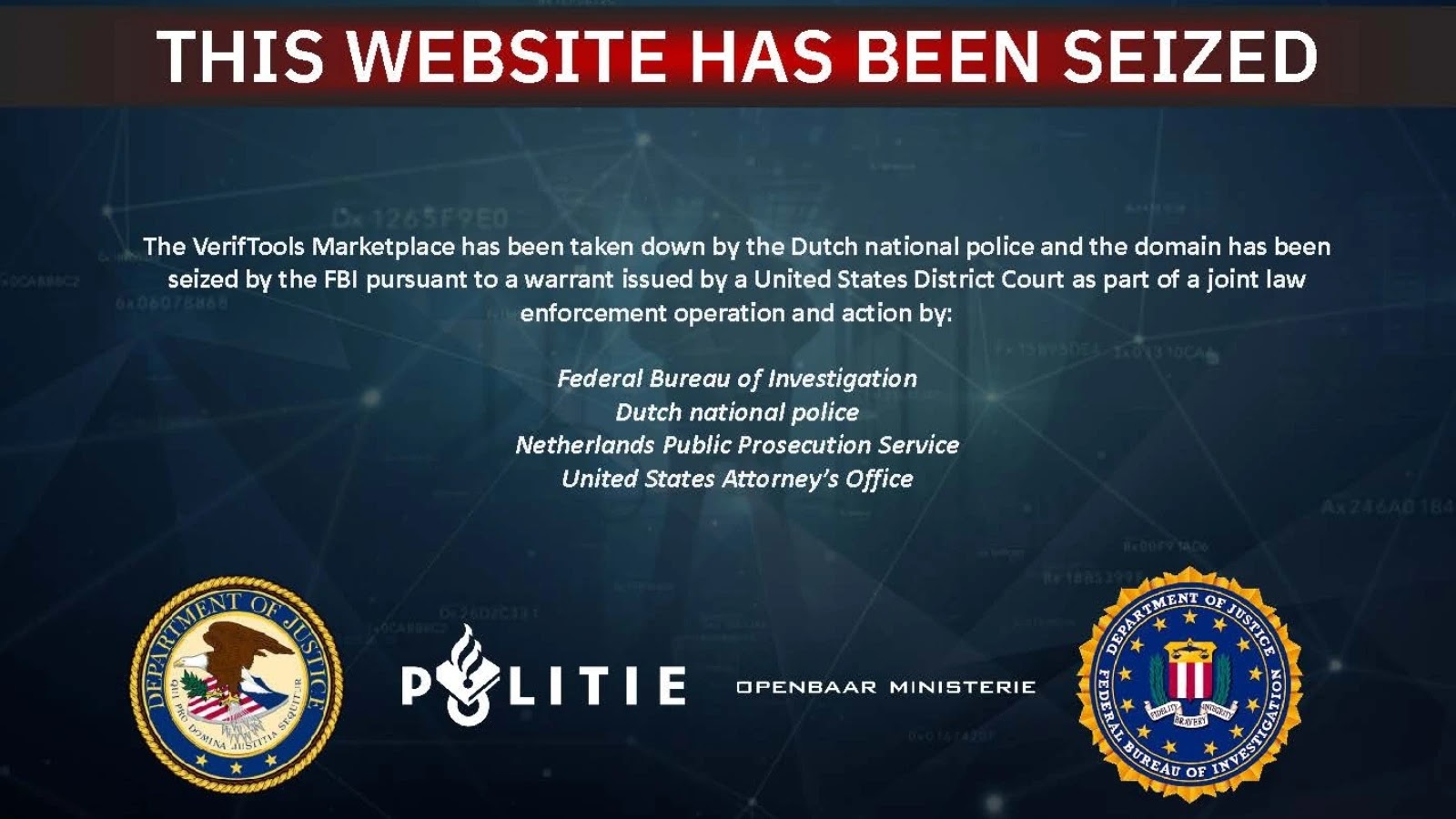
U.S. Government Seizes Online Marketplaces Used to Sell Fraudulent Identity Documents to Cybercriminals U.S. Government Seizes Online Marketplaces Used to Sell Fraudulent Identity Documents to Cybercriminals Cyber Security News
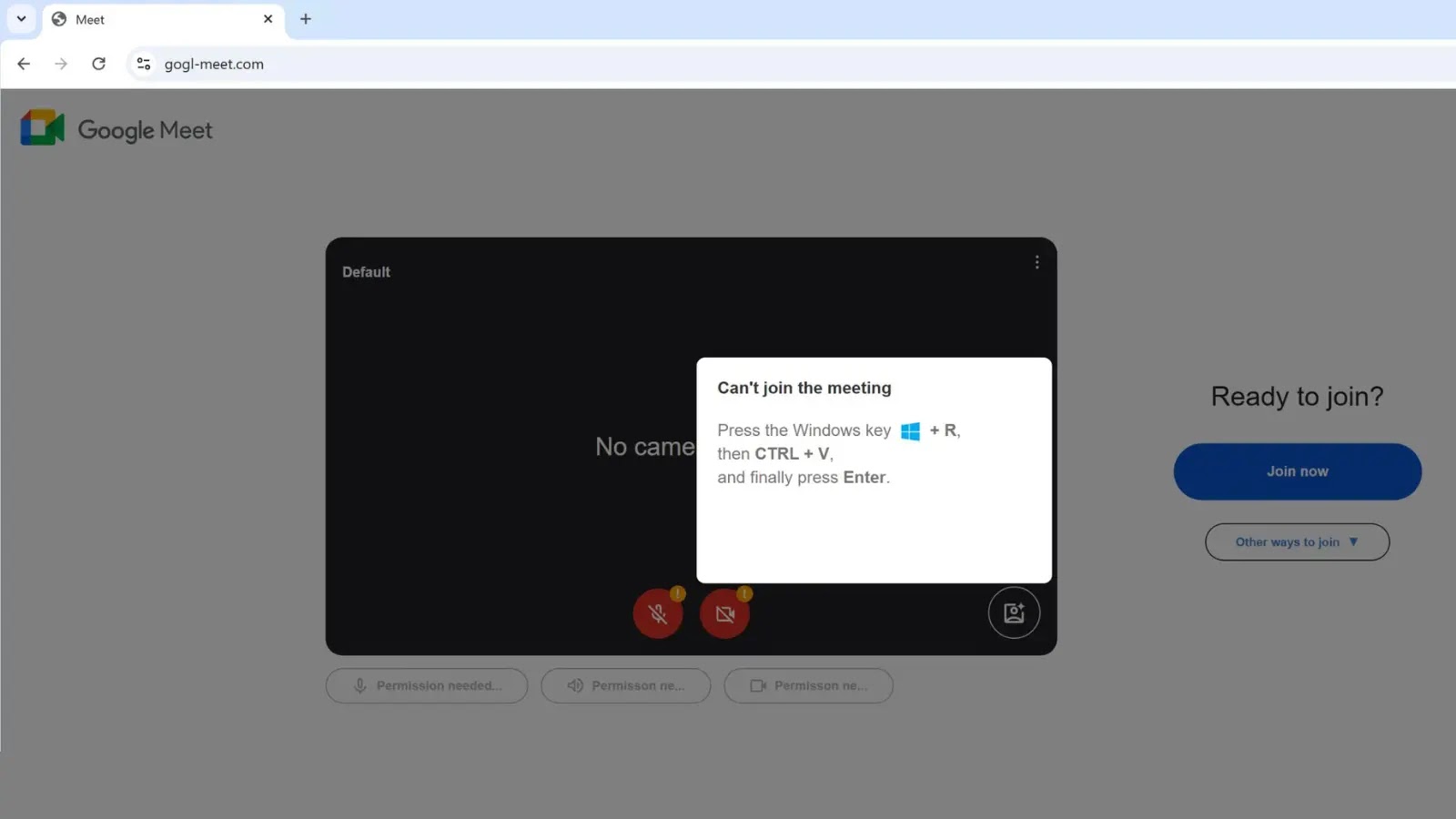
Beware of Weaponized Google Meet page that uses ClickFix to deliver Malicious Payload Beware of Weaponized Google Meet page that uses ClickFix to deliver Malicious Payload Cyber Security News
Threat Actor Mimo Attacking Magento CMS to Steal Card Details and Bandwidth Monetization Threat Actor Mimo Attacking Magento CMS to Steal Card Details and Bandwidth Monetization Cyber Security News
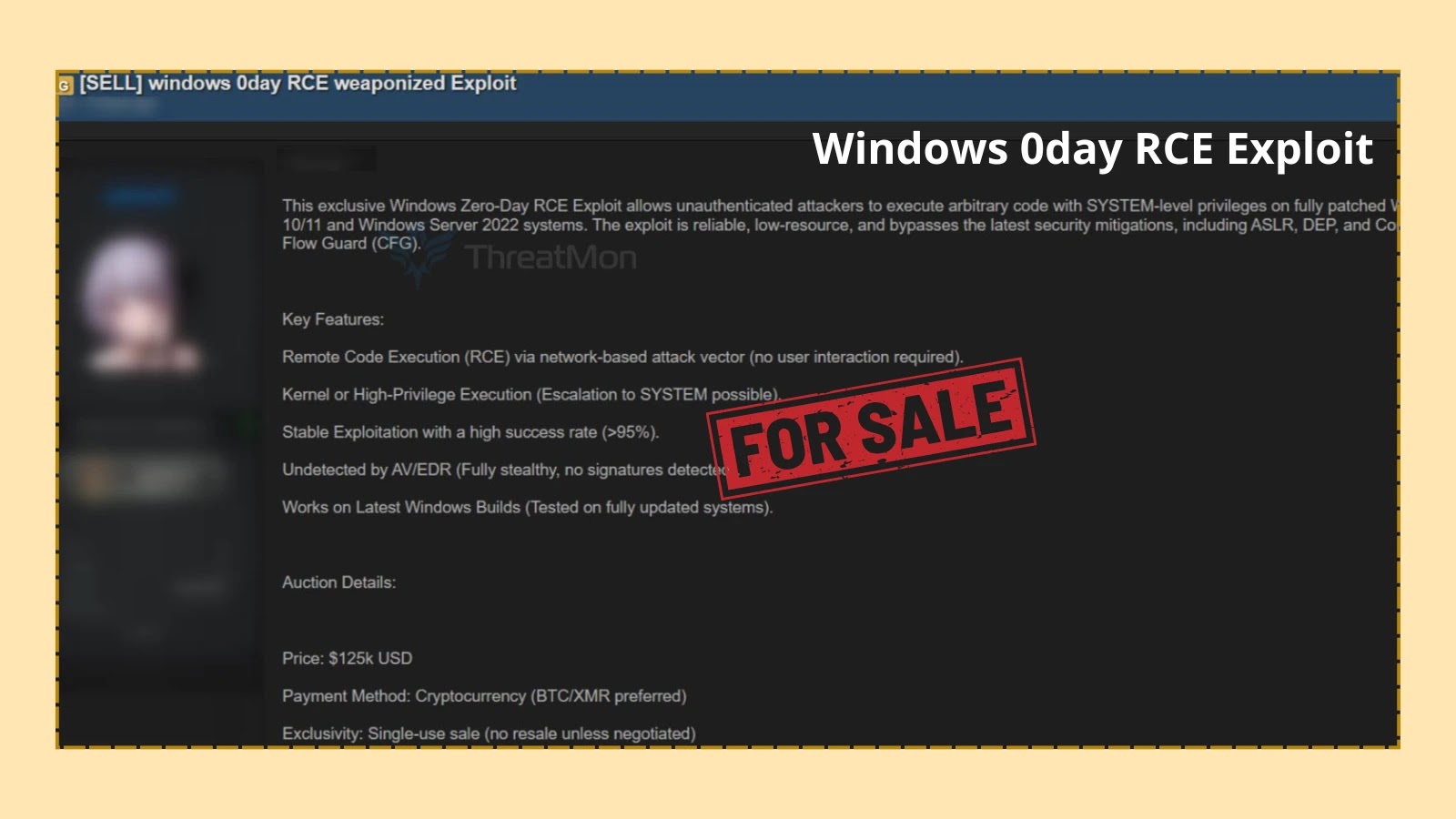
Threat Actors Allegedly Listed Windows Zero-Day RCE Exploit For Sale on Dark Web Threat Actors Allegedly Listed Windows Zero-Day RCE Exploit For Sale on Dark Web Cyber Security News
New Ghost Calls Attack Abuses Web Conferencing for Covert Command & Control New Ghost Calls Attack Abuses Web Conferencing for Covert Command & Control Cyber Security News

Categories

  • Cyber Security News
  • How To?
  • Security Week News
  • The Hacker News

Recent Posts

  • Interlock Ransomware Utilizes Zero-Day to Evade Security
  • Stealthy DEAD#VAX Malware Uses AsyncRAT via IPFS VHDs
  • PhantomVAI Loader Utilizes RunPE for Stealthy Attacks
  • Microsoft Unveils Tool to Detect AI Model Backdoors
  • SystemBC Botnet Expands to 10,000 Devices for Global Attacks

Pages

  • About Us – Contact
  • Disclaimer
  • Privacy Policy
  • Terms and Rules

Archives

  • February 2026
  • January 2026
  • December 2025
  • November 2025
  • October 2025
  • September 2025
  • August 2025
  • July 2025
  • June 2025
  • May 2025

Recent Posts

  • Interlock Ransomware Utilizes Zero-Day to Evade Security
  • Stealthy DEAD#VAX Malware Uses AsyncRAT via IPFS VHDs
  • PhantomVAI Loader Utilizes RunPE for Stealthy Attacks
  • Microsoft Unveils Tool to Detect AI Model Backdoors
  • SystemBC Botnet Expands to 10,000 Devices for Global Attacks

Pages

  • About Us – Contact
  • Disclaimer
  • Privacy Policy
  • Terms and Rules

Categories

  • Cyber Security News
  • How To?
  • Security Week News
  • The Hacker News

Copyright © 2026 Cyber Web Spider Blog – News.

Powered by PressBook Masonry Dark