Skip to content
  • Blog Home
  • Cyber Map
  • About Us – Contact
  • Disclaimer
  • Terms and Rules
  • Privacy Policy
Cyber Web Spider Blog – News

Cyber Web Spider Blog – News

Globe Threat Map provides a real-time, interactive 3D visualization of global cyber threats. Monitor DDoS attacks, malware, and hacking attempts with geo-located arcs on a rotating globe. Stay informed with live logs and archive stats.

  • Home
  • Cyber Map
  • Cyber Security News
  • Security Week News
  • The Hacker News
  • How To?
  • Toggle search form
New Tool Exploits Windows Service Recovery for Cyber Attacks

New Tool Exploits Windows Service Recovery for Cyber Attacks

Posted on February 9, 2026 By CWS

A newly released open-source tool, ‘RecoverIt’, is making waves in the cybersecurity community. Designed for Red Teamers and penetration testers, it provides a fresh approach to achieving persistence and lateral movement on compromised Windows systems.

How RecoverIt Operates

Developed by security researcher TwoSevenOneT, RecoverIt utilizes the failure recovery mechanism of Windows Services to execute arbitrary code. This method allows it to bypass common detection measures implemented by Endpoint Detection and Response (EDR) systems.

Windows Services are built to ensure system resilience, with the Service Control Manager (SCM) offering a ‘Recovery’ tab for each service. This tab allows administrators to specify actions in case of a service failure, such as restarting the service or system, or, crucially, running a specific program.

Exploiting Service Recovery Functions

RecoverIt exploits this functionality by altering a service’s configuration to run a malicious payload instead of a legitimate recovery program. It requires three main inputs: the target service name, the program to execute upon failure, and the program’s parameters.

In a documented case, TwoSevenOneT illustrates targeting the ‘UevAgentService’, which crashes if the broader UE-V service is disabled. By configuring this service with RecoverIt, attackers can ensure that a payload is executed upon failure, masquerading malicious activity as routine system operations.

Implications for Cybersecurity

The introduction of RecoverIt signifies a shift in evasion tactics. Attackers traditionally altered the ImagePath registry value to achieve persistence. However, this method is now closely monitored by EDR solutions. RecoverIt circumvents such scrutiny by modifying FailureCommand and FailureActions settings, areas often overlooked by system administrators.

Defending against this technique requires enhanced vigilance. Security teams should update their detection logic to monitor changes in service recovery configurations. Additionally, they should scrutinize child processes initiated by services.exe, especially if they are command interpreters like PowerShell or CMD.

Ultimately, the release of RecoverIt underscores the need for a defense-in-depth strategy, highlighting how legitimate system features can be weaponized when overlooked in standard security postures. Staying informed and adapting to these evolving threats is crucial for maintaining system integrity.

For more cybersecurity updates, follow us on Google News, LinkedIn, and X. Contact us to share your stories.


Cyber Security News Tags:cyber attacks, Cybersecurity, EDR, Malware, penetration testing, Persistence, RecoverIt, Red Team, Windows security, Windows Services

Post navigation

Previous Post: TeamPCP Exploits Cloud Vulnerabilities for Cybercrime
Next Post: ScarCruft Exploits Cloud Services in New Malware Campaign

Related Posts

How to Implement Zero Trust Architecture in Enterprise Networks How to Implement Zero Trust Architecture in Enterprise Networks Cyber Security News
ShinyHunters Claims Data Theft from 200+ Companies via Salesforce Gainsight Breach ShinyHunters Claims Data Theft from 200+ Companies via Salesforce Gainsight Breach Cyber Security News
CISA Releases Best Security Practices Guide for Hardening Microsoft Exchange Server CISA Releases Best Security Practices Guide for Hardening Microsoft Exchange Server Cyber Security News
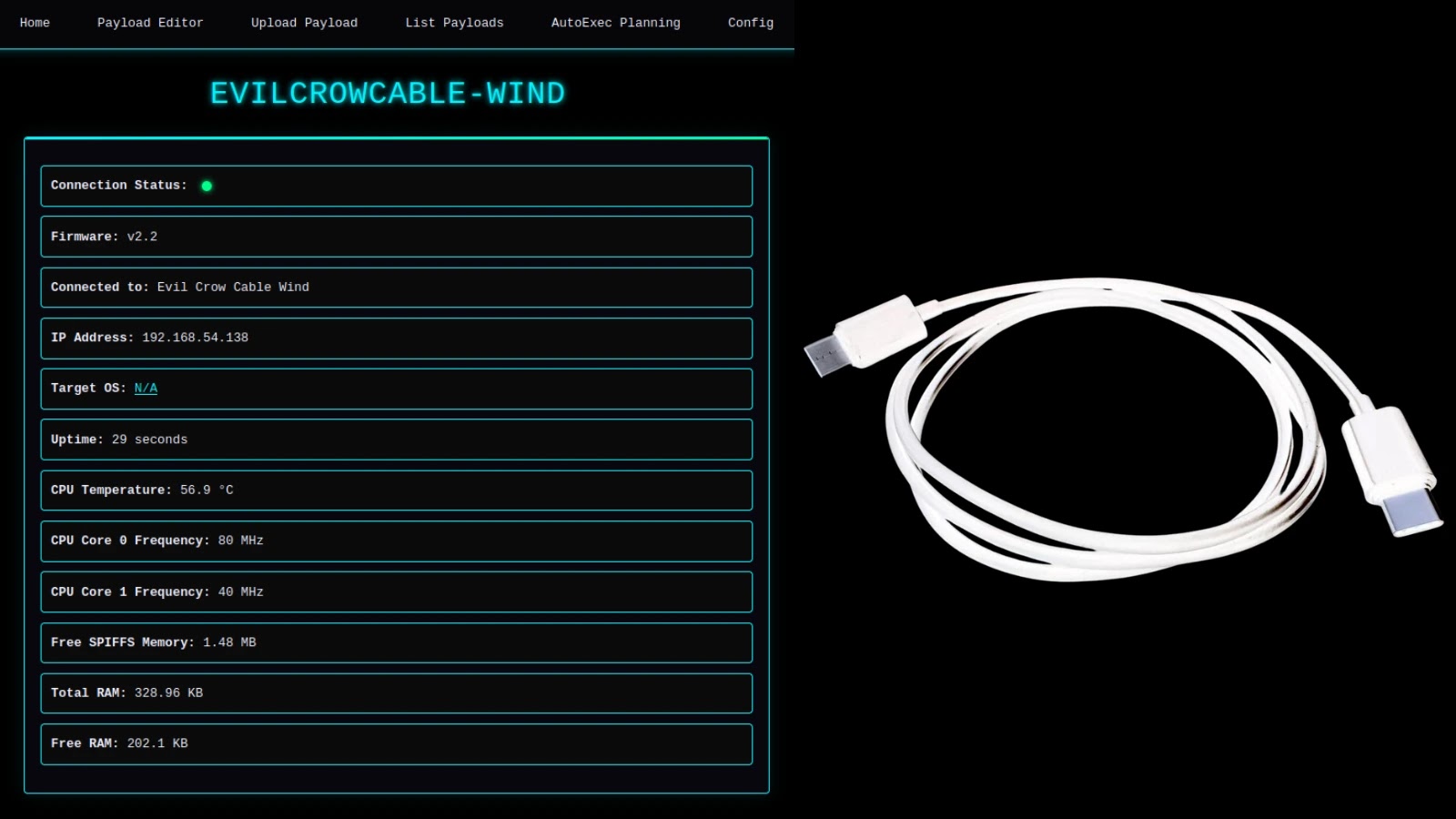
Charging Cable that Hacks your Device to Record Keystrokes and Control Wi-Fi Charging Cable that Hacks your Device to Record Keystrokes and Control Wi-Fi Cyber Security News
Cloudflare Acquired Open-source Web Framework Astro to Supercharge Development Cloudflare Acquired Open-source Web Framework Astro to Supercharge Development Cyber Security News
APT Groups Attacking Construction Industry Networks to Steal RDP, SSH and Citrix Logins APT Groups Attacking Construction Industry Networks to Steal RDP, SSH and Citrix Logins Cyber Security News

Categories

  • Cyber Security News
  • How To?
  • Security Week News
  • The Hacker News

Recent Posts

  • SolarWinds WHD Exploited in Complex Multi-Stage Cyber Attacks
  • Discord Introduces Age-Restricted Features for Safer Use
  • Major Cybersecurity M&A Deals in January 2026
  • Hackers Utilize DKIM Replay to Exploit Trusted Invoices
  • Ransomware Groups May Shift Back to Encryption Strategies

Pages

  • About Us – Contact
  • Disclaimer
  • Privacy Policy
  • Terms and Rules

Archives

  • February 2026
  • January 2026
  • December 2025
  • November 2025
  • October 2025
  • September 2025
  • August 2025
  • July 2025
  • June 2025
  • May 2025

Recent Posts

  • SolarWinds WHD Exploited in Complex Multi-Stage Cyber Attacks
  • Discord Introduces Age-Restricted Features for Safer Use
  • Major Cybersecurity M&A Deals in January 2026
  • Hackers Utilize DKIM Replay to Exploit Trusted Invoices
  • Ransomware Groups May Shift Back to Encryption Strategies

Pages

  • About Us – Contact
  • Disclaimer
  • Privacy Policy
  • Terms and Rules

Categories

  • Cyber Security News
  • How To?
  • Security Week News
  • The Hacker News

Copyright © 2026 Cyber Web Spider Blog – News.

Powered by PressBook Masonry Dark