Skip to content
  • Blog Home
  • Cyber Map
  • About Us – Contact
  • Disclaimer
  • Terms and Rules
  • Privacy Policy
Cyber Web Spider Blog – News

Cyber Web Spider Blog – News

Globe Threat Map provides a real-time, interactive 3D visualization of global cyber threats. Monitor DDoS attacks, malware, and hacking attempts with geo-located arcs on a rotating globe. Stay informed with live logs and archive stats.

  • Home
  • Cyber Map
  • Cyber Security News
  • Security Week News
  • The Hacker News
  • How To?
  • Toggle search form
Revolutionary Open-source LLM Vulnerability Scanner Launched

Revolutionary Open-source LLM Vulnerability Scanner Launched

Posted on February 10, 2026 By CWS

In a significant advancement for AI security, Praetorian has unveiled Augustus, a cutting-edge open-source vulnerability scanner designed to protect Large Language Models (LLMs) from a growing array of adversarial threats. With over 210 attack strategies targeting 28 LLM providers, Augustus promises to enhance the security landscape for enterprises integrating Generative AI into their operations.

Innovative Security Features

Augustus is crafted to bridge the divide between academic research tools and practical security testing solutions. Unlike existing tools that often require complex setups, Augustus is a straightforward, portable solution compiled as a single Go binary. This approach eliminates typical challenges associated with Python-based tools, allowing for seamless integration into continuous deployment pipelines.

Additionally, Augustus leverages Go’s concurrency primitives to facilitate fast, parallel scanning operations. This capability ensures it outperforms predecessors in terms of speed and resource efficiency, making it a compelling choice for security teams.

Comprehensive Attack Library

At its core, Augustus functions as an attack engine, automating AI model testing with an extensive library of over 210 vulnerability probes. These probes span 47 attack categories, including jailbreaks, prompt injections, and data extraction techniques. Such comprehensive coverage ensures a robust defense against potential vulnerabilities in AI models.

Augustus features a unique “Buff” system, enabling testers to dynamically transform probes. This system supports paraphrasing, language translation, and encoding in various formats, enhancing the tool’s ability to identify weak points in model safety filters.

Widespread Compatibility and Integration

Designed for the modern security stack, Augustus supports a wide range of LLM providers out of the box. This includes major platforms like OpenAI, Anthropic, and Google Vertex AI, as well as local inference engines. Its architecture emphasizes reliability with built-in rate limiting and retry logic, ensuring smooth operation during extensive assessments.

Results are exportable in various formats, such as JSON and HTML, facilitating easy integration into existing vulnerability management systems. Augustus represents the second release in Praetorian’s “12 Caesars” series, following the LLM fingerprinting tool, Julius.

Available under the Apache 2.0 license, Augustus can be downloaded or built from source via GitHub. This tool marks a significant step forward in securing AI technologies, offering a practical and efficient solution for cybersecurity professionals.

For further updates on cybersecurity developments, follow us on Google News, LinkedIn, and X, or contact us to feature your stories.


Cyber Security News Tags:adversarial attacks, AI security, Augustus, Cybersecurity, generative AI, LLM, Open Source, Praetorian, security tools, vulnerability scanner

Post navigation

Previous Post: 15,200 OpenClaw Systems at Risk Due to Internet Exposure
Next Post: Fortinet Updates Fix Major SQL Injection Vulnerability

Related Posts

Enhancing Security: The Role of Threat Intelligence Enhancing Security: The Role of Threat Intelligence Cyber Security News
Microsoft 365 PDF Export LFI Vulnerability Allows Access to Sensitive Server Data Microsoft 365 PDF Export LFI Vulnerability Allows Access to Sensitive Server Data Cyber Security News
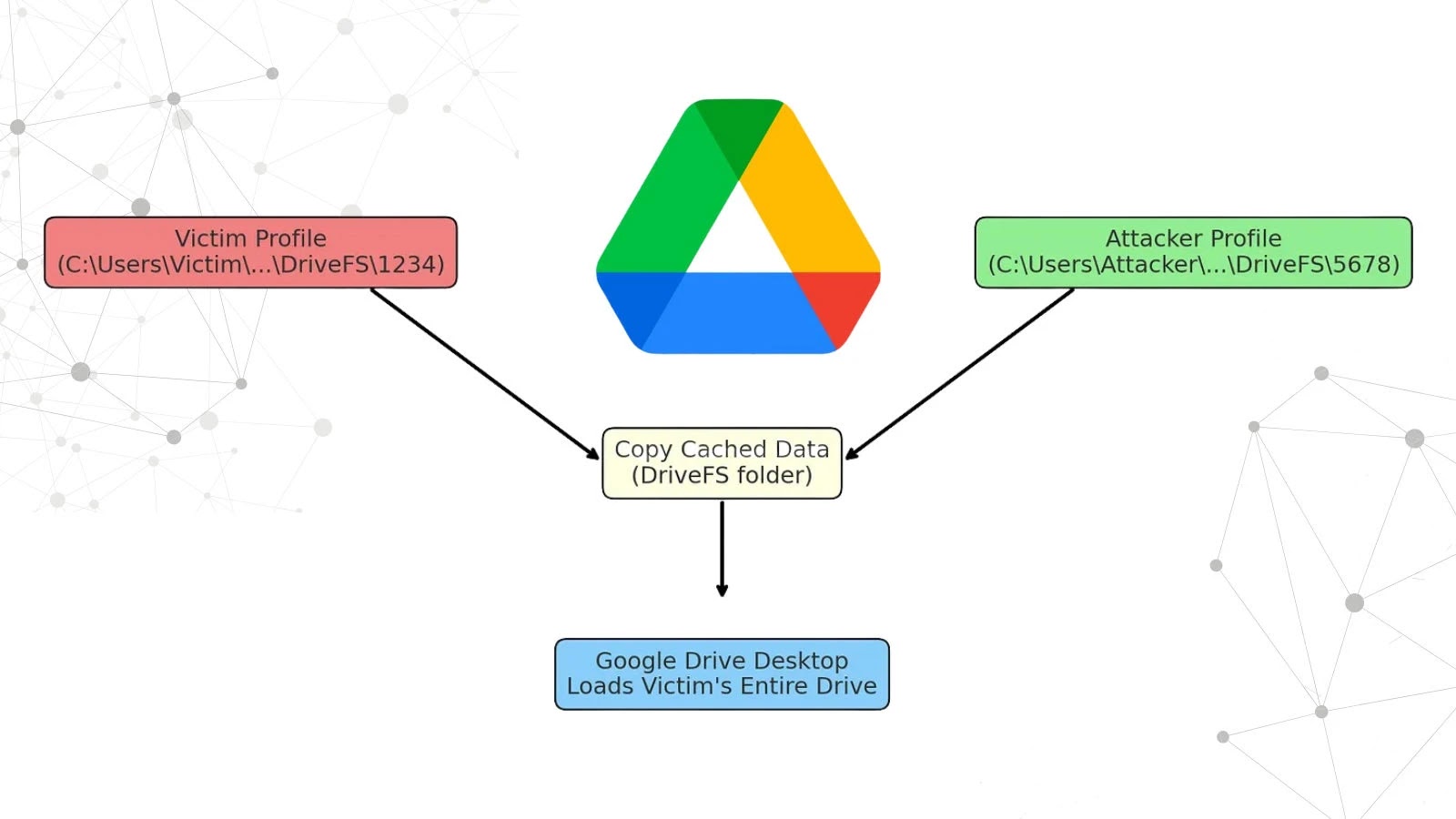
Google Drive Desktop for Windows Vulnerability Grants Full Access to Another User’s Drive Google Drive Desktop for Windows Vulnerability Grants Full Access to Another User’s Drive Cyber Security News
Cloud Misconfigurations The Silent Threat to Data Security Cloud Misconfigurations The Silent Threat to Data Security Cyber Security News
TP-Link Archer Vulnerability Let Attackers Take Control Over the Router TP-Link Archer Vulnerability Let Attackers Take Control Over the Router Cyber Security News
ChatGPT Go Launched for  USD/month With Support for Ads ChatGPT Go Launched for $8 USD/month With Support for Ads Cyber Security News

Categories

  • Cyber Security News
  • How To?
  • Security Week News
  • The Hacker News

Recent Posts

  • Cybercriminals Exploit AI to Distribute macOS Malware
  • Microsoft to Update Windows Secure Boot in 2026
  • Critical SandboxJS Flaw Raises Security Concerns
  • Signs of Concealed Information in Security Management
  • APT36 and SideCopy Target Indian Defense with RATs

Pages

  • About Us – Contact
  • Disclaimer
  • Privacy Policy
  • Terms and Rules

Archives

  • February 2026
  • January 2026
  • December 2025
  • November 2025
  • October 2025
  • September 2025
  • August 2025
  • July 2025
  • June 2025
  • May 2025

Recent Posts

  • Cybercriminals Exploit AI to Distribute macOS Malware
  • Microsoft to Update Windows Secure Boot in 2026
  • Critical SandboxJS Flaw Raises Security Concerns
  • Signs of Concealed Information in Security Management
  • APT36 and SideCopy Target Indian Defense with RATs

Pages

  • About Us – Contact
  • Disclaimer
  • Privacy Policy
  • Terms and Rules

Categories

  • Cyber Security News
  • How To?
  • Security Week News
  • The Hacker News

Copyright © 2026 Cyber Web Spider Blog – News.

Powered by PressBook Masonry Dark