Skip to content
  • Blog Home
  • Cyber Map
  • About Us – Contact
  • Disclaimer
  • Terms and Rules
  • Privacy Policy
Cyber Web Spider Blog – News

Cyber Web Spider Blog – News

Globe Threat Map provides a real-time, interactive 3D visualization of global cyber threats. Monitor DDoS attacks, malware, and hacking attempts with geo-located arcs on a rotating globe. Stay informed with live logs and archive stats.

  • Home
  • Cyber Map
  • Cyber Security News
  • Security Week News
  • The Hacker News
  • How To?
  • Toggle search form
Banking Trojan Anatsa Found in Google Play App

Banking Trojan Anatsa Found in Google Play App

Posted on February 3, 2026 By CWS

Key Points

  • Anatsa malware discovered in a Google Play app.
  • Over 50,000 downloads before detection.
  • Targets banking credentials through sophisticated techniques.

Security experts have uncovered a threatening banking malware known as Anatsa, distributed through the Google Play Store. Before its discovery, this malicious software had been downloaded by over 50,000 users. Its guise as a legitimate document reader app allowed it to bypass user suspicion and infiltrate devices effectively.

Deceptive Distribution Tactics

The Anatsa malware was cleverly disguised as a harmless document reader. This deceptive tactic highlights how cybercriminals continue to exploit trusted platforms like Google Play to spread sophisticated financial threats. By appearing as a legitimate tool, the malware managed to spread widely among Android users.

Once installed, the app functions as a downloader, subsequently deploying the full Anatsa banking trojan. This malware is particularly dangerous as it focuses on stealing banking credentials and sensitive financial information from infected devices.

Security Breach in App Stores

The infiltration of Anatsa through an official app marketplace like Google Play signifies a major breach in security protocols. Users typically trust apps available on such platforms, making them more vulnerable to attacks. This incident underscores the need for stricter app screening processes to prevent similar threats in the future.

Researchers from Zscaler ThreatLabz played a crucial role in identifying and tracking the distribution of this malware. Their analysis linked the malware to banking theft activities, providing essential technical details to help other security teams identify infected devices.

How Anatsa Operates and Communicates

The Anatsa trojan establishes a foothold on Android devices by integrating itself within the operating system. It monitors user activity, particularly interactions with banking apps. Through overlay attacks and credential logging, it captures sensitive information when users access their financial accounts.

Communication with command-and-control servers allows the malware to send stolen data to attackers. This constant connection ensures that compromised devices remain under the control of threat actors, continuously leaking banking information to criminal networks.

Conclusion

The discovery of Anatsa in Google Play highlights critical vulnerabilities in app store security. To protect against such threats, it is crucial for users to routinely check the authenticity of apps, remove suspicious applications, and enable multi-factor authentication on banking accounts.

Frequently Asked Questions

  • What is Anatsa malware? Anatsa is a banking trojan that steals financial credentials and sensitive data from infected Android devices.
  • How did Anatsa spread? It was distributed through a malicious app disguised as a document reader on Google Play, amassing over 50,000 downloads.
  • How can users protect themselves? Users should verify app authenticity, remove suspicious apps, and use multi-factor authentication for banking security.
Cyber Security News Tags:Anatsa, Android threats, app security, app store vulnerabilities, banking malware, Cybercrime, Cybersecurity, Google Play, malware detection, mobile threats, multi-factor authentication, online banking security, ThreatLabz

Post navigation

Previous Post: Firefox Introduces Easy Control to Disable AI Features
Next Post: Critical Hikvision Vulnerability Threatens Wireless Access Points

Related Posts

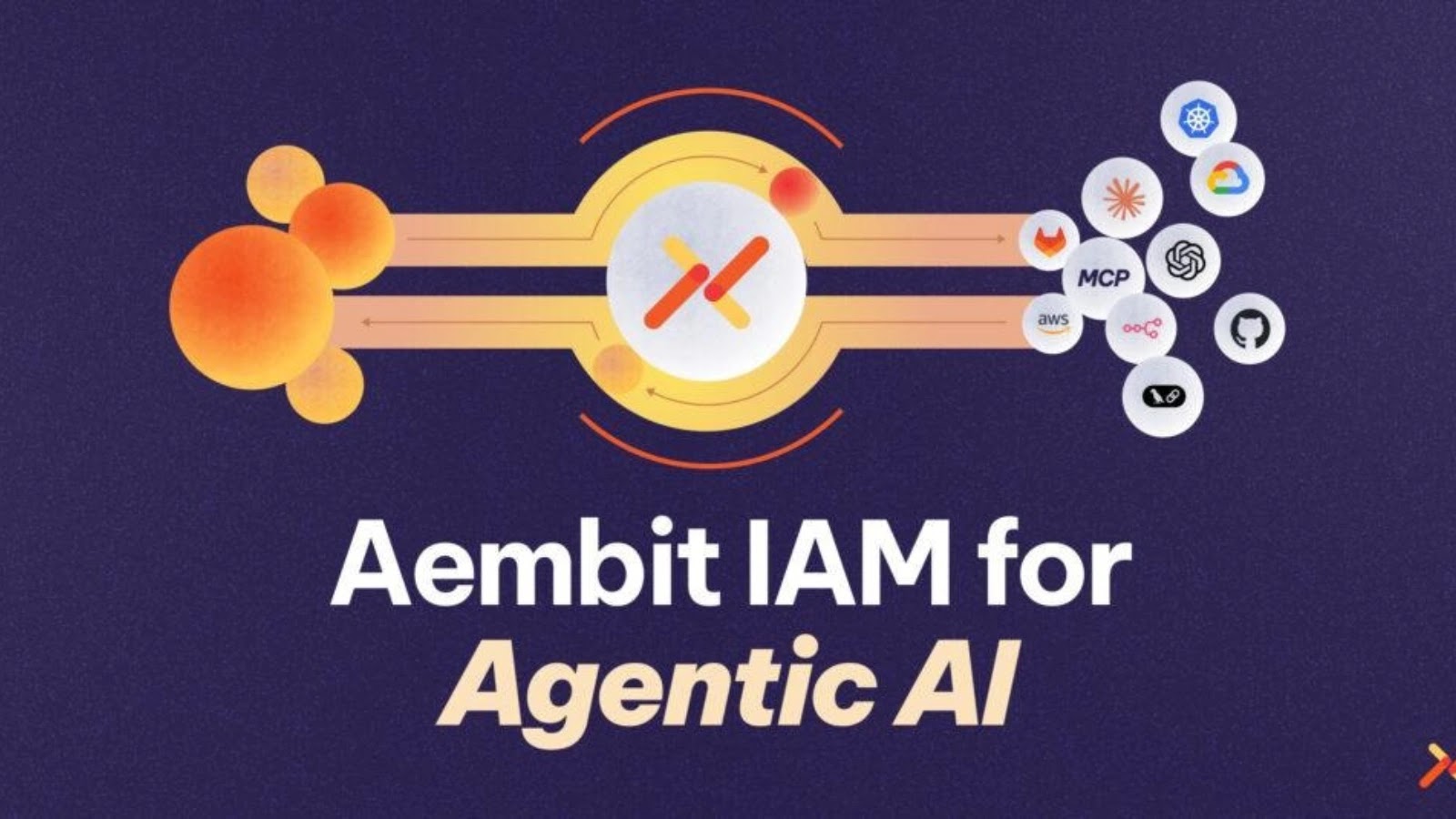
Aembit Introduces Identity and Access Management for Agentic AI Aembit Introduces Identity and Access Management for Agentic AI Cyber Security News
Malware Operators Collaborate With Covert North Korean IT Workers to Attack Corporate Organizations Malware Operators Collaborate With Covert North Korean IT Workers to Attack Corporate Organizations Cyber Security News
BPFDoor and Symbiote Rootkits Attacking Linux Systems Exploiting eBPF Filters BPFDoor and Symbiote Rootkits Attacking Linux Systems Exploiting eBPF Filters Cyber Security News
China-Aligned APT Hackers Exploit Windows Group Policy to Deploy Malware China-Aligned APT Hackers Exploit Windows Group Policy to Deploy Malware Cyber Security News
Infamous BreachForums Is Back Online With All Accounts and Posts Restored Infamous BreachForums Is Back Online With All Accounts and Posts Restored Cyber Security News
AI-Powered Code Editor Cursor IDE Vulnerability Enables Remote Code Without User Interaction AI-Powered Code Editor Cursor IDE Vulnerability Enables Remote Code Without User Interaction Cyber Security News

Categories

  • Cyber Security News
  • How To?
  • Security Week News
  • The Hacker News

Recent Posts

  • Hackers Target React Server Components for Cyber Attacks
  • Microsoft’s Plan to Phase Out NTLM for Enhanced Security
  • Growing Infostealer Threat Targets macOS Using Python
  • GlassWorm Exploits VSX Extensions to Target Developers
  • Advanced PDFly Malware Variant Utilizes Custom Encryption

Pages

  • About Us – Contact
  • Disclaimer
  • Privacy Policy
  • Terms and Rules

Archives

  • February 2026
  • January 2026
  • December 2025
  • November 2025
  • October 2025
  • September 2025
  • August 2025
  • July 2025
  • June 2025
  • May 2025

Recent Posts

  • Hackers Target React Server Components for Cyber Attacks
  • Microsoft’s Plan to Phase Out NTLM for Enhanced Security
  • Growing Infostealer Threat Targets macOS Using Python
  • GlassWorm Exploits VSX Extensions to Target Developers
  • Advanced PDFly Malware Variant Utilizes Custom Encryption

Pages

  • About Us – Contact
  • Disclaimer
  • Privacy Policy
  • Terms and Rules

Categories

  • Cyber Security News
  • How To?
  • Security Week News
  • The Hacker News

Copyright © 2026 Cyber Web Spider Blog – News.

Powered by PressBook Masonry Dark