Skip to content
  • Blog Home
  • Cyber Map
  • About Us – Contact
  • Disclaimer
  • Terms and Rules
  • Privacy Policy
Cyber Web Spider Blog – News

Cyber Web Spider Blog – News

Globe Threat Map provides a real-time, interactive 3D visualization of global cyber threats. Monitor DDoS attacks, malware, and hacking attempts with geo-located arcs on a rotating globe. Stay informed with live logs and archive stats.

  • Home
  • Cyber Map
  • Cyber Security News
  • Security Week News
  • The Hacker News
  • How To?
  • Toggle search form
Critical XSS Flaw in FortiSandbox Enables Remote Attacks

Critical XSS Flaw in FortiSandbox Enables Remote Attacks

Posted on February 10, 2026 By CWS

Fortinet has recently revealed a significant cross-site scripting (XSS) vulnerability within its FortiSandbox platform. Identified as CVE-2025-52436, this flaw can be exploited by unauthenticated attackers to execute arbitrary commands on vulnerable systems, posing a severe threat to network security.

Understanding the XSS Vulnerability

The vulnerability, classified as an ‘Improper Neutralization of Input During Web Page Generation’ issue, resides within the graphical user interface (GUI) component of FortiSandbox. It carries a severity score of 7.9 out of 10, indicating a high risk level. This reflected XSS flaw stems from insufficient sanitization of inputs during web page generation, allowing attackers to inject malicious JavaScript through crafted requests.

This flaw is particularly dangerous because once an unsuspecting user, such as an administrator, interacts with the compromised page, the injected script could be executed. This execution can escalate to remote code execution (RCE), providing attackers with full command-line access to the system. The implications include potential data theft, unauthorized lateral movement within networks, and evasion of sandbox security in malware analysis environments.

Affected FortiSandbox Versions and Recommended Actions

FortiSandbox Platform-as-a-Service (PaaS) deployments are primarily affected by this vulnerability. The impacted versions include:

  • Version 5.0, builds from 5.0.0 to 5.0.1, with an upgrade recommended to version 5.0.2 or higher.
  • Version 4.4, builds from 4.4.0 to 4.4.7, should update to version 4.4.8 or above.
  • Version 4.2 and 4.0, all builds require migration to a fixed release.

Patches have been made available in versions 4.4.8 and 5.0.5. Fortinet strongly advises immediate upgrades to mitigate exposure. In the interim, organizations should consider network segmentation and restrict GUI access to reduce risk.

Implications and Precautionary Measures

This vulnerability was internally identified by Jaguar Perlas of Fortinet’s Burnaby Infosec team, highlighting ongoing concerns about XSS risks in enterprise environments. Even tools like sandboxes, designed to isolate threats, are not immune to such vulnerabilities.

Enterprises involved in malware scanning or handling sensitive information should prioritize patching to prevent potential command-and-control attacks. Although no exploitation attempts have been reported, the vulnerability’s unauthenticated nature necessitates heightened vigilance.

For continuous updates on cybersecurity threats and solutions, follow our channels on Google News, LinkedIn, and X. For inquiries or feature stories, please reach out to us directly.
Cyber Security News Tags:cross-site scripting, cyber threat, Cybersecurity, enterprise security, Fortinet, FortiSandbox, network security, remote code execution, software patch, XSS vulnerability

Post navigation

Previous Post: Microsoft Addresses Six Zero-Day Vulnerabilities in February 2026 Update
Next Post: Vega Secures $120M to Enhance Cybersecurity Analytics

Related Posts

NoName057(16)’s Hackers Attacked 3,700 Unique Devices Over Last Thirteen Months NoName057(16)’s Hackers Attacked 3,700 Unique Devices Over Last Thirteen Months Cyber Security News
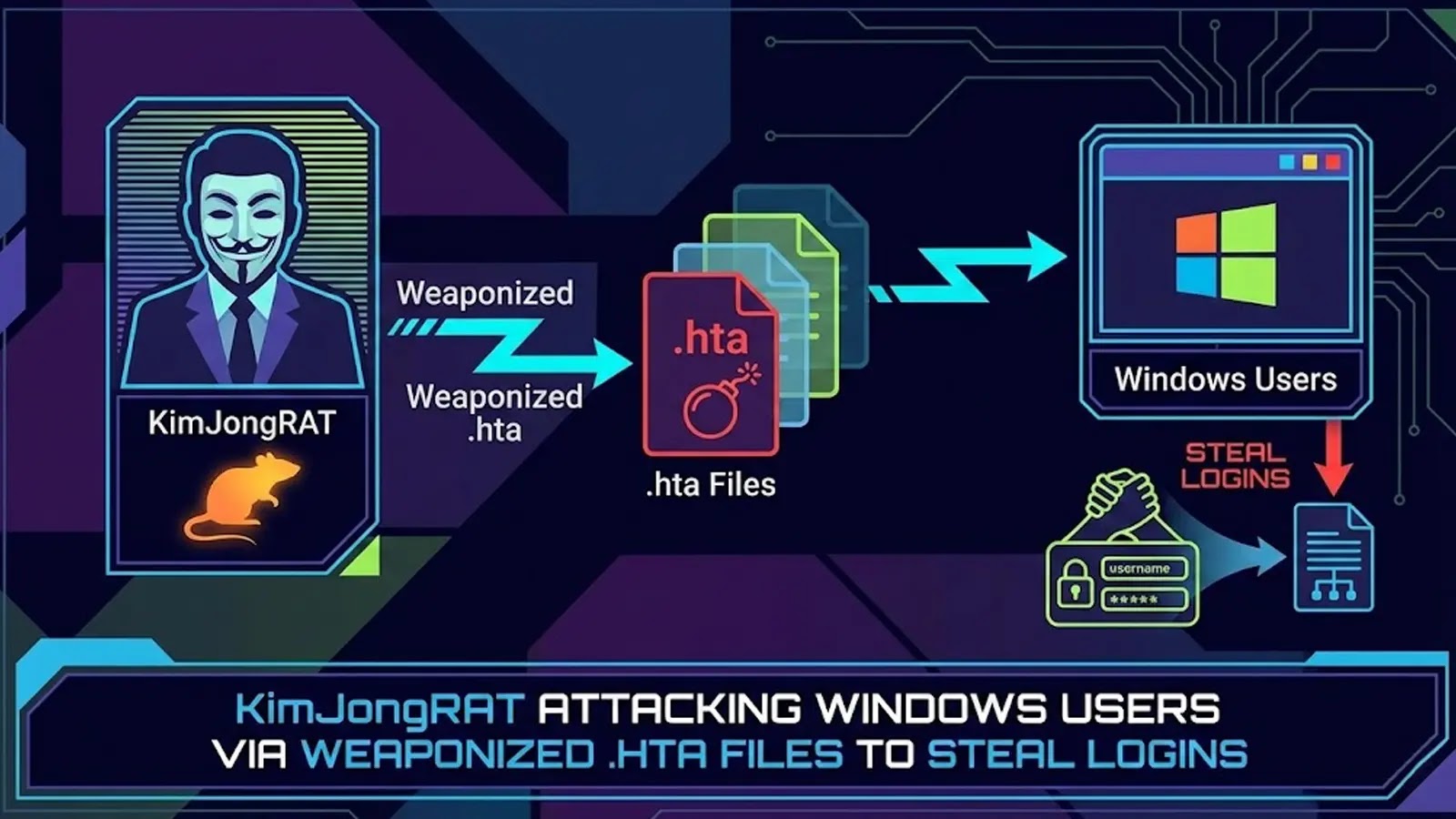
KimJongRAT Attacking Windows Users via Weaponized .hta Files to Steal Logins KimJongRAT Attacking Windows Users via Weaponized .hta Files to Steal Logins Cyber Security News
Securing Multi-Cloud Infrastructures in 2025 Enterprise Deployments Securing Multi-Cloud Infrastructures in 2025 Enterprise Deployments Cyber Security News
CISA Issues ICS Advisories for Rockwell Automation, VMware, and Güralp Seismic Monitoring Systems CISA Issues ICS Advisories for Rockwell Automation, VMware, and Güralp Seismic Monitoring Systems Cyber Security News
PoC Exploit Released for Critical NVIDIA AI Container Toolkit Vulnerability PoC Exploit Released for Critical NVIDIA AI Container Toolkit Vulnerability Cyber Security News
Dolby Digital Plus 0-Click Vulnerability Enables RCE Attack via Malicious Audio on Android Dolby Digital Plus 0-Click Vulnerability Enables RCE Attack via Malicious Audio on Android Cyber Security News

Categories

  • Cyber Security News
  • How To?
  • Security Week News
  • The Hacker News

Recent Posts

  • Critical Windows Notepad Flaw Enables Remote Code Execution
  • Critical RDS Vulnerability Patched Amid Active Exploits
  • TeamPCP’s Cloud Exploitation Transforms Cybercrime
  • Critical React2Shell Vulnerability Under Attack
  • Microsoft 365 Outage Disrupts North American Admin Access

Pages

  • About Us – Contact
  • Disclaimer
  • Privacy Policy
  • Terms and Rules

Archives

  • February 2026
  • January 2026
  • December 2025
  • November 2025
  • October 2025
  • September 2025
  • August 2025
  • July 2025
  • June 2025
  • May 2025

Recent Posts

  • Critical Windows Notepad Flaw Enables Remote Code Execution
  • Critical RDS Vulnerability Patched Amid Active Exploits
  • TeamPCP’s Cloud Exploitation Transforms Cybercrime
  • Critical React2Shell Vulnerability Under Attack
  • Microsoft 365 Outage Disrupts North American Admin Access

Pages

  • About Us – Contact
  • Disclaimer
  • Privacy Policy
  • Terms and Rules

Categories

  • Cyber Security News
  • How To?
  • Security Week News
  • The Hacker News

Copyright © 2026 Cyber Web Spider Blog – News.

Powered by PressBook Masonry Dark