Skip to content
  • Blog Home
  • Cyber Map
  • About Us – Contact
  • Disclaimer
  • Terms and Rules
  • Privacy Policy
Cyber Web Spider Blog – News

Cyber Web Spider Blog – News

Globe Threat Map provides a real-time, interactive 3D visualization of global cyber threats. Monitor DDoS attacks, malware, and hacking attempts with geo-located arcs on a rotating globe. Stay informed with live logs and archive stats.

  • Home
  • Cyber Map
  • Cyber Security News
  • Security Week News
  • The Hacker News
  • How To?
  • Toggle search form
Hackers Exploit Screensavers for Remote Access

Hackers Exploit Screensavers for Remote Access

Posted on February 6, 2026 By CWS

Cybersecurity experts have uncovered a sophisticated method being used by hackers to infiltrate systems through Windows screensaver files. This new technique sees threat actors deploying Remote Monitoring and Management (RMM) tools, allowing them to gain unauthorized remote access while circumventing usual security measures.

Exploiting Trust to Bypass Security

The attackers exploit the trust placed in legitimate software and cloud services to camouflage their malicious operations within normal network traffic, effectively evading detection. This approach begins with spearphishing emails that direct recipients to download files from legitimate cloud storage platforms such as GoFile.

These malicious files are often disguised as business documents, with names like “InvoiceDetails.scr” and “ProjectSummary.scr,” tricking users into believing they are harmless. Analysts at Reliaquest have highlighted this shift towards using business-themed lures to deliver .scr files, noting that many users remain unaware of the executable nature of screensaver files.

Silent Installation of Remote Tools

Upon execution, these screensaver files install legitimate RMM tools like SimpleHelp without raising security alerts. These tools are commonly used for IT support, meaning their presence and the network traffic they generate often go unnoticed by security systems.

This installation grants attackers interactive control over the affected systems, enabling them to steal data, move laterally within the network, or even deploy ransomware attacks.

Challenges in Detection and Prevention

The core challenge of this attack lies in its ability to disguise malicious activities within trusted infrastructure. By using legitimate cloud services and approved RMM software, attackers effectively bypass reputation-based defenses. The .scr format is particularly insidious as it is treated like a portable executable by Windows, yet many organizations do not enforce the same security measures on screensavers as they do on .exe or .msi files.

Once the RMM agent is active, it establishes an encrypted connection to the attackers, often bypassing firewall and intrusion detection systems by mimicking legitimate administrative operations. This ‘living-off-the-land’ strategy reduces the need for custom malware, complicating efforts to distinguish between authorized and unauthorized access.

Strengthening Defense Measures

Organizations must adopt robust security practices to combat this threat. Treating .scr files with the same scrutiny as other executables is crucial. Security teams should restrict or block the execution of screensaver files from user-writable locations, like the Downloads folder, to prevent initial infections.

Maintaining a strict allowlist of approved RMM tools is essential, as well as investigating any unexpected installation of remote management software to swiftly identify and remove unauthorized agents.

Stay updated on cybersecurity trends and protect your systems by following us on Google News, LinkedIn, and X. Consider setting CSN as a preferred source on Google for instant updates.
Cyber Security News Tags:cloud services, Cybersecurity, data breach, IT security, living-off-the-land, Malware, network security, network traffic, Phishing, Ransomware, remote access, RMM tools, screensaver exploit, security operations, SimpleHelp

Post navigation

Previous Post: House Panel Advances Bills to Enhance Energy Cybersecurity
Next Post: Chinese Threat Actor Uses DKnife Implant for Attacks

Related Posts

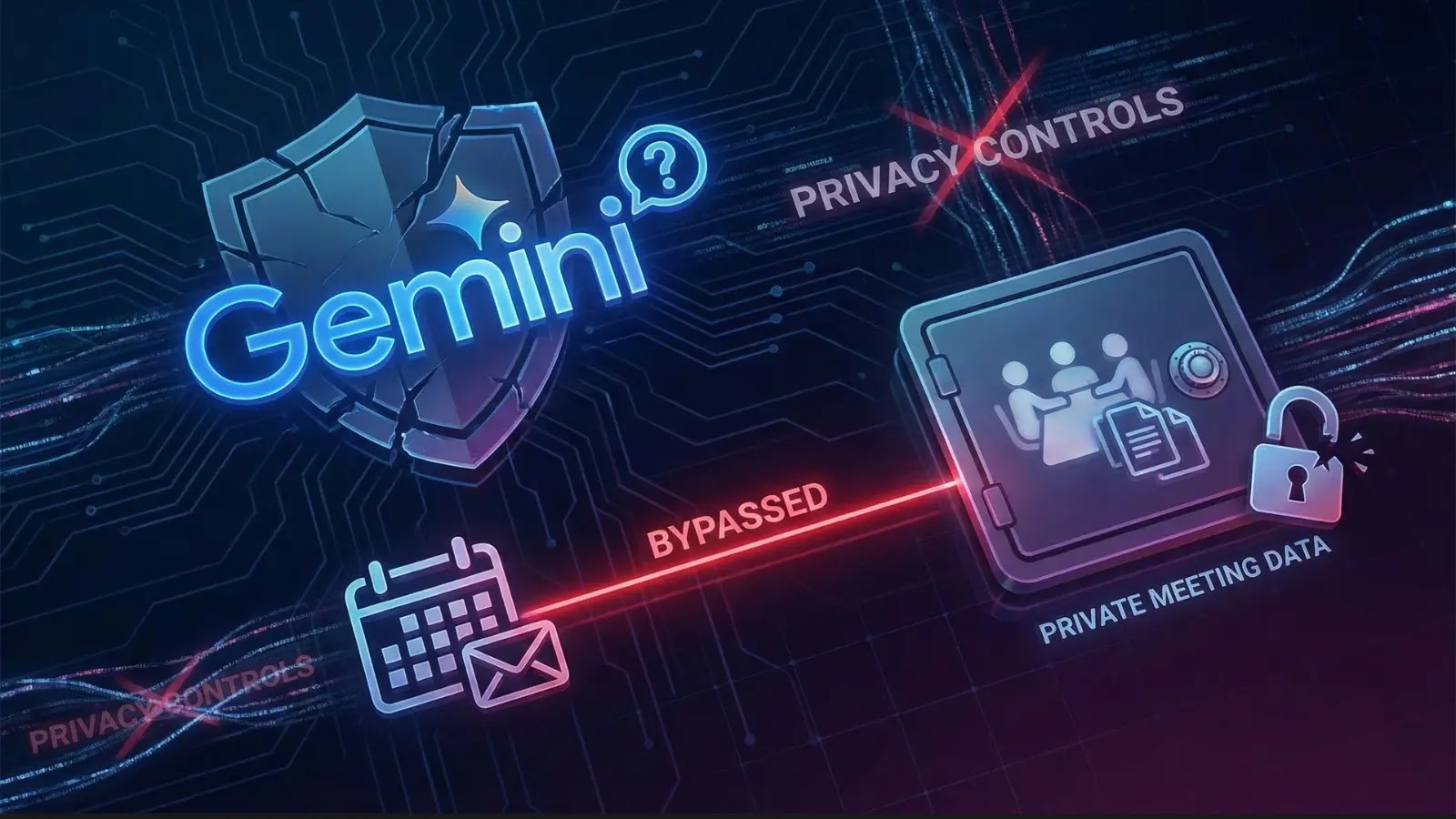
Google Gemini Privacy Controls Bypassed to Access Private Meeting Data Using Calendar Invite Google Gemini Privacy Controls Bypassed to Access Private Meeting Data Using Calendar Invite Cyber Security News
Windows Remote Desktop Services Vulnerability Let Attacker Deny Services Over Network Windows Remote Desktop Services Vulnerability Let Attacker Deny Services Over Network Cyber Security News
40,000+ Cyberattacks Targeting API Environments To Inject Malicious Code 40,000+ Cyberattacks Targeting API Environments To Inject Malicious Code Cyber Security News
SharePoint 0-day Vulnerability Exploited in Wild by All Sorts of Hacker Groups SharePoint 0-day Vulnerability Exploited in Wild by All Sorts of Hacker Groups Cyber Security News
Microsoft 365 Services and Copilot Outage Hits Users in Japan and China Microsoft 365 Services and Copilot Outage Hits Users in Japan and China Cyber Security News
Fortinet FortiSIEM Vulnerability CVE-2025-64155 Actively Exploited in Attacks Fortinet FortiSIEM Vulnerability CVE-2025-64155 Actively Exploited in Attacks Cyber Security News

Categories

  • Cyber Security News
  • How To?
  • Security Week News
  • The Hacker News

Recent Posts

  • dYdX Packages Breached: Wallet Theft and Malware Risks
  • Spam Campaign Utilizes Fake PDFs for Remote Access
  • Chinese Threat Actor Uses DKnife Implant for Attacks
  • Hackers Exploit Screensavers for Remote Access
  • House Panel Advances Bills to Enhance Energy Cybersecurity

Pages

  • About Us – Contact
  • Disclaimer
  • Privacy Policy
  • Terms and Rules

Archives

  • February 2026
  • January 2026
  • December 2025
  • November 2025
  • October 2025
  • September 2025
  • August 2025
  • July 2025
  • June 2025
  • May 2025

Recent Posts

  • dYdX Packages Breached: Wallet Theft and Malware Risks
  • Spam Campaign Utilizes Fake PDFs for Remote Access
  • Chinese Threat Actor Uses DKnife Implant for Attacks
  • Hackers Exploit Screensavers for Remote Access
  • House Panel Advances Bills to Enhance Energy Cybersecurity

Pages

  • About Us – Contact
  • Disclaimer
  • Privacy Policy
  • Terms and Rules

Categories

  • Cyber Security News
  • How To?
  • Security Week News
  • The Hacker News

Copyright © 2026 Cyber Web Spider Blog – News.

Powered by PressBook Masonry Dark