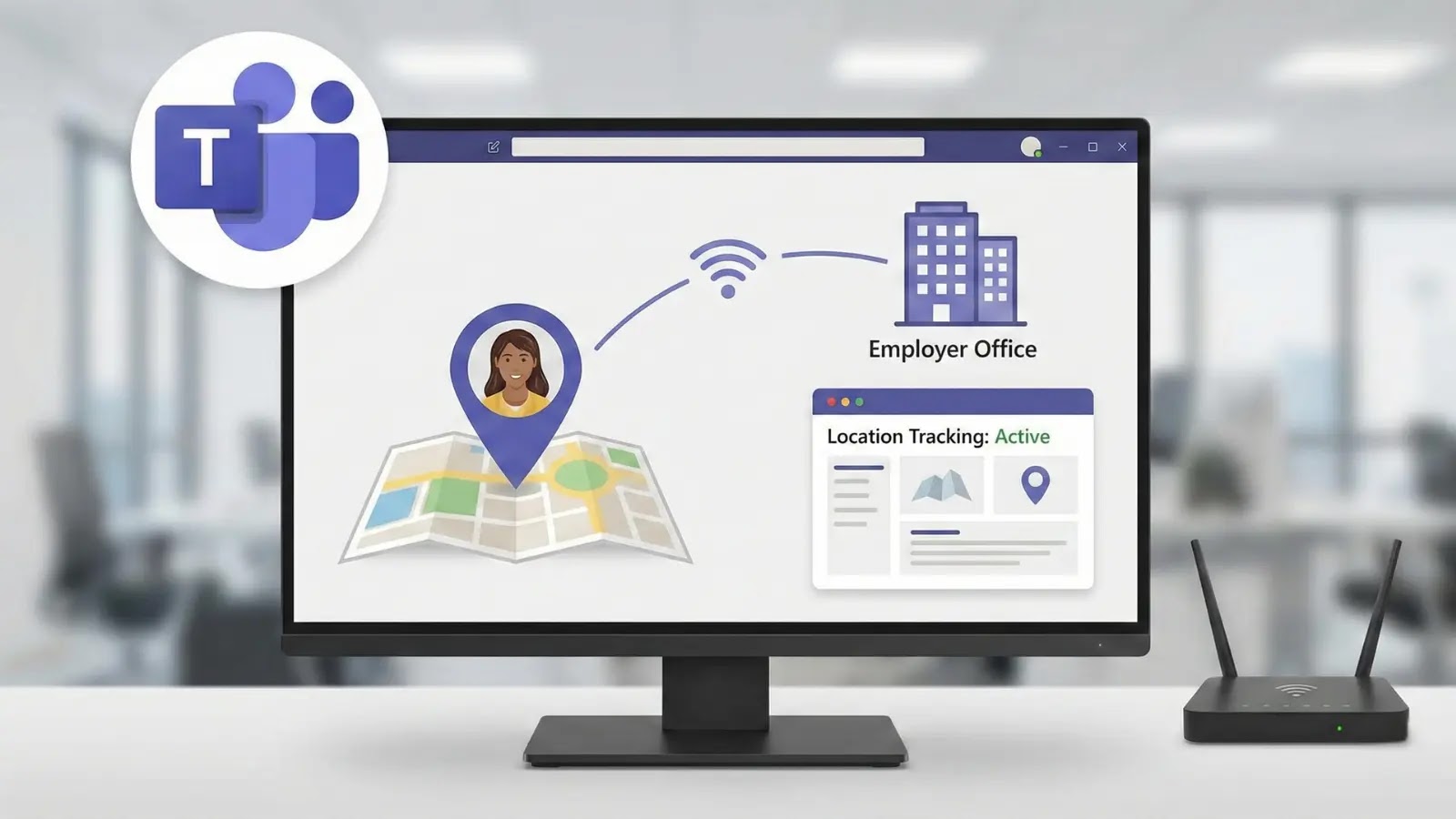
Microsoft is getting ready to deploy a big, probably controversial replace to Microsoft Groups that robotically detects and shows a person’s bodily work location primarily based on the Wi-Fi community they hook up with.
In response to the newest replace on the Microsoft 365 Roadmap (ID 488800), this characteristic is scheduled to start rolling out in March 2026 for Worldwide (Customary Multi-Tenant) cloud cases.
The replace targets each Desktop and Mac platforms, aiming to streamline coordination in hybrid work environments by letting colleagues know precisely which constructing a person is working from.
Roadmap and Rollout Particulars
The characteristic has confronted a number of delays. Initially slated for launch in January 2026 and subsequently pushed to February, the rollout is now confirmed for March.
Microsoft has not supplied a particular technical cause for these postponements, although trade hypothesis suggests the delays could also be linked to the delicate nature of privateness controls and admin configuration necessities.
Launch Abstract:
Characteristic AttributeDetailRoadmap ID488800Feature NameAutomatically replace work location by way of group’s Wi-FiRelease PhaseGeneral AvailabilityRollout StartMarch 2026PlatformsDesktop, MacDefault StateOff by Default (Requires Admin Enablement)
The core performance depends on community identification. When a person connects to a acknowledged organizational Wi-Fi community (SSID), the Groups shopper cross-references the community identifier with location knowledge configured by the tenant administrator.
If a match is discovered, Groups robotically updates the person’s standing to mirror the precise constructing related to that community section.
This automation is designed to take away the friction of manually setting a “Work Location” standing, a characteristic launched beforehand to assist hybrid groups coordinate in-person collaboration.
Recognizing the potential backlash concerning worker surveillance, Microsoft has applied particular guardrails:
Decide-In Mechanism: The characteristic is off by default. Tenant directors should first allow the potential on the organizational degree. Even then, end-users are required to opt-in earlier than their location is robotically shared.
Temporal Limits: Microsoft states that Groups “won’t replace the situation” outdoors of outlined working hours and can robotically clear the situation standing on the finish of the workday.
Nevertheless, the phrasing “require end-users to opt-in” has drawn scrutiny. In enterprise environments, “opt-in” can usually turn into a tender requirement if firm coverage dictates that location visibility is necessary for compliance or attendance monitoring.
The “Large Brother” Controversy
Whereas Microsoft frames this as a comfort device for hybrid coordination, critics and privateness advocates view it as an escalation of office surveillance. The replace gives employers with granular knowledge on workplace attendance with out requiring badge-swipe audits.
This growth follows years of friction between staff and the Groups “Away” standing. Many distant employees have traditionally utilized “mouse jigglers” to forestall Groups from marking them inactive after 5 minutes.
By tying location standing on to the bodily community infrastructure, Microsoft is successfully closing the loop on location ambiguity. If a person just isn’t linked to the company Wi-Fi, the absence of the automated location tag implicitly indicators they’re working remotely.
Because the March 2026 rollout approaches, IT directors ought to put together to configure privateness insurance policies and talk clear pointers to customers concerning how this location knowledge will likely be utilized and saved.
Observe us on Google Information, LinkedIn, and X for day by day cybersecurity updates. Contact us to characteristic your tales.