A newly found ransomware household known as Osiris launched assaults in opposition to a significant meals service firm in Southeast Asia throughout November 2025.
Safety researchers have recognized this risk as a totally new malware variant with no connection to an older ransomware household that shared the identical title in 2016.
The emergence of Osiris marks one other addition to the rising variety of refined encryption threats concentrating on essential infrastructure and enterprise operations.
The assault marketing campaign demonstrates superior ways generally related to skilled risk actors.
Attackers leveraged a various toolkit combining legit system instruments with malicious utilities to infiltrate the sufferer’s community, set up persistence, and deploy the ransomware payload.
The incident reveals how trendy cybercriminals function by abusing on a regular basis Home windows utilities alongside custom-developed malicious software program to keep away from detection and bypass safety controls.
Symantec analysts recognized the malware after discovering suspicious patterns matching beforehand documented Inc ransomware campaigns.
Researchers famous technical overlaps together with an identical filenames for credential extraction instruments and related knowledge exfiltration strategies. The attackers used Rclone to steal knowledge earlier than encryption, importing stolen info to Wasabi cloud storage buckets.
They employed Mimikatz, a widely known software for extracting credentials, particularly utilizing a model named kaz.exe that earlier Inc attackers utilized.
Exploitation of Malicious Drivers and Protection Bypass
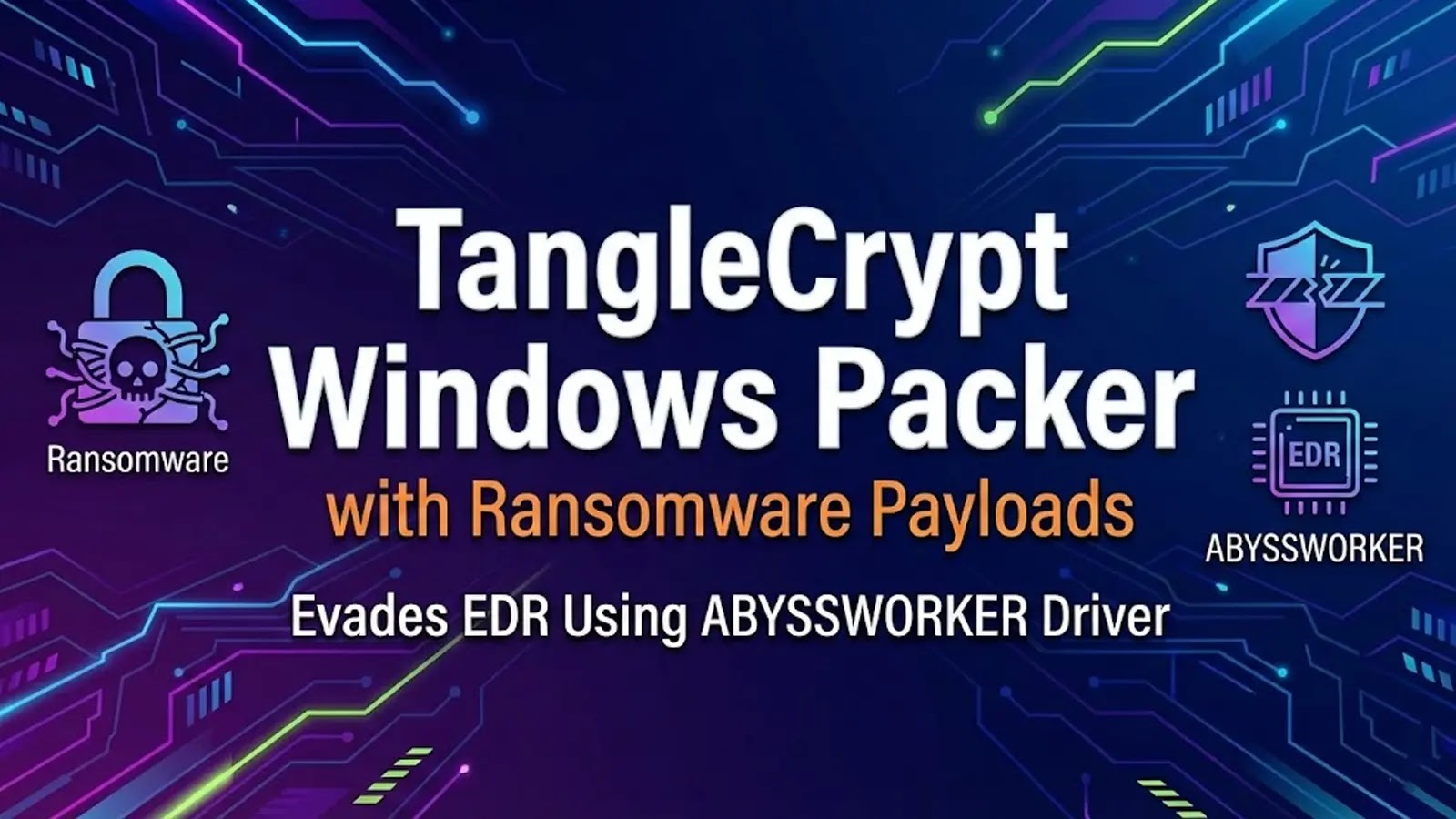
Essentially the most regarding facet of this assault entails the deployment of a malicious driver known as Poortry, also referred to as Abyssworker. This tradition driver pretended to be legit Malwarebytes software program to deceive directors.
Attackers used this driver in what safety specialists name a bring-your-own-vulnerable-driver (BYOVD) assault, enabling them to disable safety software program by exploiting kernel-level entry.
BYOVD assaults have turn out to be the popular approach for ransomware operators searching for to neutralize endpoint defenses.
By deploying signed susceptible drivers, attackers can escalate privileges and terminate safety processes with out elevating instant suspicion.
Poortry stands out as a result of attackers developed this driver themselves reasonably than counting on present susceptible code, suggesting sophistication throughout the risk group.
The attackers additionally deployed extra instruments together with Netexec, Netscan, and a modified model of Rustdesk distant administration software program disguised as WinZip to take care of community entry.
Osiris itself encrypts information utilizing superior hybrid encryption combining ECC and AES-128-CTR, with distinctive keys for every encrypted file.
The ransomware terminates databases and backup providers whereas deleting quantity snapshots to stop restoration. These technical capabilities, mixed with the delicate assault chain, point out skilled operators behind this new risk household.
Observe us on Google Information, LinkedIn, and X to Get Extra Instantaneous Updates, Set CSN as a Most well-liked Supply in Google.