A classy new phishing marketing campaign has emerged, leveraging the trusted infrastructure of Google Cloud companies to bypass safety filters and steal delicate Microsoft 365 login credentials.
By abusing reliable workflow automation instruments, menace actors are crafting convincing assaults that mix seamlessly with genuine communications, making detection more and more tough for each automated programs and end-users.
This marketing campaign particularly targets organizations counting on cloud-based collaboration platforms, exploiting the interoperability between main service suppliers to facilitate credential harvesting on an enormous scale.
The core of this assault includes the exploitation of Google Cloud Software Integration, a service designed for automating enterprise processes.
Attackers make the most of the “Ship E-mail” function inside this platform to generate phishing emails that seem to originate from a real Google deal with: noreply-application-integration@google[.]com.
As a result of these emails come from a verified Google area and make the most of a point-and-click configuration system, they simply evade normal spam filters and leverage the inherent belief related to the tech big’s infrastructure to deceive targets.
Malwarebytes researchers recognized that this methodology considerably lowers the barrier to entry for cybercriminals, particularly since new Google Cloud clients at the moment obtain free credit which attackers abuse.
The impression of this marketing campaign is extreme, because it exposes vital company credentials to theft. As soon as the preliminary electronic mail is delivered, unsuspecting customers are offered with what seems to be a routine notification, corresponding to a voicemail alert or a doc permission request, additional legitimizing the malicious correspondence.
The An infection Mechanism
The assault employs a intelligent multi-stage an infection mechanism to evade detection. When a sufferer clicks the hyperlink within the phishing electronic mail, they don’t seem to be instantly taken to a malicious web site.
As an alternative, they’re directed to a reliable Google Cloud Storage URL, which reinforces the phantasm of security.
From there, the consumer is redirected to a different Google-owned area, googleusercontent[.]com, which shows a CAPTCHA or “I’m not a robotic” picture verify.
This intermediate step serves two vital functions: it efficiently filters out automated safety crawlers which may flag the phishing web site and psychologically primes the sufferer to conform.
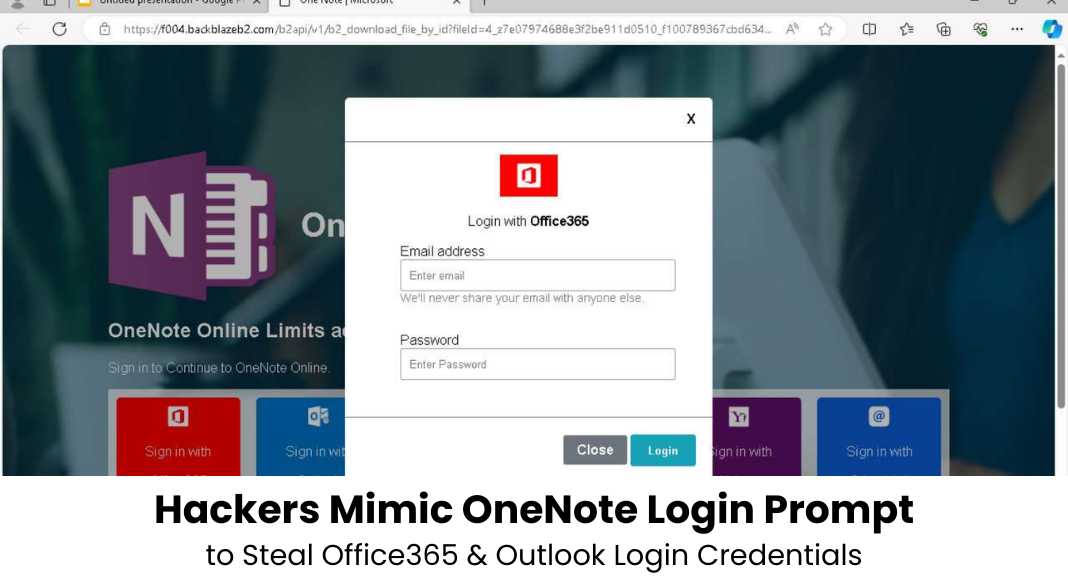
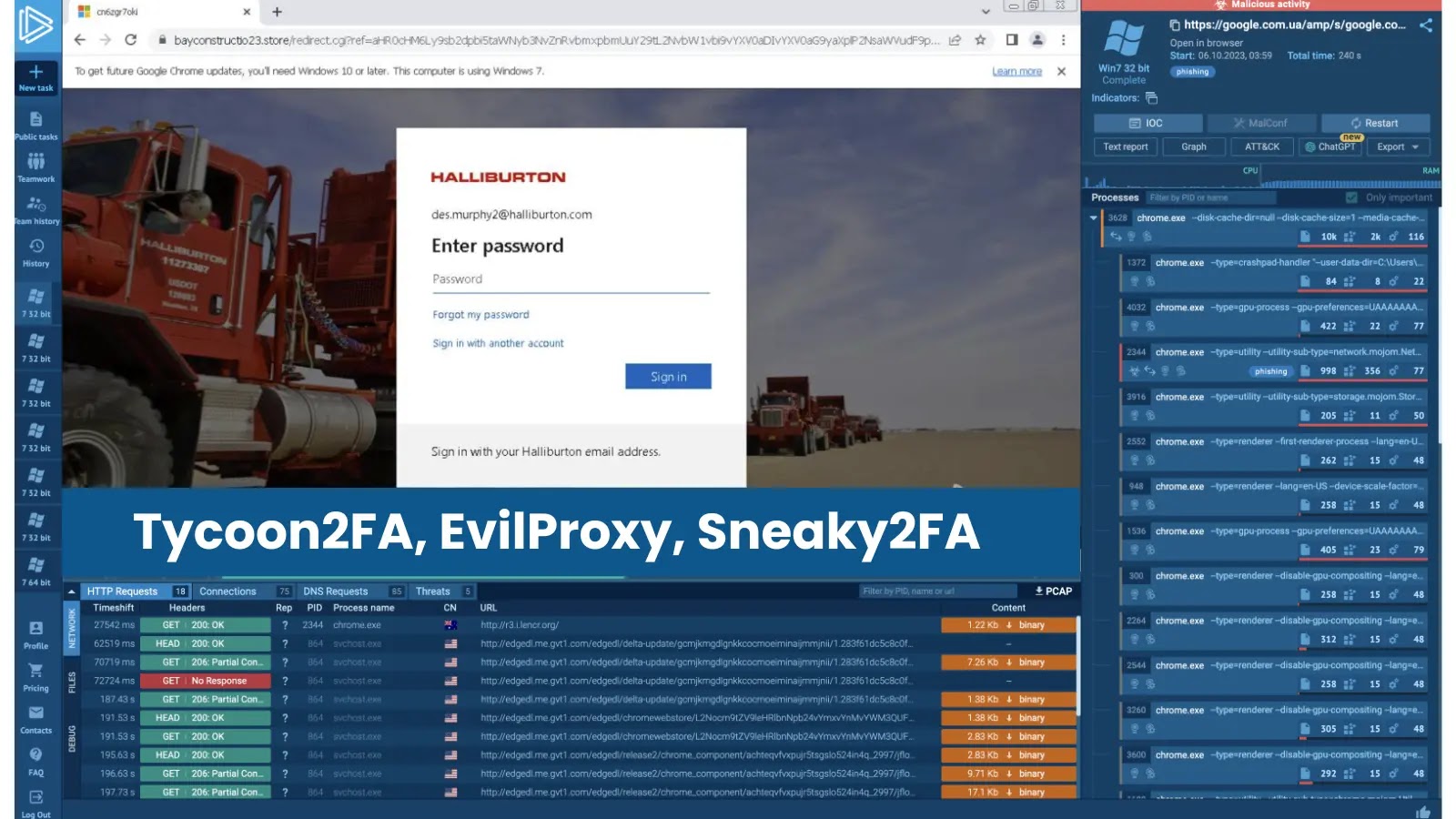
Upon passing the verify, the goal is lastly redirected to a fraudulent Microsoft 365 sign-in web page designed to seize usernames and passwords. Though this web page visually mimics the official portal, an in depth inspection of the net deal with reveals its malicious nature.
Google has acknowledged this abuse and acknowledged that they’ve blocked a number of related campaigns, clarifying that this exercise stems from the misuse of a workflow automation software relatively than a compromise of their infrastructure.
Safety professionals are suggested to examine URLs rigorously, as the ultimate touchdown web page is hosted on non-official domains, and to implement strong multi-factor authentication to guard consumer accounts.
Observe us on Google Information, LinkedIn, and X to Get Extra Immediate Updates, Set CSN as a Most popular Supply in Google.