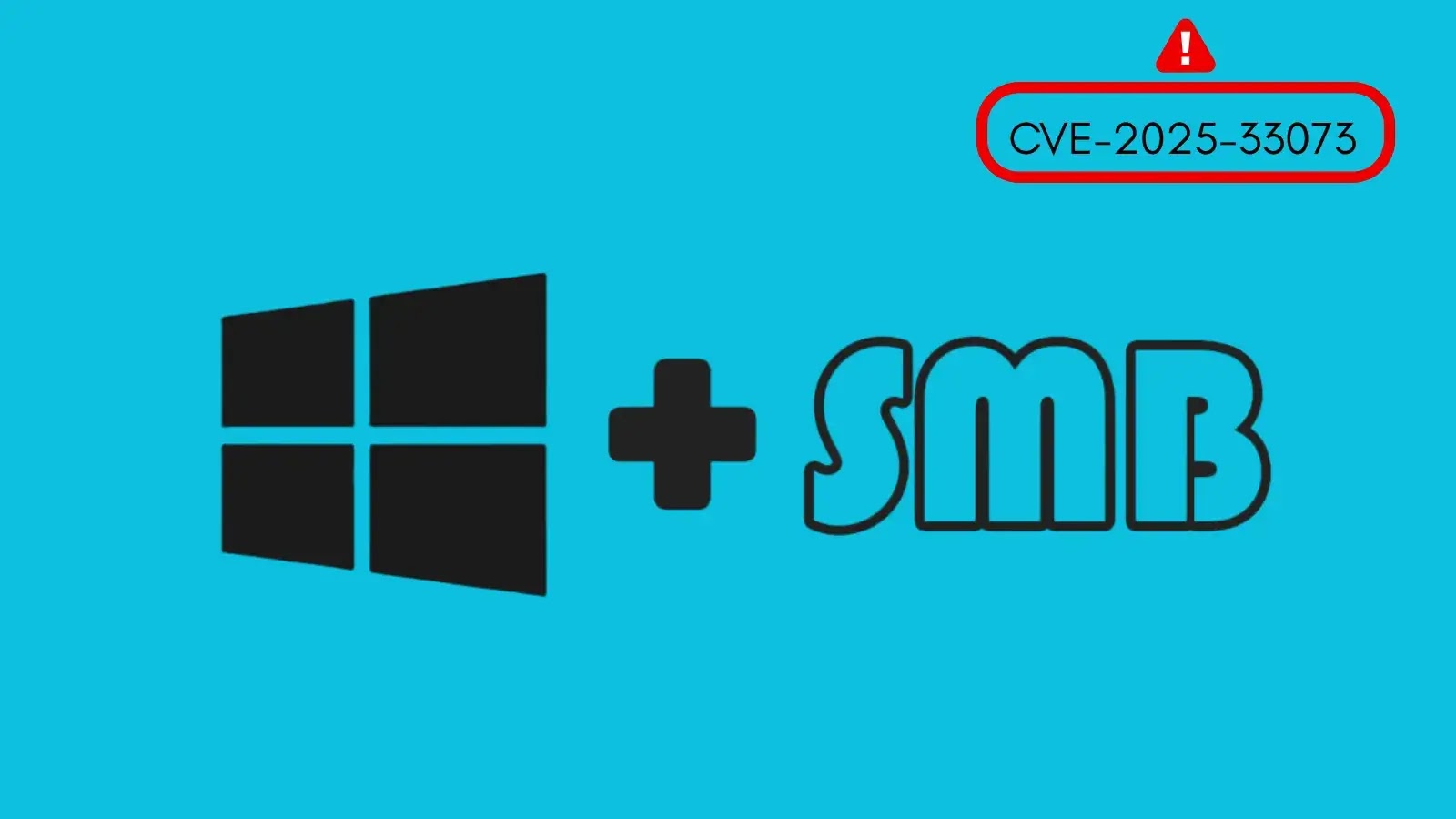
A crucial vulnerability in Home windows SMB shopper authentication that permits attackers to compromise Energetic Listing environments by means of NTLM reflection exploitation.
Labeled as an improper entry management vulnerability, this vulnerability permits licensed attackers to escalate privileges through rigorously orchestrated authentication relay assaults over community connections.
Seven months after the June 2025 safety patch launch, analysis reveals widespread non-adoption throughout enterprise infrastructure.
Weak hosts are recognized on almost each penetration take a look at engagement throughout area controllers, tier-zero servers, and workstations. The vulnerability exploits a basic mechanism in Home windows NTLM native authentication.
Profitable SMB Relay With Flaw
When a shopper receives an NTLM_CHALLENGE message marked for native authentication, the system creates a context object and inserts a context ID into the Reserved subject.
This mechanism, mixed with coercion methods akin to PetitPotam, DFSCoerce, and Printerbug, forces lsass.exe (operating as SYSTEM) to authenticate to attacker-controlled servers.
AspectDetailsCVE IdentifierCVE-2025-33073Vulnerability TypeNTLM Reflection / Privilege EscalationAttack VectorNetwork (Coercion + Authentication Relay)Patch ReleaseJune 2025 Home windows UpdatesPrimary ImpactComplete Energetic Listing CompromiseCurrent StatusWidely unpatched in enterprise environments
The server then impersonates the SYSTEM token for subsequent operations, successfully granting full system compromise.
Assault Necessities and Exploitation Pathways
Exploitation requires both registering a malicious DNS document in AD DNS (allowed for Authenticated Customers by default) or performing DNS poisoning throughout the native community.
Profitable SMB LDAPS Reflection (Supply: DepthSecurity)
These low-privilege necessities essentially improve the assault floor, as most organizations haven’t restricted Authenticated Customers from creating arbitrary DNS data in AD DNS zones.
Conventional mitigations show inadequate in opposition to superior exploitation vectors.
Whereas SMB signing usually prevents relay assaults, analysis demonstrates profitable cross-protocol relays from SMB to LDAPS with signing and channel binding enforced.
This bypass includes stripping particular NTLMSSP flags (Negotiate At all times Signal, Negotiate Seal, Negotiate Signal) whereas preserving the Message Integrity Code. This method permits attackers to bypass a number of safety controls concurrently.
Expanded Assault Floor Past SMB Signing
The vulnerability extends past standard SMB-to-SMB relays. DepthSecurity researchers confirmed profitable assaults in opposition to ADCS enrollment providers, MSSQL databases, and WinRMS by means of cross-protocol relay methods.
Much more regarding, SMB-to-LDAPS reflection assaults enable attackers to control Energetic Listing objects with SYSTEM privileges instantly.
Enabling group membership modification and credential harvesting by means of DCSync operations.
RPC-based relay makes an attempt revealed session key encryption necessities just like these of SMB signing, demonstrating that basic Home windows authentication mechanisms compound the vulnerability’s influence.
RPC Reflection Authentication (Supply: DepthSecurity)
Attackers efficiently authenticate to RPC providers however encounter entry controls on subsequent operations, suggesting potential avenues for exploitation through Web-NTLMv1 authentication.
In accordance with DepthSecurity, organizations should instantly apply June 2025 Home windows safety updates as the first mitigation. Moreover, allow signing and channel binding enforcement throughout all protocols, not restricted to SMB.
SMB Relay with Signing (Supply: DepthSecurity)
Reconfiguring Energetic Listing DNS zone entry management lists to limit Authenticated Customers from creating DNS data considerably reduces the feasibility of exploitation.
Safety groups should prioritize the swift patching of NTLM coercion methods and carry out thorough audits of NTLM relay assault strategies all through their infrastructure.
Observe us on Google Information, LinkedIn, and X for every day cybersecurity updates. Contact us to function your tales.