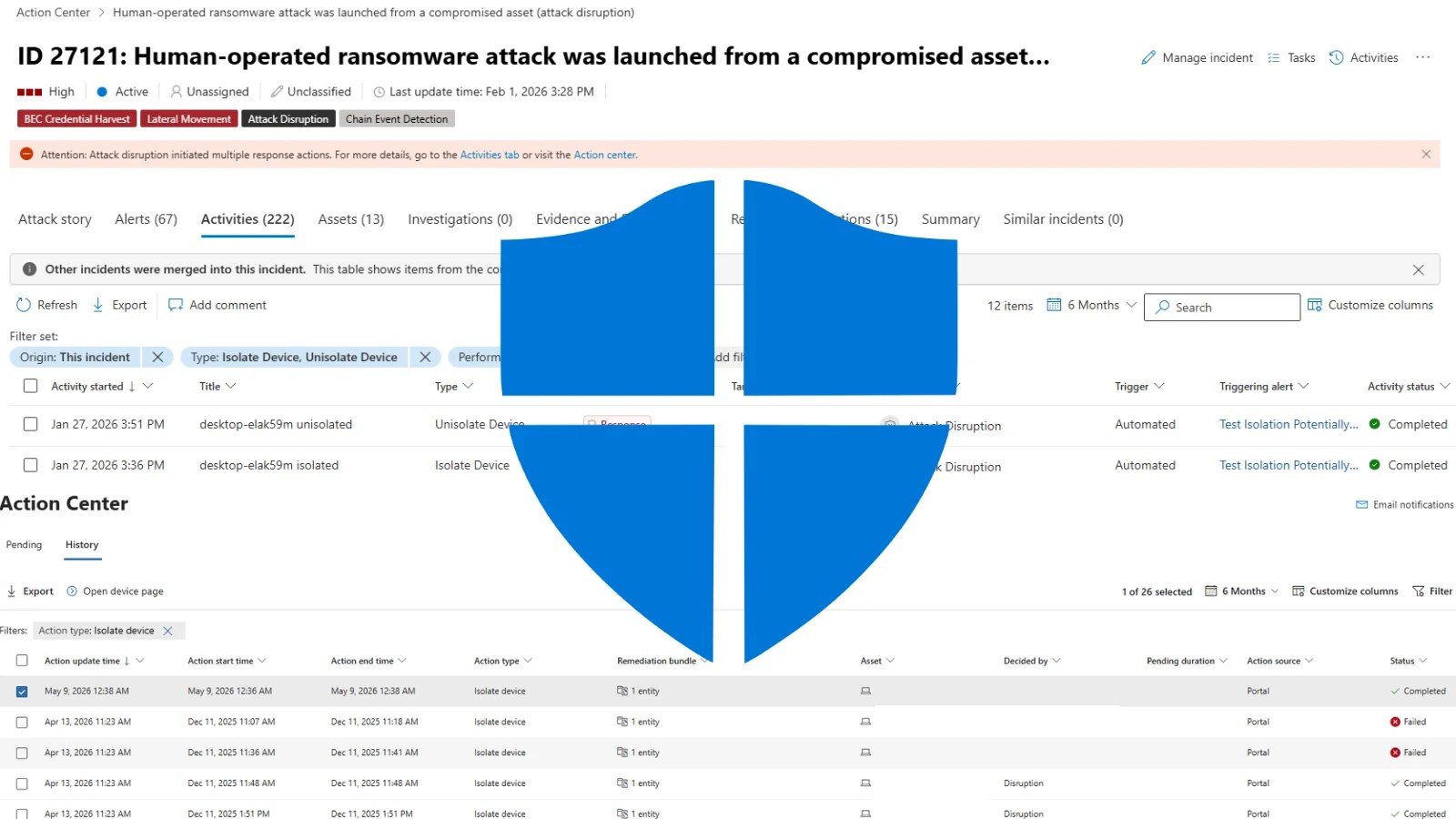
Ensuring robust cybersecurity is a pressing concern for organizations worldwide. Despite having advanced security measures like perimeter firewalls and endpoint detection and response (EDR) systems, companies remain vulnerable to cyber threats. These defenses alone cannot entirely eliminate risk, and a breach can occur unexpectedly, leading to significant repercussions.
Understanding the Dynamics of Cyber Incidents
Cyber incidents today are characterized by rapid progression. A minor security breach can quickly escalate as attackers gain access, move laterally within the network, escalate privileges, and exfiltrate sensitive data. This swift escalation often results in regulatory disclosures and emergency board meetings, culminating in public breach notifications.
The challenge lies not in the lack of effort but in the timing and intelligence. The average dwell time of undetected breaches is still measured in days, with costs escalating into millions. In 2026, CISOs face the paradox of expanding security budgets against a faster-growing threat surface, creating more noise and less clarity on actionable threats.
The Role of Threat Intelligence in Cyber Defense
Effective threat intelligence shifts the focus from detection to prevention, offering a cost-effective defense layer. Investments in EDR, XDR, and advanced incident response (IR) solutions, while essential, often address threats post-entry. In contrast, threat intelligence provides early warning by identifying indicators and tactics, techniques, and procedures (TTPs) before they infiltrate the environment.
Implementing threat intelligence reduces investigation times and prevents redundant efforts. It scales efficiently without necessitating a proportional increase in SOC headcount by enhancing existing security systems with high-quality, automated data feeds.
Attributes of Effective Threat Intelligence
For threat intelligence to be truly effective, it must be fresh, actionable, noise-free, and context-enriched. Fresh intelligence keeps pace with the ever-evolving threat landscape, reducing the window of exposure. Actionable data translates directly into defensive measures, while noise-free intelligence minimizes false positives, improving SOC efficiency.
Contextual information provides a comprehensive view, linking indicators to real-world behavior and adversary campaigns. This approach enables better prioritization, decision-making, and strategic risk assessment, significantly enhancing the organization’s overall security posture.
Future-Proofing Cybersecurity with Proactive Strategies
Organizations that integrate threat intelligence as an operational asset, rather than a supplementary tool, are better positioned to lead in cybersecurity. Real-time, actionable, and context-rich intelligence feeds enhance existing security investments, offering substantial cost savings compared to post-incident recovery.
ANY.RUN exemplifies this approach by providing continuously updated threat intelligence feeds derived from live malware detonation and global threat research. These feeds integrate seamlessly into existing security infrastructures, ensuring timely and effective threat response without increasing operational overhead.
In conclusion, as the cybersecurity landscape continues to evolve, prevention through actionable threat intelligence becomes not just a strategy but a necessity. By investing in intelligence that enables earlier detection and faster containment, organizations can protect themselves more effectively and economically.