In the realm of cybersecurity, managing alert overload is a significant challenge, especially when false positives consume valuable resources. Security Operations Centers (SOCs) often struggle with the sheer volume of alerts, many of which do not represent actual threats. Thus, improving the quality of alert generation through effective threat intelligence is crucial for maintaining operational efficiency and protecting against genuine threats.
The Challenge of Alert Overload
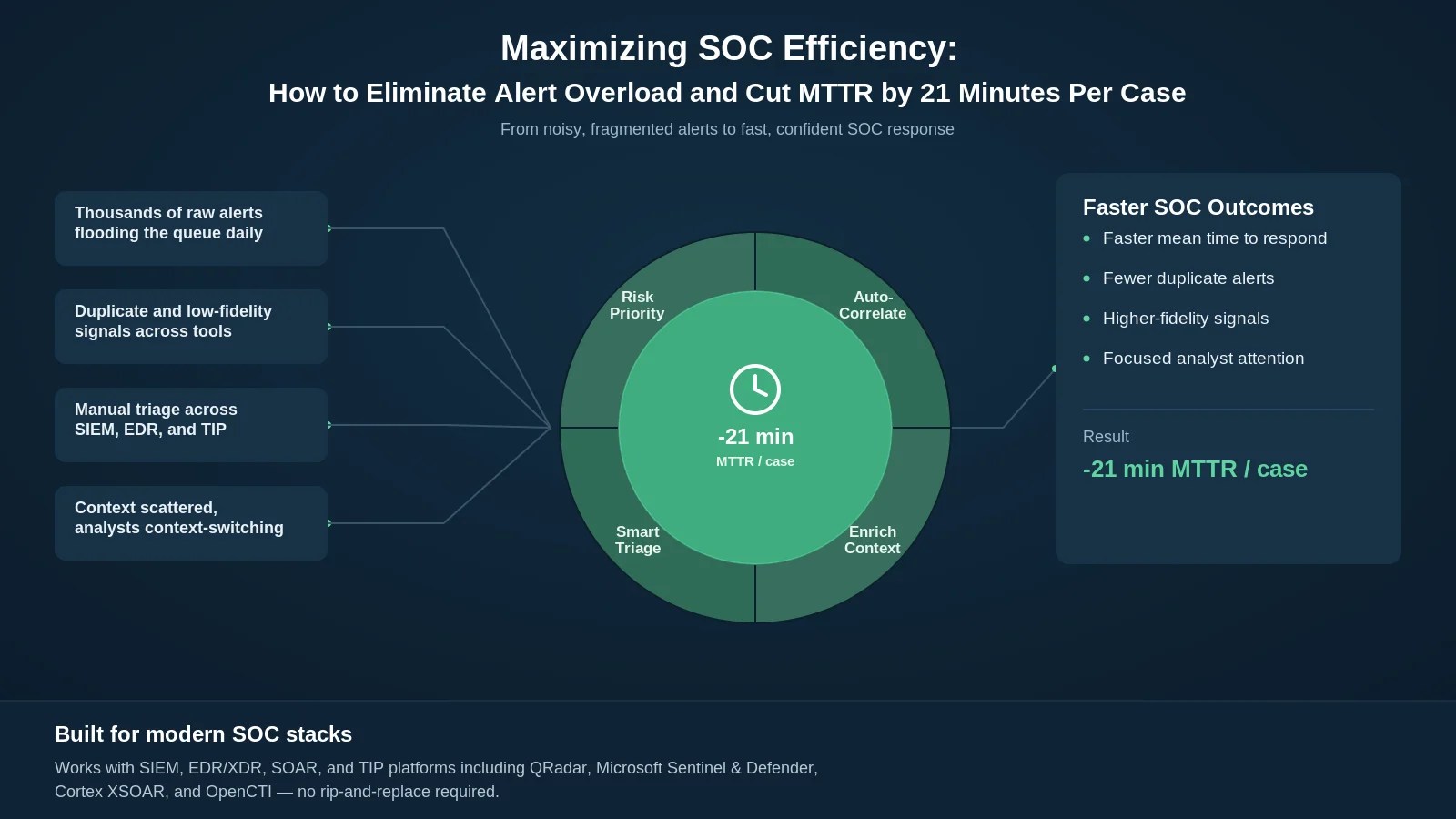
Alert overload is a pressing issue for SOCs that handle numerous alerts daily. Even with a small percentage of false positives, the cumulative effect can lead to significant inefficiencies. Analysts often face alert fatigue, where constant notifications desensitize them to potential threats, leading to reduced investigation depth and increased burnout. This is particularly concerning in environments with high turnover among Tier 1 and Tier 2 analysts.
Despite having ample staffing resources, merely increasing the number of analysts does not solve the problem. Instead, it results in higher operational costs without enhancing detection outcomes. The real solution lies in refining the quality of alerts, which begins with the caliber of threat intelligence integrated into detection systems.
Leveraging Threat Intelligence
High-quality threat intelligence is pivotal in transforming the detection pipeline. It provides the necessary context to distinguish between benign and malicious activities, thereby reducing false positives. Effective threat intelligence comprises fresh indicators of compromise (IOCs), behavioral signatures, and contextual data, significantly influencing the accuracy and reliability of alerts.
For instance, ANY.RUN’s Threat Intelligence Feeds offer continuously updated data drawn from a vast array of security analysts and SOC teams. This data is validated through interactive sandbox environments, ensuring that it reflects current threat landscapes and not obsolete information. Such feeds allow for a more nuanced understanding of threat behavior and attribution, providing analysts with a comprehensive starting point for investigations.
Benefits of High-Quality Data
Integrating high-quality threat intelligence into SOC workflows offers several advantages. It reduces the likelihood of false positives by ensuring that only indicators confirmed as malicious trigger alerts. This precision allows analysts to focus on real threats, thereby reducing cognitive load and improving response times.
Moreover, the contextual enrichment of alerts accelerates triage processes, as analysts have immediate access to detailed information about threats. This not only saves time but also restores trust in detection systems, reducing alert fatigue and ensuring that critical threats receive the necessary attention.
Conclusion: Enhancing SOC Performance
Addressing alert overload through improved threat intelligence is essential for SOCs aiming to enhance their performance. By focusing on data quality rather than quantity, organizations can significantly reduce false positives and streamline their detection processes. ANY.RUN’s Threat Intelligence Feeds exemplify this approach by providing actionable, context-rich intelligence that empowers analysts to make informed decisions quickly.
Ultimately, the path to reducing alert overload involves raising the quality of threat intelligence inputs. This strategic emphasis not only minimizes false positives but also bolsters the overall effectiveness and efficiency of security operations.