An Armenian national, Hambardzum Minasyan, has been extradited to the United States to face charges related to his alleged involvement in administering the RedLine malware. This extradition marks a significant development in the ongoing efforts to combat cybercrime.
Minasyan’s Court Appearance and Charges
Minasyan had his initial court appearance in Texas, according to the US Justice Department. Authorities accuse him of maintaining the infrastructure for the RedLine infostealer, which includes managing command-and-control servers and handling payments from affiliates. Furthermore, he is said to have dealt with support requests from these affiliates.
The indictment claims Minasyan registered two virtual private servers and two internet domains to support RedLine’s operations. Additionally, he allegedly set up repositories on a file-sharing site for distributing the malware. In November 2021, he purportedly opened a cryptocurrency account to process payments related to RedLine activities.
Legal Consequences and Implications
Minasyan is charged with conspiracy to commit access device fraud, money laundering, and violating the Computer Fraud and Abuse Act (CFAA). If convicted, he could face a maximum of 10 years in prison for access device fraud and up to 20 years for the other charges. These potential penalties underscore the seriousness of the accusations against him.
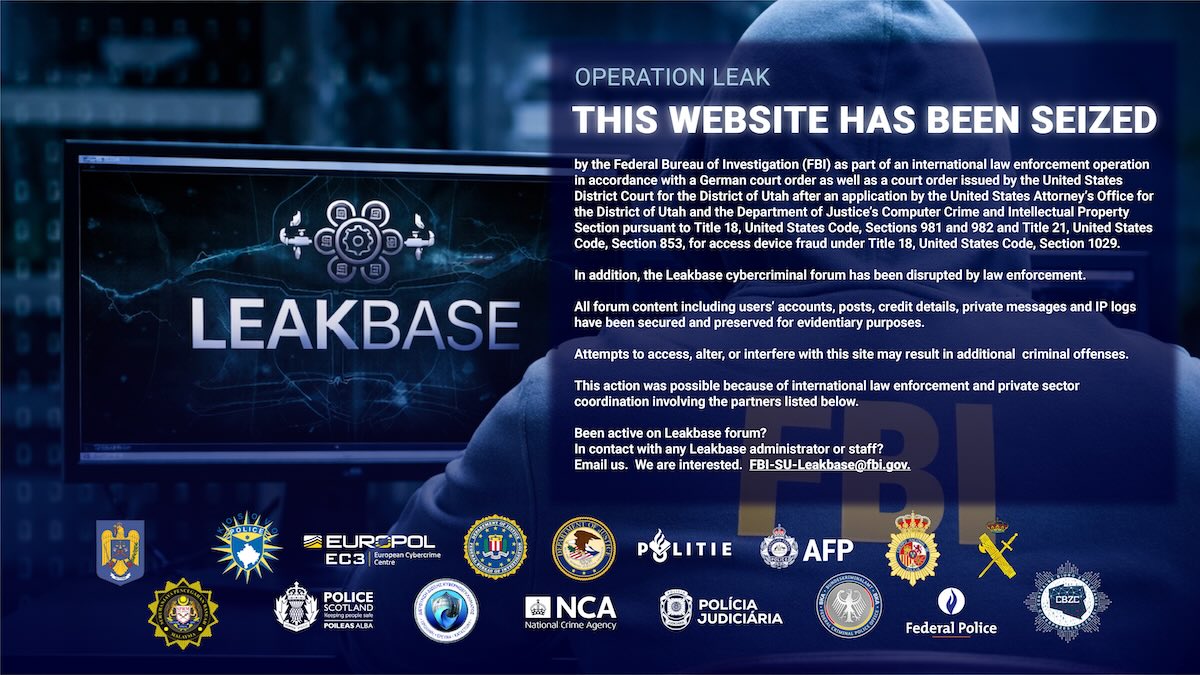
RedLine, a notorious infostealer, is offered as a malware-as-a-service, allowing criminals to extract sensitive data such as browser credentials and cryptocurrency wallet information. Despite international law enforcement efforts to dismantle it in October 2024, RedLine remains a prevalent threat.
Ongoing Threat and Law Enforcement Efforts
Emerging in 2020, RedLine continues to be a significant concern for cybersecurity professionals. In 2025, the US Department of State offered a $10 million reward for information leading to the capture of Maxim Alexandrovich Rudometov, believed to be a key figure behind RedLine. Rudometov is reportedly residing in Russia after leaving Ukraine in 2022.
The extradition of Minasyan highlights ongoing international cooperation to curb cybercrime. As authorities continue their investigations, the focus remains on dismantling networks that facilitate the proliferation of malware like RedLine.
This case serves as a reminder of the evolving nature of cyber threats and the importance of global collaboration in addressing these challenges. With continued efforts, law enforcement agencies aim to reduce the impact of such malicious activities on individuals and organizations worldwide.