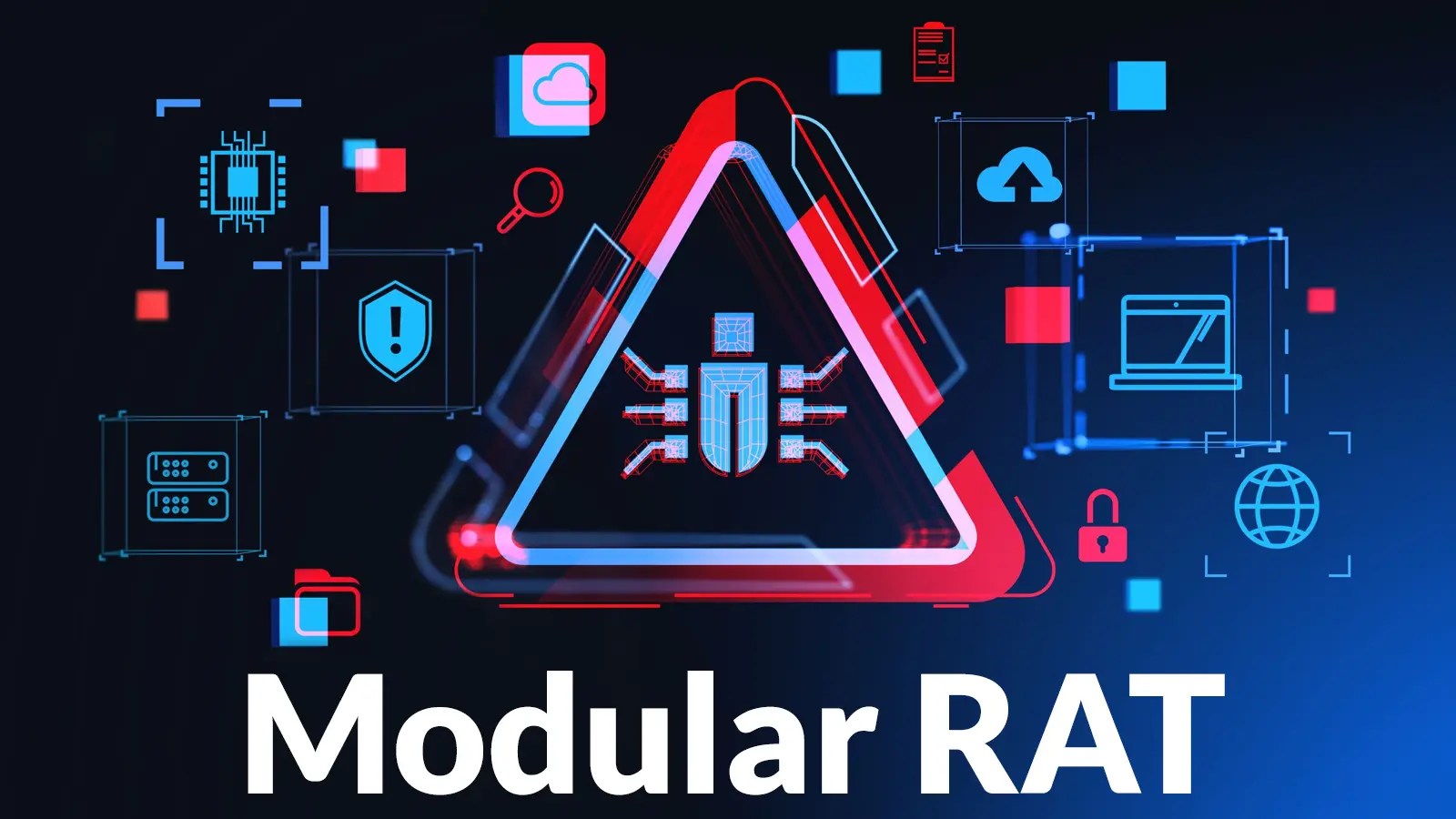
A new cyber threat has emerged in Southeast Asia, targeting high-level executives and government investigators through a sophisticated malware known as a modular Remote Access Trojan (RAT). This malicious software is capable of stealing credentials, capturing screenshots, and maintaining persistence on infected systems, posing a significant threat to the region.
Operation GriefLure: A Dual-Pronged Attack
The operation, identified as Operation GriefLure, is conducting two separate campaigns aimed at Vietnam’s telecom industry and the Philippine healthcare sector. The attackers leverage authentic legal documents from an ongoing data breach lawsuit to gain victims’ trust, making the threat even more concerning.
Seqrite Labs researchers, who discovered the campaign, highlight the malware’s rapid infection process, which completes within seconds without alerting the victim. The malware is delivered via spear phishing emails containing nested compressed archives designed to evade standard security measures.
Targeted Sectors and Attack Techniques
The first campaign is directed toward senior executives at Viettel Group, Vietnam’s largest telecom operator, and cybercrime investigators in Thanh Hoa. Meanwhile, the second campaign targets compliance personnel at St. Luke’s Medical Center in the Philippines, using a fabricated report of financial misconduct to lure victims.
Both campaigns share the same infrastructure, indicating a single threat actor orchestrating a coordinated attack. The malware’s core, a modular RAT, collects credentials from browsers like Chrome and targets various system access tools, making it a formidable threat to sensitive information.
Technical Insights and Defense Strategies
At the heart of the operation is a modular RAT that captures screenshots and adapts its behavior to avoid detection. It communicates with a command-and-control server hosted on a bulletproof infrastructure in Hong Kong, suggesting high-level operational security by the attackers.
Organizations in the affected regions are urged to block the known command-and-control domain, monitor for suspicious file executions, and audit systems for unusual activities. Traditional user awareness training may not suffice, as the attack exploits legitimate documents and trusted binaries.
Seqrite researchers associate this campaign with a China-linked threat group, supported by the use of Chinese hosting services and targeted data like WeChat credentials. The attack’s reach across military and healthcare sectors underscores the urgent need for robust security measures in Southeast Asia.
The indicators of compromise include specific file hashes and the command-and-control domain, which security teams should use to enhance their defense strategies. The attack’s complexity highlights the evolving nature of cyber threats and the importance of staying informed and prepared.