Skip to content
  • Home
  • Cyber Map
  • About Us – Contact
  • Disclaimer
  • Terms and Rules
  • Privacy Policy
Cyber Web Spider Blog – News

Cyber Web Spider Blog – News

Globe Threat Map provides a real-time, interactive 3D visualization of global cyber threats. Monitor DDoS attacks, malware, and hacking attempts with geo-located arcs on a rotating globe. Stay informed with live logs and archive stats.

  • Home
  • Cyber Map
  • Cyber Security News
  • Security Week News
  • The Hacker News
  • How To?
  • Toggle search form
Millenium RAT Malware Threat Grows, Infections Skyrocket

Millenium RAT Malware Threat Grows, Infections Skyrocket

Posted on June 29, 2026 By CWS

The Millenium RAT, a remote access trojan, has become a significant cybersecurity threat as it spreads across the globe. Over 62,000 devices in more than 160 countries have been compromised, highlighting the widespread impact of this malware. This surge in infections is indicative of an expanding operation that shows no signs of abating.

Widespread Infections and Malware Evolution

In the first quarter of 2026 alone, over 39,000 devices were infected, illustrating the rapid expansion of this malware campaign. Initially detected in a CYFIRMA report in November 2023, the Millenium RAT was then known as version 2.4. It has since evolved into version 4, featuring a complete overhaul in its technical design and an enhanced range of capabilities specifically targeting Windows operating systems.

According to Group-IB, the malware’s proliferation is linked to a group known as the Y2K Operators. The developer, using the alias “shinyenigma,” actively promotes the malware on underground forums and GitHub. The trojan is available as malware-as-a-service, with pricing set at $50 for the first month, $10 for renewals, or $90 for lifetime access.

Technical Advancements and Distribution Strategy

The most notable advancement in version 4 is its transition from .NET to native C++, which eliminates the need for .NET framework dependencies on victim machines. This change makes detection more challenging. The malware communicates with its operators via the Telegram Bot API, masking its command-and-control operations as normal web traffic.

Once deployed, the trojan loads an encrypted configuration file containing crucial information such as the Telegram bot token and persistence settings. The data is protected with a custom XOR encryption, further complicating detection efforts. The malware’s capabilities are extensive, including credential theft, keystroke logging, and file encryption, executed through standard Windows APIs without relying on zero-day exploits.

Deceptive Tactics and Security Recommendations

The Y2K Operators employ various social engineering tactics to distribute the Millenium RAT. Files are often disguised as benign utilities like credit card generators or gaming tools to entice users into executing them. A particularly audacious method involves embedding backdoors in known RATs and redistributing them as legitimate tools.

To protect against such threats, users are advised to be cautious of unexpected UAC prompts, avoid running untrusted files, and use non-administrator accounts for everyday tasks. Keeping systems updated and enabling multi-factor authentication can also mitigate potential damage if credentials are compromised.

As the Millenium RAT continues to evolve and spread, staying informed and implementing robust cybersecurity measures are essential to safeguarding digital assets against this growing threat.

Cyber Security News Tags:C++ rewrite, cyber attacks, cyber crime, cyber threat, Cybersecurity, data breach, Malware, malware distribution, malware protection, malware-as-a-service, Millenium RAT, remote access trojan, threat intelligence, Trojan, Y2K Operators

Post navigation

Previous Post: NAIC Confirms Data Breach in Oracle PeopleSoft Hack
Next Post: Linux Kernel Vulnerabilities Highlight Security Concerns

Related Posts

Hackers Using New ClickFix Technique To Exploits Human Error Via Fake Prompts Hackers Using New ClickFix Technique To Exploits Human Error Via Fake Prompts Cyber Security News
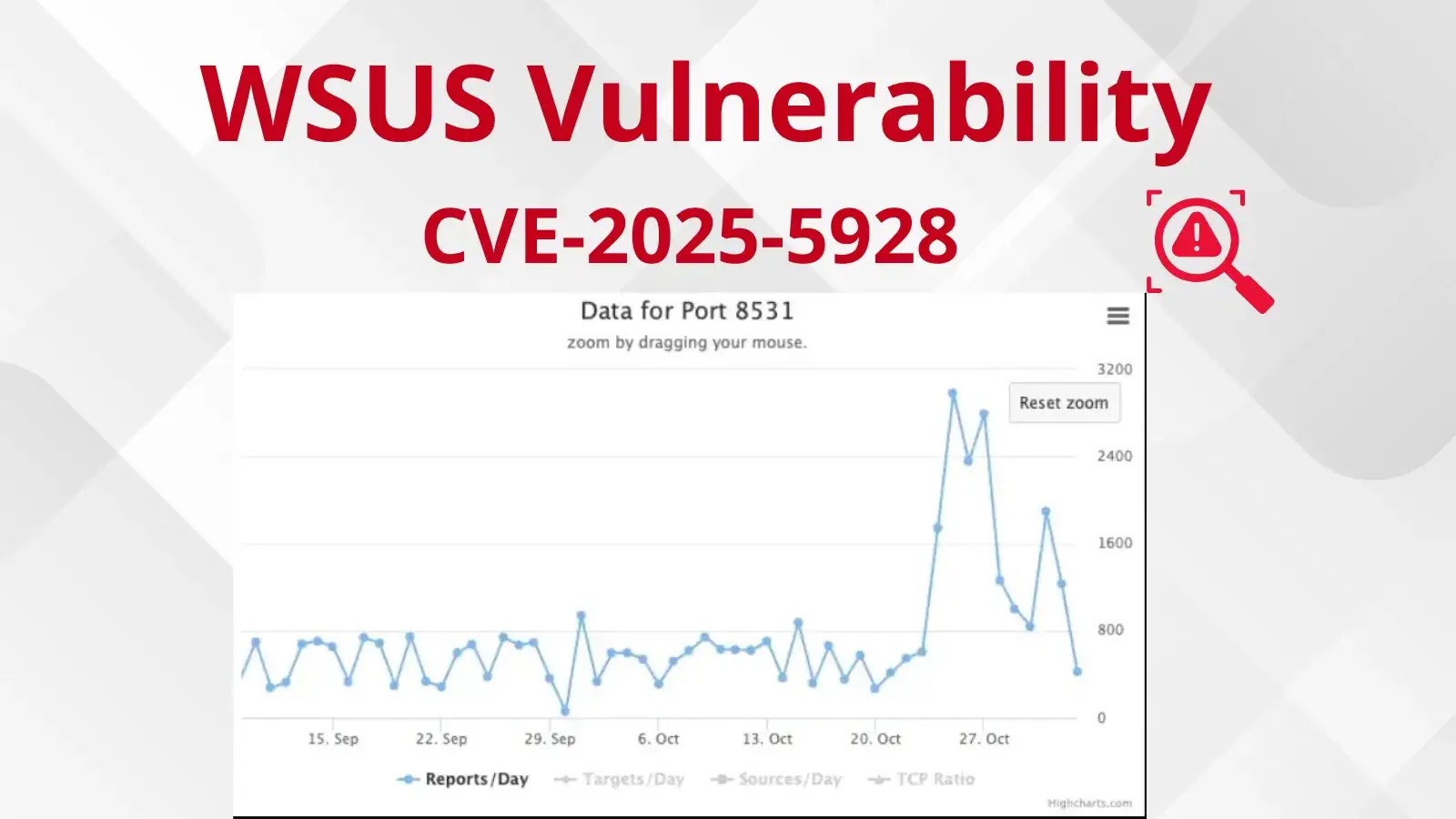
Hackers Actively Scanning for TCP Port 8530/8531 Linked to WSUS Vulnerability CVE-2025-59287 Hackers Actively Scanning for TCP Port 8530/8531 Linked to WSUS Vulnerability CVE-2025-59287 Cyber Security News
Leading Serverless Security Solutions for 2026 Leading Serverless Security Solutions for 2026 Cyber Security News
Dolphin X Malware Threatens 300+ Apps with AI Profiling Dolphin X Malware Threatens 300+ Apps with AI Profiling Cyber Security News
One Identity Appoints Gihan Munasinghe as New CTO One Identity Appoints Gihan Munasinghe as New CTO Cyber Security News
Critical ServiceNow Flaw Under Active Exploitation Critical ServiceNow Flaw Under Active Exploitation Cyber Security News

Categories

  • Cyber Security News
  • How To?
  • Security Week News
  • The Hacker News

Recent Posts

  • AI Backdoor: Lazarus Technique Threatens Model Security
  • eMudhra Revokes Additional CAs After Security Breach
  • SignDrop Exploit Threatens Windows CLFS Security
  • AI Hacking Tools Found on Unsecured Servers Worldwide
  • Exploiting Microsoft Entra: New Risks of BluePhishing Attacks

Pages

  • About Us – Contact
  • Disclaimer
  • Privacy Policy
  • Terms and Rules

Archives

  • November 2026
  • October 2026
  • September 2026
  • August 2026
  • July 2026
  • June 2026
  • May 2026
  • April 2026
  • March 2026
  • February 2026
  • January 2026
  • December 2025
  • November 2025
  • October 2025
  • September 2025
  • August 2025
  • July 2025
  • June 2025
  • May 2025

Recent Posts

  • AI Backdoor: Lazarus Technique Threatens Model Security
  • eMudhra Revokes Additional CAs After Security Breach
  • SignDrop Exploit Threatens Windows CLFS Security
  • AI Hacking Tools Found on Unsecured Servers Worldwide
  • Exploiting Microsoft Entra: New Risks of BluePhishing Attacks

Pages

  • About Us – Contact
  • Disclaimer
  • Privacy Policy
  • Terms and Rules

Categories

  • Cyber Security News
  • How To?
  • Security Week News
  • The Hacker News

Copyright © 2026 Cyber Web Spider Blog – News.

Powered by PressBook Masonry Dark