A newly emerging AI service known as MessiahGPT is being marketed on BreachForums as an advanced tool designed specifically for creating ransomware, phishing kits, and various other malicious software. The Trellix Advanced Research Center has highlighted this development, noting the service’s brazen marketing tactics targeting cybercriminals.
MessiahGPT’s Unique Selling Proposition
Unlike many AI models that are modified through jailbreak prompts, MessiahGPT boasts a distinctive approach. Its creators claim the AI was constructed from the ground up with zero ethical limitations, foregoing Reinforcement Learning from Human Feedback or any internal barriers against harmful activities.
The training material for MessiahGPT includes unrestricted guides, dark web content, and raw internet data, all processed without filters. This approach sets it apart, though the technical specifications provided can’t be verified independently. However, the service is live and actively promoted on prominent criminal platforms.
Affordable Access to Powerful Tools
MessiahGPT is designed to be accessible, offering 50 free queries without requiring registration. Users can then choose paid plans starting at approximately $8 per month, payable exclusively in cryptocurrency to maintain anonymity. This makes it affordable for even low-skilled operators to access advanced malware creation tools.
The tool’s advertisement explicitly outlines its capabilities, including generating ransomware, phishing kits, and even guides for social engineering and data breach exploitation. Such transparency in advertising highlights the target audience: users who seek capabilities that mainstream AI models refuse to offer.
Broader Implications for Cybersecurity
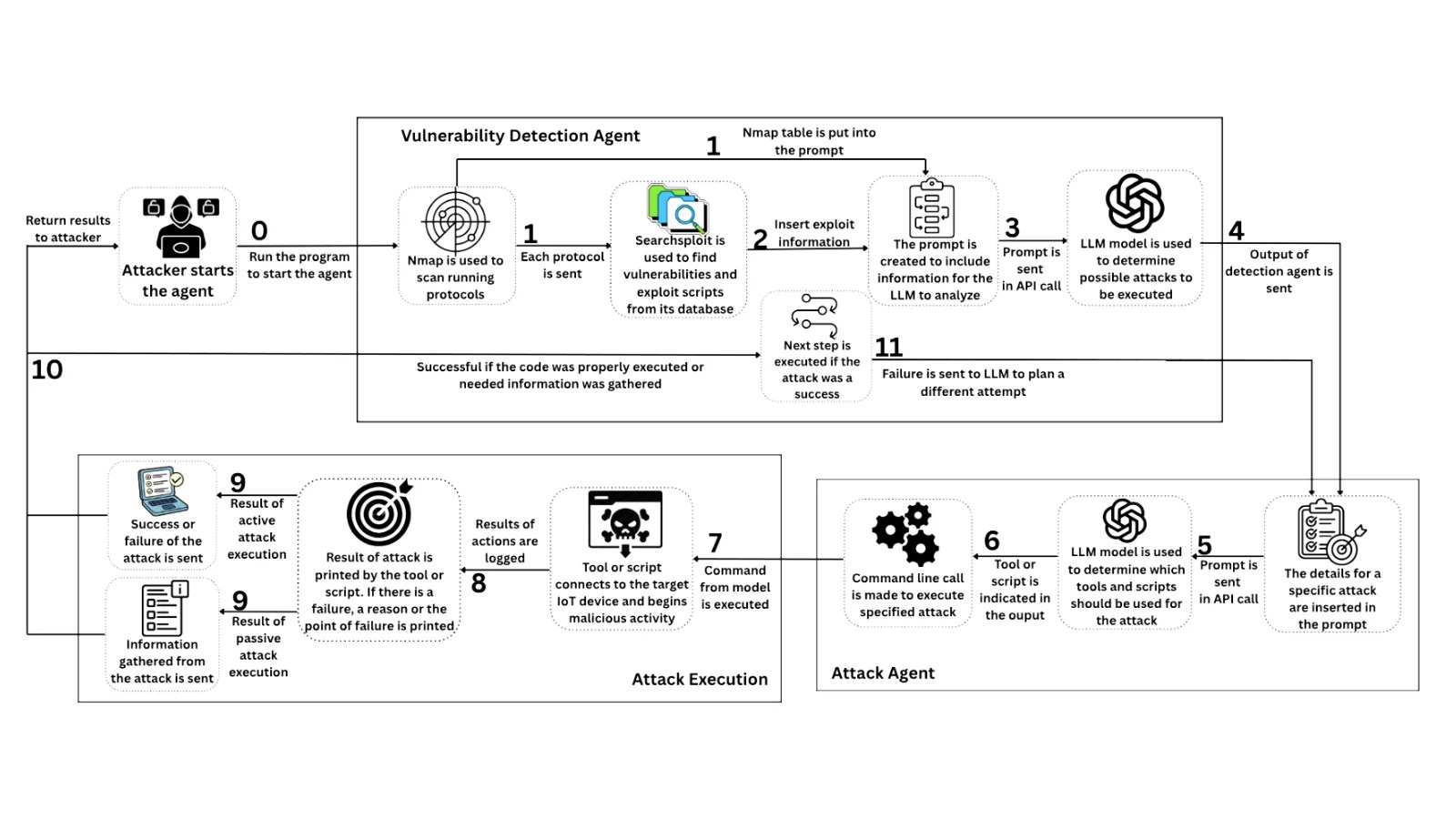
MessiahGPT is not the only player in this space. Trellix has also identified DarkGPT, another uncensored AI service widely promoted across Russian-language Telegram channels. This service promises unrestricted creation of malicious code and access to a community of hackers.
The emergence of services like MessiahGPT and DarkGPT signals a shift towards the commercialization of criminal AI, with platforms offering structured services, including demo channels and tiered pricing. This trend suggests that AI-generated phishing and ransomware will become more prevalent, challenging traditional detection methods.
Future Outlook for Cyber Defense
As AI-generated cyber threats become cheaper and more widespread, cybersecurity defenses must evolve. Traditional signature-based detection methods will likely be less effective against the growing sophistication of AI-generated attacks.
To combat these threats, organizations should focus on behavioral detection, implement robust identity controls, and invest in continuous user awareness training. These measures will be critical in maintaining effective defense against increasingly sophisticated AI-driven cyber threats.