Skip to content
  • Home
  • Cyber Map
  • About Us – Contact
  • Disclaimer
  • Terms and Rules
  • Privacy Policy
Cyber Web Spider Blog – News

Cyber Web Spider Blog – News

Globe Threat Map provides a real-time, interactive 3D visualization of global cyber threats. Monitor DDoS attacks, malware, and hacking attempts with geo-located arcs on a rotating globe. Stay informed with live logs and archive stats.

  • Home
  • Cyber Map
  • Cyber Security News
  • Security Week News
  • The Hacker News
  • How To?
  • Toggle search form
TP-Link Camera Vulnerabilities Threaten User Privacy

TP-Link Camera Vulnerabilities Threaten User Privacy

Posted on September 16, 2026 By CWS

Recent discoveries have uncovered significant security flaws in TP-Link Tapo C200 smart cameras, posing serious privacy risks. These zero-day vulnerabilities, identified as CVE-2026-15315 and CVE-2026-15316, could allow network-based attackers to gain unauthorized access or disrupt camera functionality.

Details of the Discovered Vulnerabilities

Both vulnerabilities were addressed with the release of firmware version V5_1.4.6 on August 18, 2026. The Tapo C200 cameras, popular for home and small business surveillance, offer features like live streaming and cloud integration. However, their network connectivity leaves them susceptible if security measures are inadequate.

Research conducted by OPSWAT’s Khoi Tran and Thai Do as part of a cybersecurity fellowship program led to the identification of these flaws. Their examination of the camera’s firmware and local communications revealed significant security gaps.

Authentication Bypass and Its Implications

The authentication bypass issue, CVE-2026-15315, affects the camera’s local HTTPS management interface. Normally, the camera uses a challenge-response mechanism to verify users. However, the researchers found a loophole where the camera could accept a replayed value during authentication, granting unauthorized administrative access.

This flaw allows attackers with network access to potentially control the device without needing the camera’s password. Unauthorized access could result in altered settings, exposed live feeds, and compromised privacy.

Denial-of-Service Vulnerability Explained

The second flaw, CVE-2026-15316, involves the Wi-Fi onboarding process. The research highlighted issues with the camera’s handling of encrypted Wi-Fi credentials, which could lead to a denial-of-service scenario. Attackers could send oversized encrypted data to crash the device’s service, rendering it inaccessible.

This vulnerability doesn’t require user interaction but does need network access. Attackers could exploit this through local networks or improperly exposed interfaces.

Mitigation and User Recommendations

OPSWAT reported these vulnerabilities to TP-Link in April 2026, with the company confirming them in July and issuing a patch in August. Users are strongly advised to update their devices to the latest firmware version and ensure management interfaces are restricted to trusted networks. Businesses should also consider segregating IoT devices on separate network segments to minimize risks.

By taking these precautions, users can protect their devices and prevent unauthorized access, thereby safeguarding their privacy and security.


Cyber Security News Tags:authentication bypass, camera vulnerabilities, CVE-2026-15315, CVE-2026-15316, Cybersecurity, denial of service, firmware update, IoT security, network security, OPSWAT, privacy risk, Tapo C200, TP-Link, zero-day vulnerabilities

Post navigation

Previous Post: AI-Driven Data Breach Notified to Spanish Authorities
Next Post: Russian Enterprises Face Threats from Cyber Groups

Related Posts

WhatsApp Denies Lawsuit Claim and Confirms Messages are Device-encrypted and Private WhatsApp Denies Lawsuit Claim and Confirms Messages are Device-encrypted and Private Cyber Security News
Employee Devices at Risk from Bandwidth-Sharing Apps Employee Devices at Risk from Bandwidth-Sharing Apps Cyber Security News
New ZuRu Malware Variant Weaponizes Termius SSH Client to Attack macOS Users New ZuRu Malware Variant Weaponizes Termius SSH Client to Attack macOS Users Cyber Security News
Chick-fil-A Advises Password Change After Security Breach Chick-fil-A Advises Password Change After Security Breach Cyber Security News
Venom Stealer Malware Threatens Cybersecurity Landscape Venom Stealer Malware Threatens Cybersecurity Landscape Cyber Security News
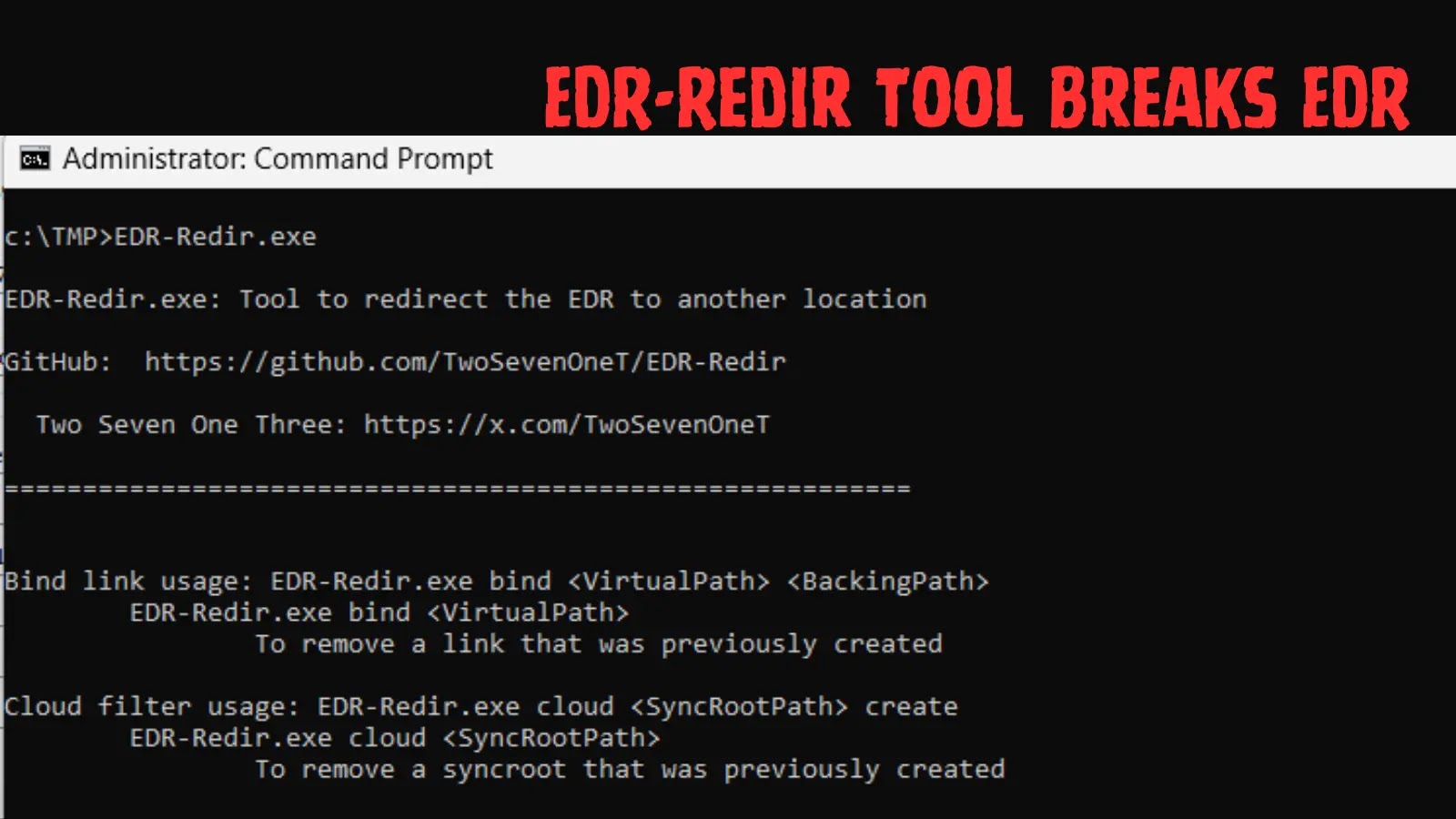
New EDR-Redir Tool Breaks EDR Exploiting Bind Filter and Cloud Filter Driver New EDR-Redir Tool Breaks EDR Exploiting Bind Filter and Cloud Filter Driver Cyber Security News

Categories

  • Cyber Security News
  • How To?
  • Security Week News
  • The Hacker News

Recent Posts

  • Urgent Patch for Major Check Point Vulnerability Released
  • Google Fixes Pixel Zero-Day Vulnerability Amid Attacks
  • Russian Enterprises Face Threats from Cyber Groups
  • TP-Link Camera Vulnerabilities Threaten User Privacy
  • AI-Driven Data Breach Notified to Spanish Authorities

Pages

  • About Us – Contact
  • Disclaimer
  • Privacy Policy
  • Terms and Rules

Archives

  • September 2026
  • August 2026
  • July 2026
  • June 2026
  • May 2026
  • April 2026
  • March 2026
  • February 2026
  • January 2026
  • December 2025
  • November 2025
  • October 2025
  • September 2025
  • August 2025
  • July 2025
  • June 2025
  • May 2025

Recent Posts

  • Urgent Patch for Major Check Point Vulnerability Released
  • Google Fixes Pixel Zero-Day Vulnerability Amid Attacks
  • Russian Enterprises Face Threats from Cyber Groups
  • TP-Link Camera Vulnerabilities Threaten User Privacy
  • AI-Driven Data Breach Notified to Spanish Authorities

Pages

  • About Us – Contact
  • Disclaimer
  • Privacy Policy
  • Terms and Rules

Categories

  • Cyber Security News
  • How To?
  • Security Week News
  • The Hacker News

Copyright © 2026 Cyber Web Spider Blog – News.

Powered by PressBook Masonry Dark