Skip to content
  • Home
  • Cyber Map
  • About Us – Contact
  • Disclaimer
  • Terms and Rules
  • Privacy Policy
Cyber Web Spider Blog – News

Cyber Web Spider Blog – News

Globe Threat Map provides a real-time, interactive 3D visualization of global cyber threats. Monitor DDoS attacks, malware, and hacking attempts with geo-located arcs on a rotating globe. Stay informed with live logs and archive stats.

  • Home
  • Cyber Map
  • Cyber Security News
  • Security Week News
  • The Hacker News
  • How To?
  • Toggle search form
Data Breach at South Korean Churches Exposes Over 1 Million Records

Data Breach at South Korean Churches Exposes Over 1 Million Records

Posted on October 7, 2026 By CWS

Two prominent churches in South Korea have fallen victim to a significant data breach, resulting in the exposure of over one million congregant records. The breach, which involved critical financial and administrative data, highlights the vulnerabilities within organizational cyber infrastructure.

Methods of Breach

The breaches were executed through various sophisticated techniques. In one instance, attackers utilized web shells planted within an Enterprise Resource Planning (ERP) system, allowing unauthorized access. Another breach was facilitated by leaked credentials and Insecure Direct Object Reference (IDOR) vulnerabilities, compromising groupware and membership systems.

These security lapses opened pathways for hackers to access and manipulate sensitive records. Analysts from OASIS, a cybersecurity firm, identified this activity by analyzing files from an attacker-controlled server, pointing to a complex, multi-stage infiltration strategy.

Data Compromised

According to a report shared with Cyber Security News, the attackers gained access to a wide array of sensitive data. This included congregant records, donation histories, payroll information, and personal identity details. The data breach also affected employee communications, approval documents, and chat records. The compromised data poses a heightened risk for fraud and targeted scams, although the exact number of affected individuals remains unconfirmed.

During the investigation, researchers uncovered files from a U.S.-based server between late August and early September. These files contained tools, stolen data, and reports that detailed the operations against both churches.

Response and Prevention

In response to these breaches, experts emphasize the importance of removing unauthorized web shells and rotating exposed credentials. Organizations are advised to conduct thorough inspections of ERP, database, and cloud logs to detect any unusual activity. It is crucial to address vulnerabilities in authorization checks to prevent further unauthorized access.

Security teams should implement tighter controls over linked-server privileges and segment database systems to mitigate similar risks. Eliminating deprecated features like xp_cmdshell when not required can also reduce potential attack vectors.

Future Outlook

As AI technologies advance, the capability for reverse engineering and rapid data exfiltration increases, posing new challenges for cybersecurity professionals. Organizations must remain vigilant and proactive in their defenses to counteract these evolving threats. Continuous monitoring and adopting best practices in cybersecurity can help prevent future breaches of this magnitude.

Cyber Security News Tags:congregant records, Cybersecurity, data breach, ERP system, Hacking, IDOR vulnerabilities, leaked credentials, OASIS report, South Korean churches, web shell

Post navigation

Previous Post: Key Challenges Facing US SOCs: Solutions to Improve Efficiency
Next Post: Critical Atlassian Flaw Poses Risk to Jira Admin Access

Related Posts

Fortinet Flaw Enables Man-in-the-Middle Attacks Fortinet Flaw Enables Man-in-the-Middle Attacks Cyber Security News
Critical Plesk Flaw Allows Command Execution on Servers Critical Plesk Flaw Allows Command Execution on Servers Cyber Security News
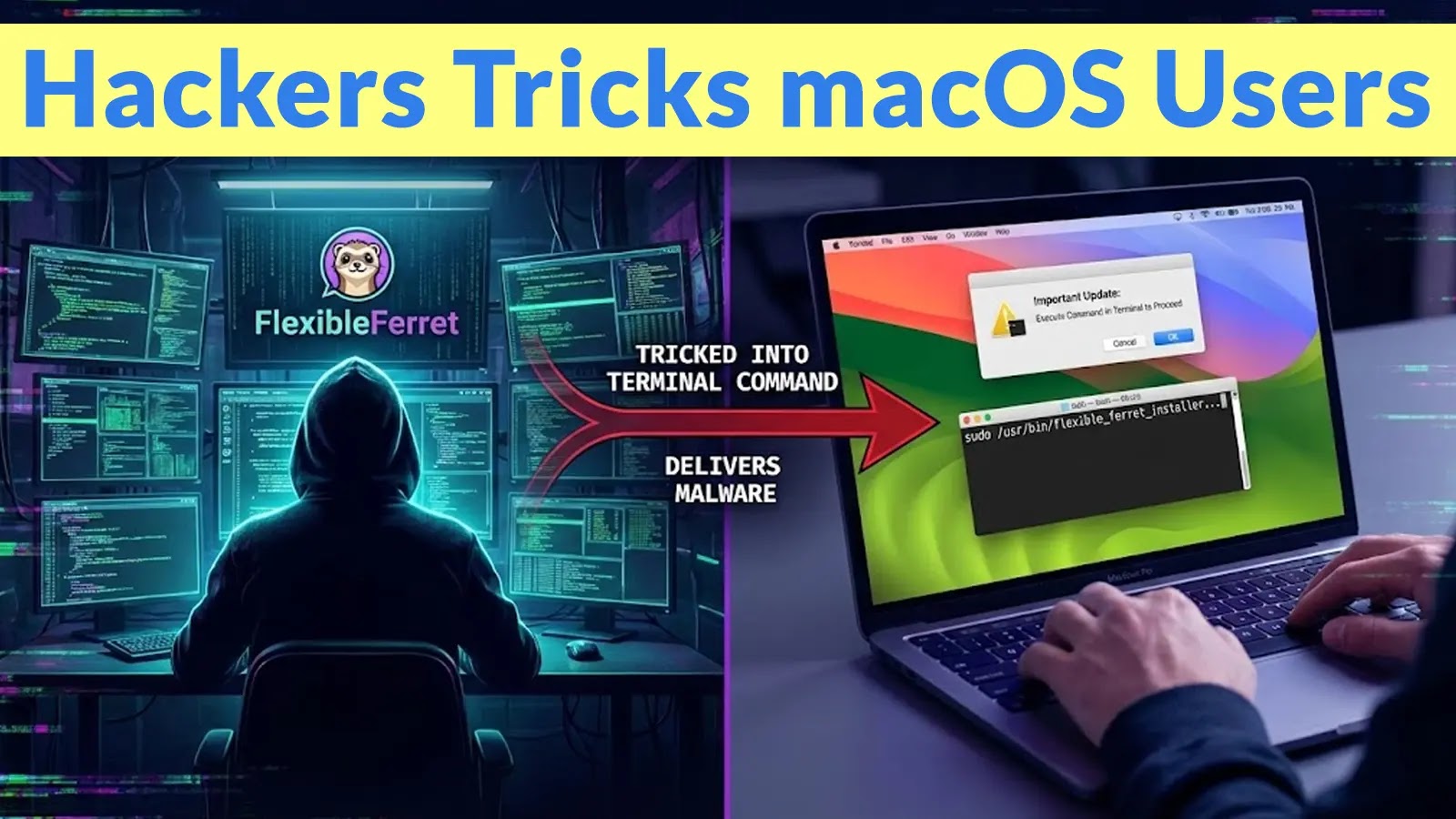
Hackers Tricks macOS Users to Execute Command in Terminal to Deliver FlexibleFerret Malware Hackers Tricks macOS Users to Execute Command in Terminal to Deliver FlexibleFerret Malware Cyber Security News
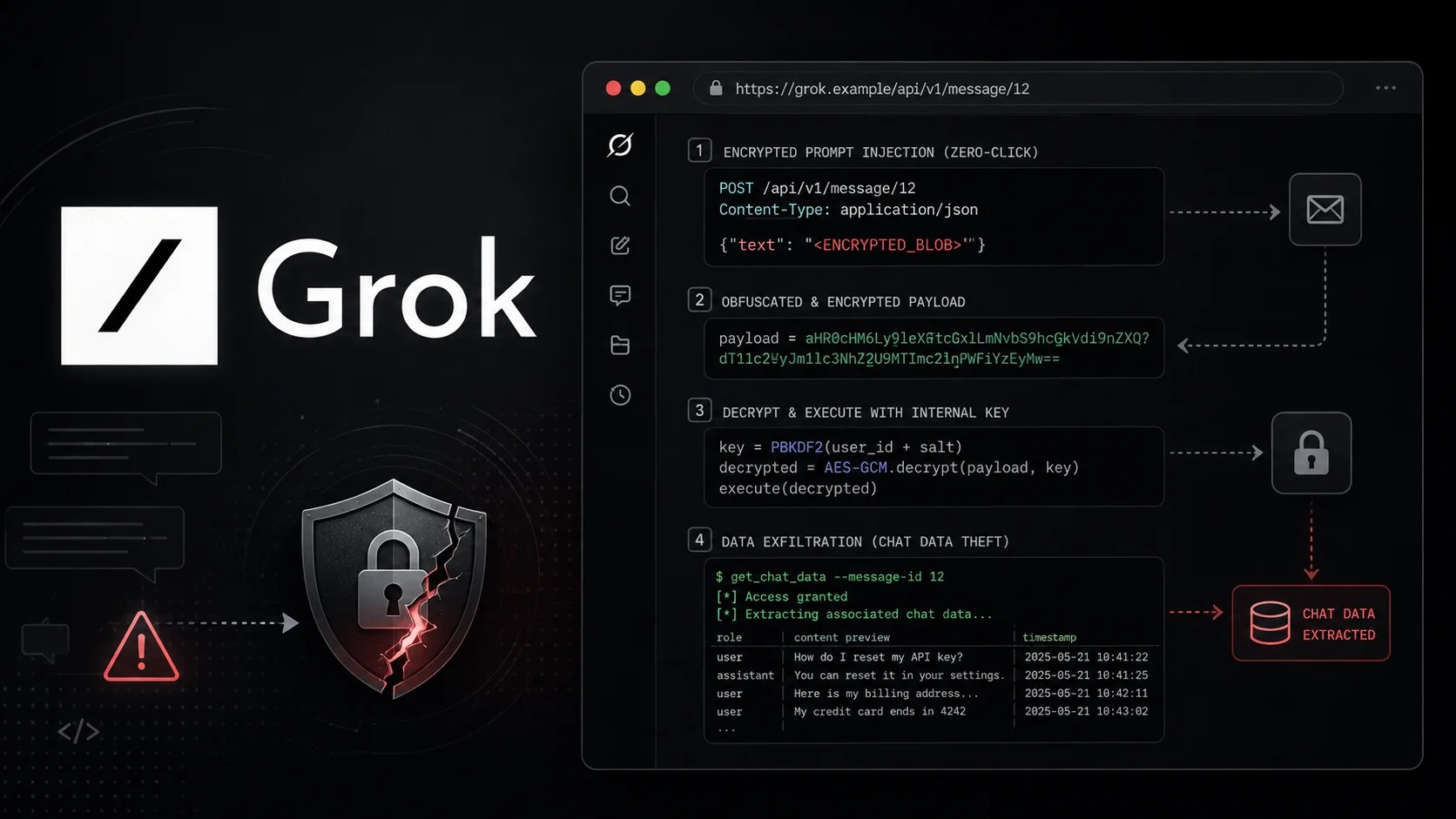
Zero-Click Attack Exposes Chat Data via Encrypted Injection Zero-Click Attack Exposes Chat Data via Encrypted Injection Cyber Security News
Hackers Can Inject Malicious Code into Antivirus Processes to Create a Backdoor Hackers Can Inject Malicious Code into Antivirus Processes to Create a Backdoor Cyber Security News
Gentlemen RaaS Targets Multiple OS with Advanced Ransomware Gentlemen RaaS Targets Multiple OS with Advanced Ransomware Cyber Security News

Categories

  • Cyber Security News
  • How To?
  • Security Week News
  • The Hacker News

Recent Posts

  • Hackers Exploit Websites with Fake Cloudflare Pages
  • Critical Atlassian Flaw Poses Risk to Jira Admin Access
  • Data Breach at South Korean Churches Exposes Over 1 Million Records
  • Key Challenges Facing US SOCs: Solutions to Improve Efficiency
  • SonicWall Fixes Critical SSRF Vulnerability in SMA1000

Pages

  • About Us – Contact
  • Disclaimer
  • Privacy Policy
  • Terms and Rules

Archives

  • October 2026
  • September 2026
  • August 2026
  • July 2026
  • June 2026
  • May 2026
  • April 2026
  • March 2026
  • February 2026
  • January 2026
  • December 2025
  • November 2025
  • October 2025
  • September 2025
  • August 2025
  • July 2025
  • June 2025
  • May 2025

Recent Posts

  • Hackers Exploit Websites with Fake Cloudflare Pages
  • Critical Atlassian Flaw Poses Risk to Jira Admin Access
  • Data Breach at South Korean Churches Exposes Over 1 Million Records
  • Key Challenges Facing US SOCs: Solutions to Improve Efficiency
  • SonicWall Fixes Critical SSRF Vulnerability in SMA1000

Pages

  • About Us – Contact
  • Disclaimer
  • Privacy Policy
  • Terms and Rules

Categories

  • Cyber Security News
  • How To?
  • Security Week News
  • The Hacker News

Copyright © 2026 Cyber Web Spider Blog – News.

Powered by PressBook Masonry Dark