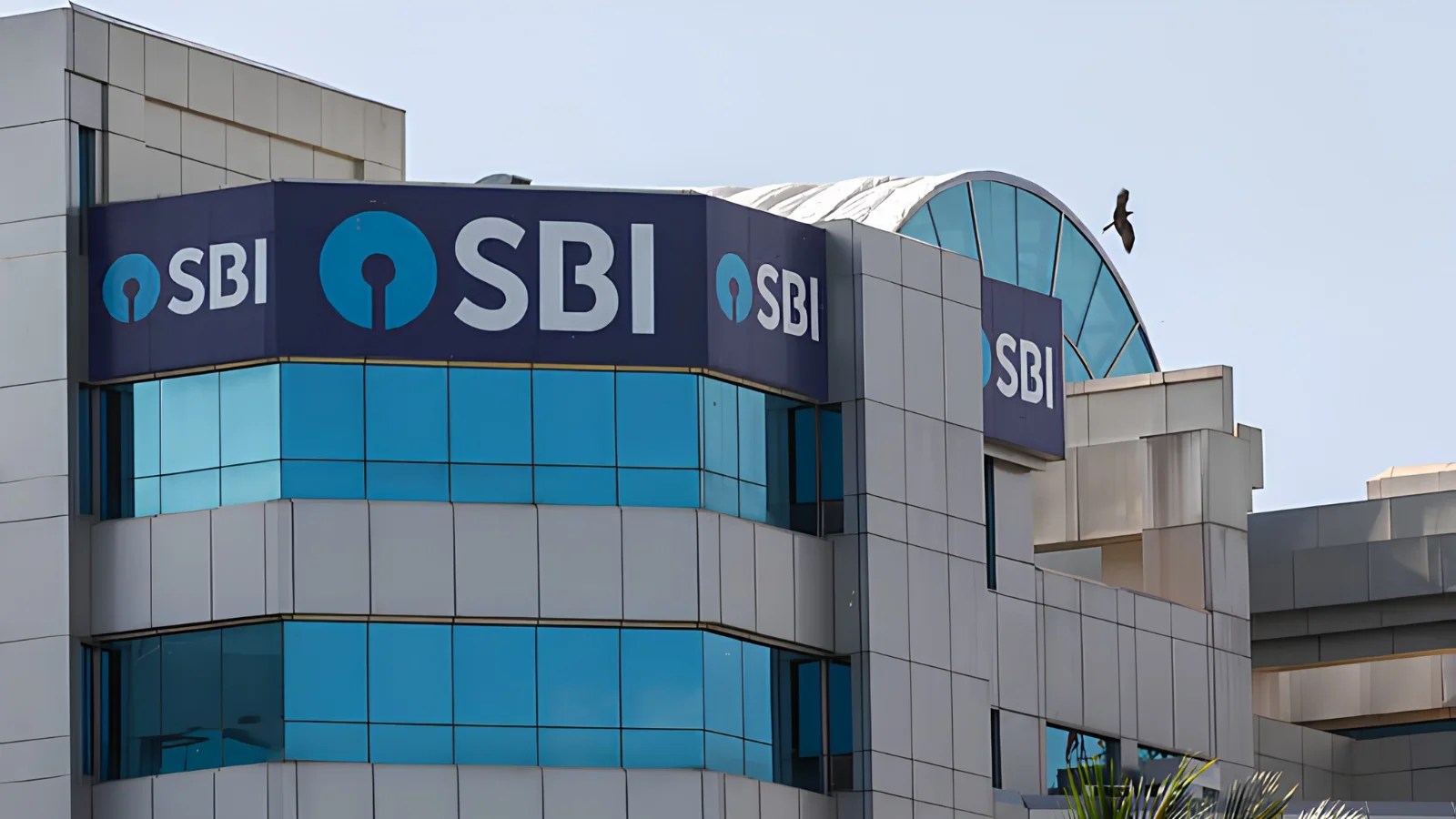
An unverified claim regarding a data breach at the State Bank of India (SBI) has surfaced, alleging that a hacker known as Siriusim has posted sensitive customer information and banking documents online. The claim suggests the dataset includes 375,000 CSV entries and 2,722 PDF documents, but these figures alone do not confirm the number of affected individuals.
Details of the Alleged Data Breach
CyberPulse reported this allegation on October 16, 2026, detailing that the posted data comprises personal customer information, loan applications, and account-opening forms. However, the authenticity and scope of this exposure have not been verified. The alleged breach was first disclosed by Siriusim on BreachForums, accompanied by four sample records reportedly showing sensitive customer details such as KYC records and Aadhaar numbers.
Challenges in Verifying the Breach
While CSV files organize data in rows and columns and PDFs contain scanned documents, the presence of multiple entries or applications could mean fewer unique individuals are affected. The source of the alleged records remains unclear, and there is no verified evidence linking the breach directly to SBI or its associates. India Today reported on October 19 that SBI had not addressed these claims, and the origin of the data remains uncertain.
Without substantiated evidence of a compromised system or stolen credentials, the breach claims remain speculative. Banking documents alone do not confirm unauthorized access to SBI’s core systems. Thorough investigations are required to validate the records and trace their source before any conclusions can be drawn.
Potential Risks and Recommended Precautions
If the claims are genuine, they pose significant risks such as identity theft, loan fraud, and phishing attacks. Cybercriminals could use detailed application data to create convincing fraudulent communications. Past incidents involving fake SBI apps and deceptive alerts underscore the importance of vigilance.
Customers should confirm suspicious bank communications through official channels and avoid sharing sensitive information like passwords or one-time passwords (OTPs). SBI is advised to evaluate the claims, maintain log records, and notify potentially affected customers should the breach be confirmed. For now, this incident remains an alleged data exposure, pending further investigation.
For more insights into cybersecurity and data breach prevention, stay informed and protect your personal information.