Skip to content
  • Home
  • Cyber Map
  • About Us – Contact
  • Disclaimer
  • Terms and Rules
  • Privacy Policy
Cyber Web Spider Blog – News

Cyber Web Spider Blog – News

Globe Threat Map provides a real-time, interactive 3D visualization of global cyber threats. Monitor DDoS attacks, malware, and hacking attempts with geo-located arcs on a rotating globe. Stay informed with live logs and archive stats.

  • Home
  • Cyber Map
  • Cyber Security News
  • Security Week News
  • The Hacker News
  • How To?
  • Toggle search form
Palo Alto Addresses Critical NGINX Security Flaws

Palo Alto Addresses Critical NGINX Security Flaws

Posted on November 23, 2026 By CWS

Palo Alto Networks has announced the identification of two significant vulnerabilities linked to NGINX, identified as CVE-2026-123633 and CVE-2026-123007. These vulnerabilities notably impact PAN-OS and Panorama systems with HTTP/2 configurations enabled.

Impact of the NGINX Vulnerabilities

The identified flaws present a threat whereby unauthorized remote attackers could potentially interrupt worker processes or execute arbitrary code. In response, Palo Alto Networks has issued necessary patches and workaround solutions to mitigate these risks.

According to the security advisory, these vulnerabilities have been assigned a CVSS v4.0 score of 9.2, signifying a high level of severity. Despite this, there have been no reported instances of these vulnerabilities being exploited maliciously.

Understanding the Specific Flaws

CVE-2026-123633 is identified as a use-after-free error within NGINX’s HTTP/2 proxy handling. This flaw can result in active connections being incorrectly marked as reusable, leading to potential memory release errors that could crash worker processes or enable code execution. An important caveat is that code execution necessitates the bypassing of Address Space Layout Randomization (ASLR), which is a security measure to prevent exploitation.

In contrast, CVE-2026-123007 affects the flow control mechanism of HTTP/2. This can lead to an integer underflow, allowing the flow-control window to exceed its limit, potentially causing a heap-based buffer overflow. Such conditions could result in a system crash or unauthorized code execution by an attacker.

Guidance and Mitigation Measures

Palo Alto Networks has provided detailed instructions for users to secure their systems. For instance, PAN-OS 12.2 users should upgrade to version 12.2.4-h3 or later. For other versions, specific updates such as 12.1.10-h6 for PAN-OS 12.1 users and 11.2.10-h19 for PAN-OS 11.2 are recommended. The advisory highlights November 23 as a key date for the availability of certain updates.

Users unable to apply these patches are advised to disable HTTP/2, which is not enabled by default, using the vendor’s configured documentation. This step is crucial for systems where upgrading is not immediately feasible, ensuring protection against potential exposure.

In conclusion, it is vital for organizations using PAN-OS and Panorama with HTTP/2 to review their systems and apply the necessary updates or configurations promptly. Staying informed and proactive in cybersecurity measures remains essential to safeguarding against evolving threats.


Cyber Security News Tags:CVE-2026-123007, CVE-2026-123633, Cybersecurity, HTTP/2, network security, NGINX, Palo Alto Networks, PAN-OS, patch update, remote code execution, Security, software update, system protection, use-after-free, Vulnerabilities

Post navigation

Previous Post: GPT-6.2 Astra Uncovers Critical Mobile Security Flaws

Related Posts

Google Announces Android Theft Protection Feature to Make Your Device Harder Target for Hackers Google Announces Android Theft Protection Feature to Make Your Device Harder Target for Hackers Cyber Security News
Git 2.51 Released With Performance Optimizations and SHA-256 as Default hash Function Git 2.51 Released With Performance Optimizations and SHA-256 as Default hash Function Cyber Security News
cPanel Issues Urgent Fix for Critical Security Flaw cPanel Issues Urgent Fix for Critical Security Flaw Cyber Security News
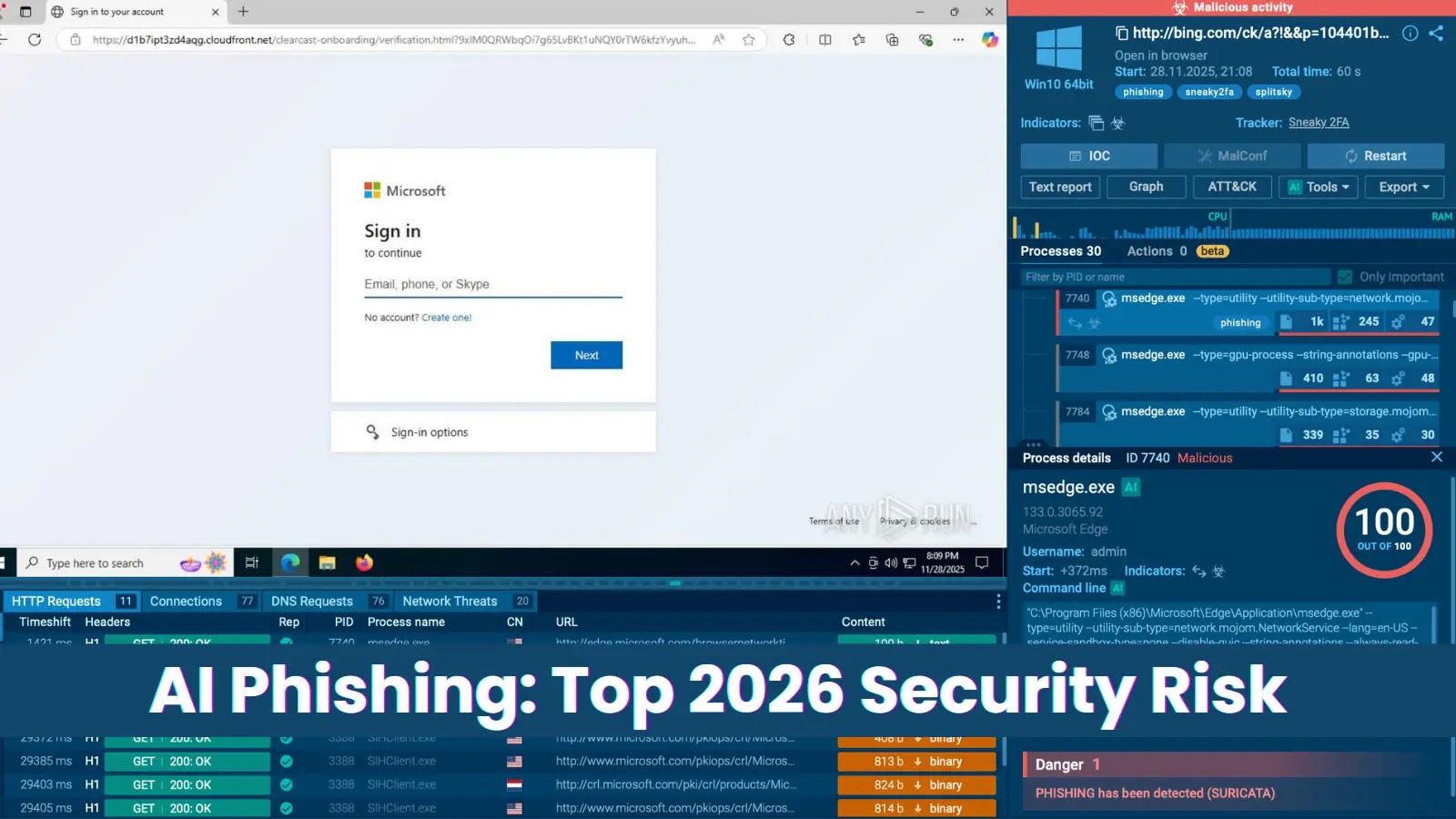
AI Phishing Is Your Company’s Biggest Security Risk in 2026 AI Phishing Is Your Company’s Biggest Security Risk in 2026 Cyber Security News
AI-Powered Cyber Threats Challenge Security Operations AI-Powered Cyber Threats Challenge Security Operations Cyber Security News
Tycoon 2FA Phishing Kit Exploits OAuth for Account Breaches Tycoon 2FA Phishing Kit Exploits OAuth for Account Breaches Cyber Security News

Categories

  • Cyber Security News
  • How To?
  • Security Week News
  • The Hacker News

Recent Posts

  • Palo Alto Addresses Critical NGINX Security Flaws
  • GPT-6.2 Astra Uncovers Critical Mobile Security Flaws
  • Hackers Allegedly Exploit VMware vCenter Flaw for $30,000
  • Volkswagen Vulnerable to Bluetooth Hacks: Privacy Risks Exposed
  • Cleverbridge Reveals Payment Data Breach Impact

Pages

  • About Us – Contact
  • Disclaimer
  • Privacy Policy
  • Terms and Rules

Archives

  • November 2026
  • October 2026
  • September 2026
  • August 2026
  • July 2026
  • June 2026
  • May 2026
  • April 2026
  • March 2026
  • February 2026
  • January 2026
  • December 2025
  • November 2025
  • October 2025
  • September 2025
  • August 2025
  • July 2025
  • June 2025
  • May 2025

Recent Posts

  • Palo Alto Addresses Critical NGINX Security Flaws
  • GPT-6.2 Astra Uncovers Critical Mobile Security Flaws
  • Hackers Allegedly Exploit VMware vCenter Flaw for $30,000
  • Volkswagen Vulnerable to Bluetooth Hacks: Privacy Risks Exposed
  • Cleverbridge Reveals Payment Data Breach Impact

Pages

  • About Us – Contact
  • Disclaimer
  • Privacy Policy
  • Terms and Rules

Categories

  • Cyber Security News
  • How To?
  • Security Week News
  • The Hacker News

Copyright © 2026 Cyber Web Spider Blog – News.

Powered by PressBook Masonry Dark