Skip to content
  • Home
  • Cyber Map
  • About Us – Contact
  • Disclaimer
  • Terms and Rules
  • Privacy Policy
Cyber Web Spider Blog – News

Cyber Web Spider Blog – News

Globe Threat Map provides a real-time, interactive 3D visualization of global cyber threats. Monitor DDoS attacks, malware, and hacking attempts with geo-located arcs on a rotating globe. Stay informed with live logs and archive stats.

  • Home
  • Cyber Map
  • Cyber Security News
  • Security Week News
  • The Hacker News
  • How To?
  • Toggle search form
287 Chrome Extensions Breach Privacy of Millions

287 Chrome Extensions Breach Privacy of Millions

Posted on February 12, 2026 By CWS

A significant data privacy breach has emerged involving 287 Chrome extensions that have illicitly accessed the browsing history of approximately 37.4 million users worldwide. This issue represents a notable privacy concern, affecting around one percent of global Chrome users.

Undercover Data Collection

The discovery was made using an automated system that employs Docker containers and a man-in-the-middle (MITM) proxy to detect unusual network behaviors. This system scrutinizes outgoing traffic from extensions to identify patterns consistent with data exfiltration, such as correlations between data transmission and URL length.

To evade detection, these malicious extensions utilize various obfuscation techniques. Some employ ROT47 encoding, while others use advanced AES-256 encryption combined with RSA key pairs to secure browsing data before transmitting it to remote locations.

Identified Offenders and Data Brokers

Several well-known extensions, including “Poper Blocker,” “Stylish,” and “BlockSite,” have been implicated in the breach. The investigation uncovered numerous data brokers involved in this operation. For instance, Similarweb, a major web analytics company, operates multiple extensions, one of which has a user base of one million.

Further analysis revealed that “Big Star Labs,” potentially linked to Similarweb, controls extensions impacting 3.7 million users. Other entities such as Curly Doggo and Offidocs, along with some Chinese companies, have also been identified as participants in this extensive data collection network.

Risks and Recommendations

The consequences of this data breach extend beyond mere targeted advertising. Sensitive corporate information could be exposed if employees unknowingly install these compromised extensions, as they might capture internal web addresses and other confidential data.

URLs often contain personal identifiers, which could be exploited to target specific individuals. Researchers have set up honeypot traps to track these activities, revealing that multiple IP addresses linked to organizations like Kontera have accessed these data traps, indicating a broader market for the harvested data.

To safeguard personal information, users are urged to review their installed Chrome extensions and remove any identified in the research. With over 240,000 extensions available on the Chrome Web Store, manual verification can be daunting. Security experts advise installing only open-source extensions that allow for code review and being cautious with permission requests during installation.

In light of the findings, the research team has withheld detailed technical information to prevent quick adaptation by malicious actors. For ongoing updates in the cybersecurity realm, consider following trusted sources on platforms like Google News and LinkedIn.
Cyber Security News Tags:browsing history, Chrome extensions, Chrome extensions monitoring, Cybersecurity, data exfiltration, data protection, malicious extensions, privacy breach, user data, web security

Post navigation

Previous Post: Managing Technical Debt in AI-Driven Software Development
Next Post: Cyber Threats Concealed by Compromised IoT Devices

Related Posts

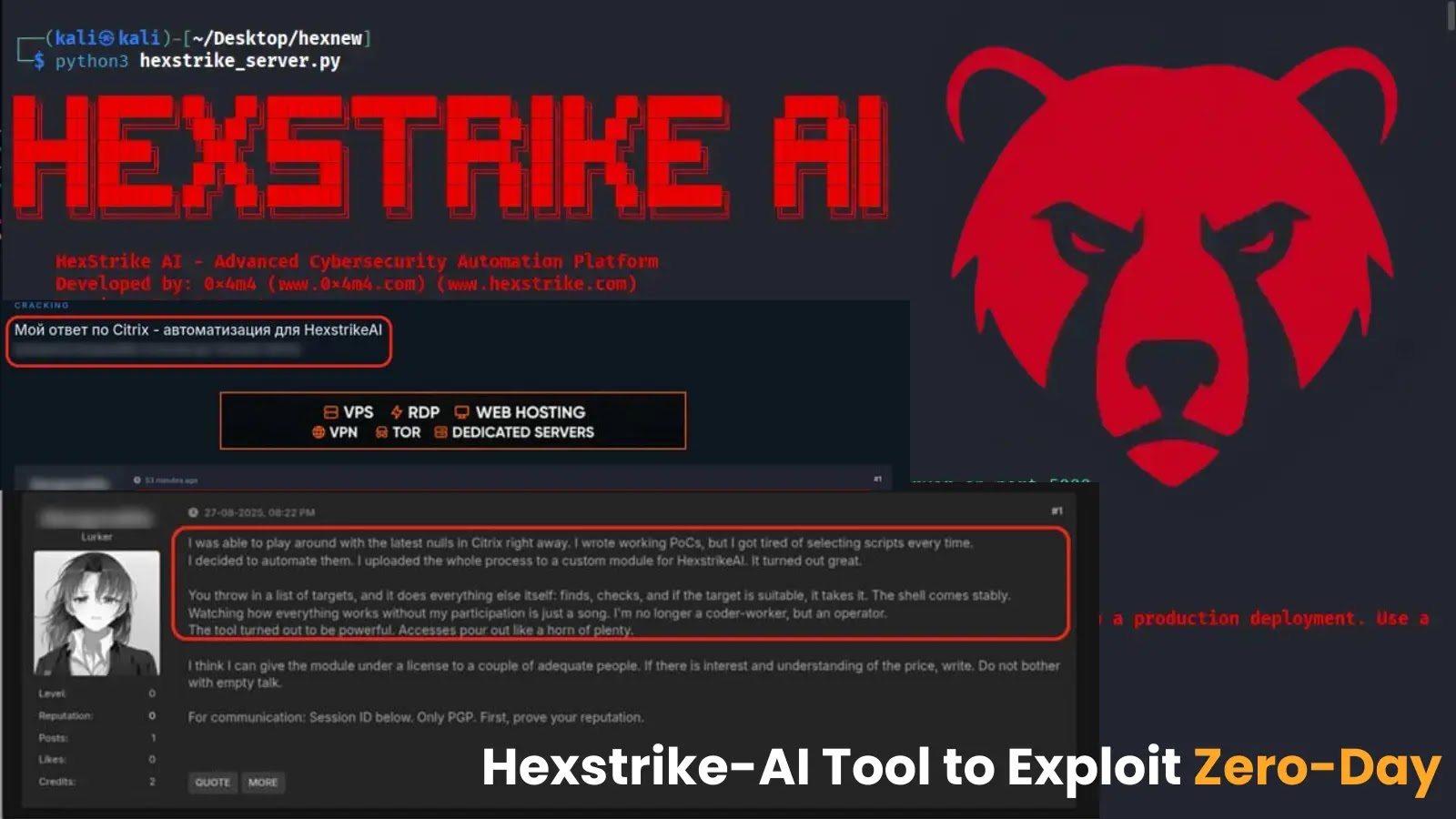
Hackers Leverage Hexstrike-AI Tool to Exploit Zero Day Vulnerabilities Within 10 Minutes Hackers Leverage Hexstrike-AI Tool to Exploit Zero Day Vulnerabilities Within 10 Minutes Cyber Security News
Threat Actors Leveraging RDP Credentials to Deploy Cephalus Ransomware Threat Actors Leveraging RDP Credentials to Deploy Cephalus Ransomware Cyber Security News
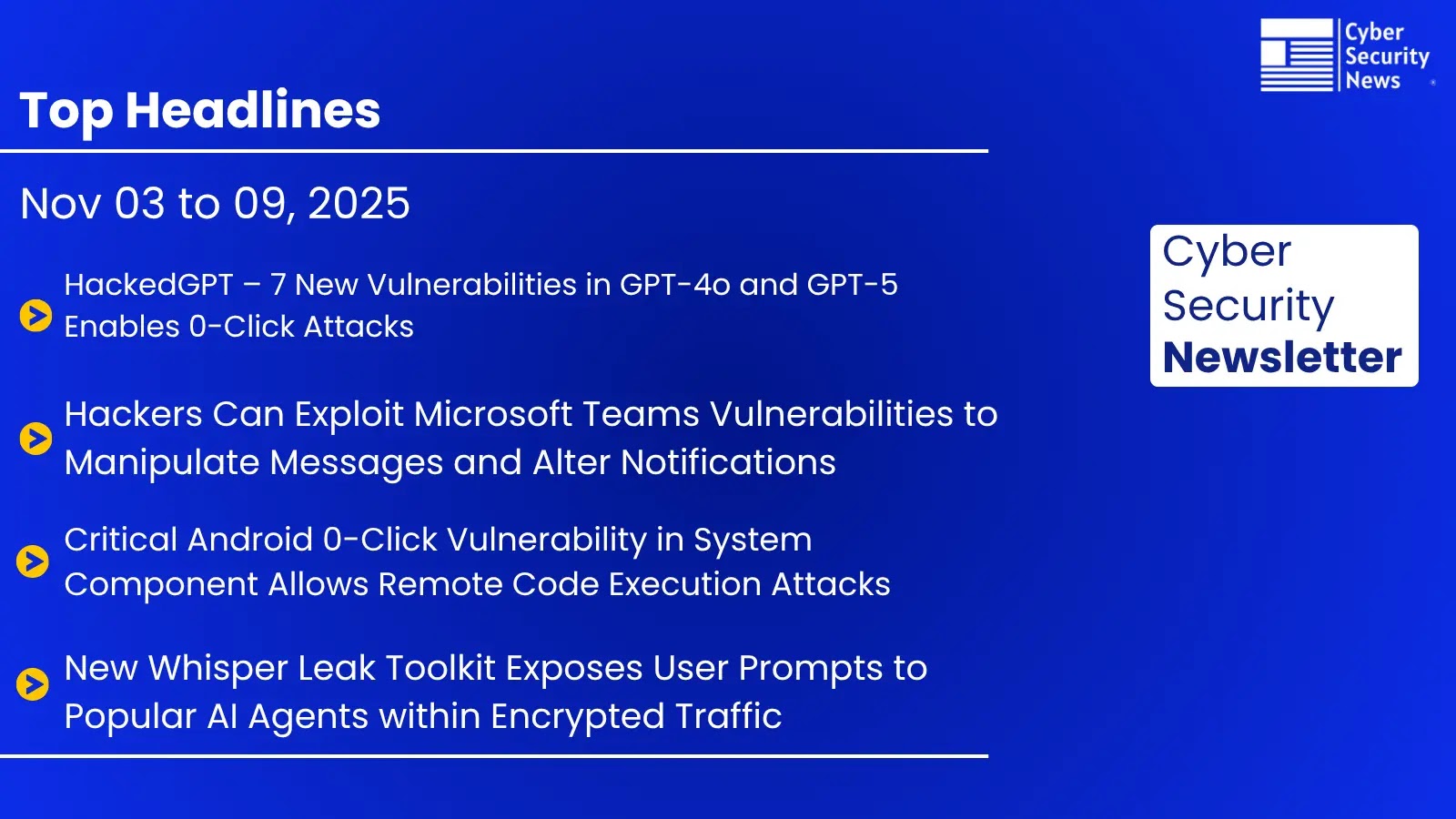
Cybersecurity News Weekly Newsletter – Android and Cisco 0-Day, Teams Flaws, HackedGPT, and Whisper Leak Cybersecurity News Weekly Newsletter – Android and Cisco 0-Day, Teams Flaws, HackedGPT, and Whisper Leak Cyber Security News
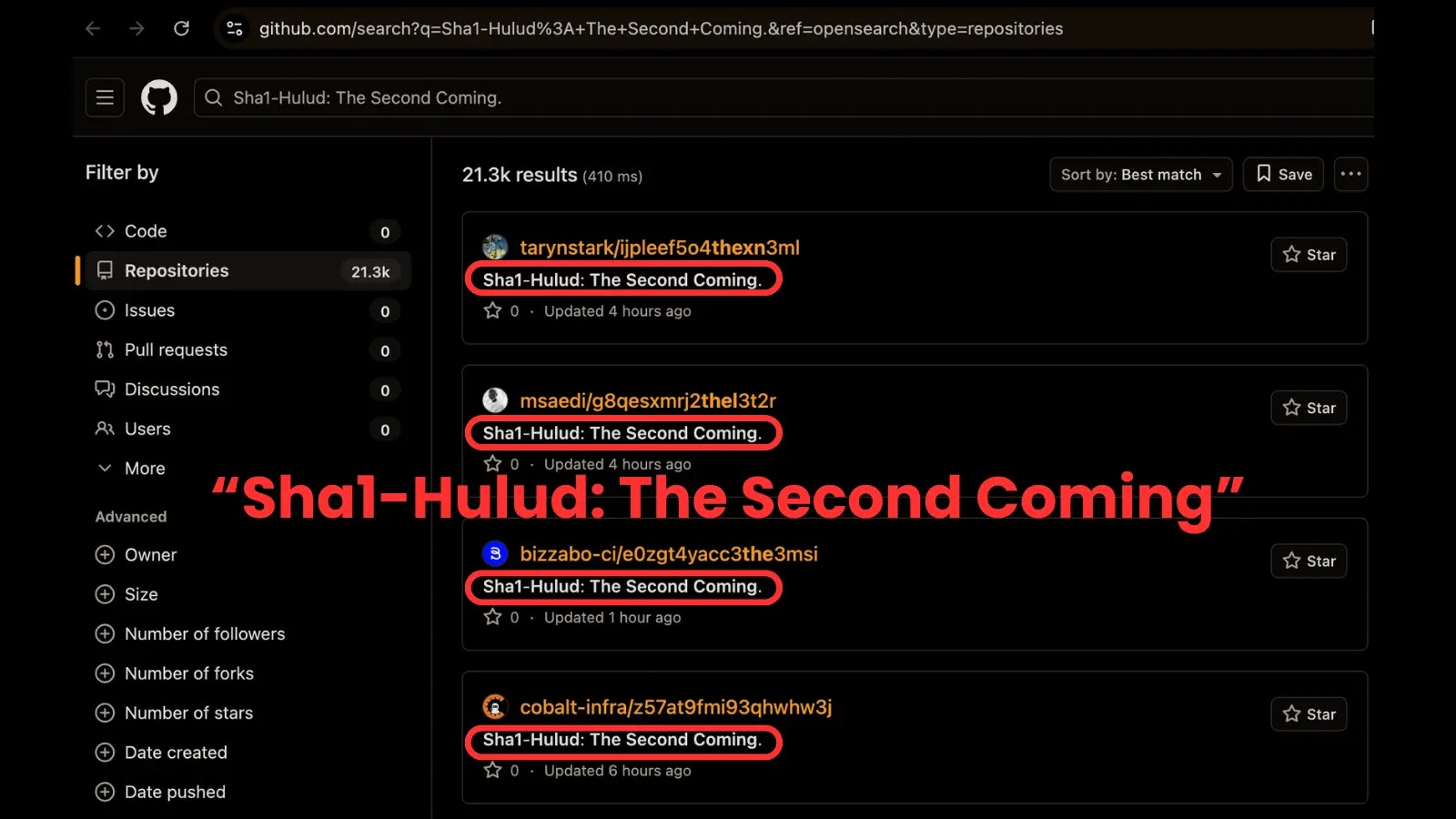
800+ npm Packages and Thousands of GitHub Repos Compromised 800+ npm Packages and Thousands of GitHub Repos Compromised Cyber Security News
Adversarial Machine Learning – Securing AI Models Adversarial Machine Learning – Securing AI Models Cyber Security News
Role of Threat Intelligence in Proactive Defense Strategies Role of Threat Intelligence in Proactive Defense Strategies Cyber Security News

Categories

  • Cyber Security News
  • How To?
  • Security Week News
  • The Hacker News

Recent Posts

  • North Korean Hackers Exploit AI for Enhanced Cyber Attacks
  • Cyber Threats Concealed by Compromised IoT Devices
  • 287 Chrome Extensions Breach Privacy of Millions
  • Managing Technical Debt in AI-Driven Software Development
  • NPM’s ‘duer-js’ Package Spreads Malware to Windows & Discord

Pages

  • About Us – Contact
  • Disclaimer
  • Privacy Policy
  • Terms and Rules

Archives

  • February 2026
  • January 2026
  • December 2025
  • November 2025
  • October 2025
  • September 2025
  • August 2025
  • July 2025
  • June 2025
  • May 2025

Recent Posts

  • North Korean Hackers Exploit AI for Enhanced Cyber Attacks
  • Cyber Threats Concealed by Compromised IoT Devices
  • 287 Chrome Extensions Breach Privacy of Millions
  • Managing Technical Debt in AI-Driven Software Development
  • NPM’s ‘duer-js’ Package Spreads Malware to Windows & Discord

Pages

  • About Us – Contact
  • Disclaimer
  • Privacy Policy
  • Terms and Rules

Categories

  • Cyber Security News
  • How To?
  • Security Week News
  • The Hacker News