Skip to content
  • Home
  • Cyber Map
  • About Us – Contact
  • Disclaimer
  • Terms and Rules
  • Privacy Policy
Cyber Web Spider Blog – News

Cyber Web Spider Blog – News

Globe Threat Map provides a real-time, interactive 3D visualization of global cyber threats. Monitor DDoS attacks, malware, and hacking attempts with geo-located arcs on a rotating globe. Stay informed with live logs and archive stats.

  • Home
  • Cyber Map
  • Cyber Security News
  • Security Week News
  • The Hacker News
  • How To?
  • Toggle search form
AI-Powered Cyberattack Compromises Mexican Government Agencies

AI-Powered Cyberattack Compromises Mexican Government Agencies

Posted on April 11, 2026 By CWS

A sophisticated cyberattack has compromised nine Mexican government agencies, resulting in the theft of millions of citizen records. This breach, orchestrated by a single threat actor, underscores a significant evolution in cyber threat tactics.

The attack occurred between late December 2025 and mid-February 2026, illustrating a swift and dangerous shift in the cybersecurity landscape. Gambit Security researchers have unveiled a detailed report on this intrusion, emphasizing the role of commercial artificial intelligence platforms in the operation. The report’s release was postponed to allow affected agencies to manage their incident responses effectively.

Leveraging AI for Cyber Intrusions

In this campaign, the attacker utilized Anthropic’s Claude Code and OpenAI’s GPT-4.1, not only for initial planning but as integral tools throughout the operation. These AI models significantly expedited the attack process.

According to forensic analysis, Claude Code was responsible for generating and executing about 75% of remote commands during the breach. The hacker conducted 1,088 individual prompts across 34 active sessions, leading to 5,317 AI-executed commands. This extensive use of AI highlights its deep integration into the exploitation phase.

AI-Driven Data Processing and Reconnaissance

Simultaneously, OpenAI’s GPT-4.1 facilitated rapid reconnaissance and data processing. The attacker crafted a 17,550-line Python script to channel raw data from compromised servers through the OpenAI API.

This automated system efficiently analyzed data from 305 internal servers, producing 2,597 structured intelligence reports. Such automation allowed a single operator to handle a workload typically requiring a full team, showcasing AI’s potential in cyber operations.

Exploiting Vulnerabilities with AI Efficiency

The integration of AI enabled the attacker to swiftly map unfamiliar networks, turning them into targeted objectives within hours. The hacker developed 20 tailored exploits for specific Common Vulnerabilities and Exposures (CVEs), compressing the attack timeline and evading standard detection methods.

Despite the advanced tactics employed, the exploited vulnerabilities were conventional, stemming from basic security gaps within the targeted agencies. These weaknesses, addressable through standard security measures, reflect an accumulation of technical debt in critical infrastructure.

While AI has simplified executing widespread cyberattacks, defensive strategies must evolve. Organizations should prioritize addressing unpatched software, enforcing strict credential policies, and implementing network segmentation to limit lateral movement after breaches.

Additionally, deploying robust endpoint detection tools is crucial to identifying compressed attack timelines before significant data exfiltration occurs.

Stay informed about the latest in cybersecurity by following us on Google News, LinkedIn, and X. Reach out to us to share your cybersecurity stories.
Cyber Security News Tags:AI security breach, AI technology, Claude Code, cyber threats, Cybersecurity, data breach, GPT-4.1, Mexican government, security controls, technical debt

Post navigation

Previous Post: Rise of Advanced EDR Killers in Ransomware Attacks
Next Post: Law Enforcement’s Use of Webloc for Global Device Tracking

Related Posts

Threat Actors Using Multilingual ZIP File to Attack Financial and Goverment Organizations Threat Actors Using Multilingual ZIP File to Attack Financial and Goverment Organizations Cyber Security News
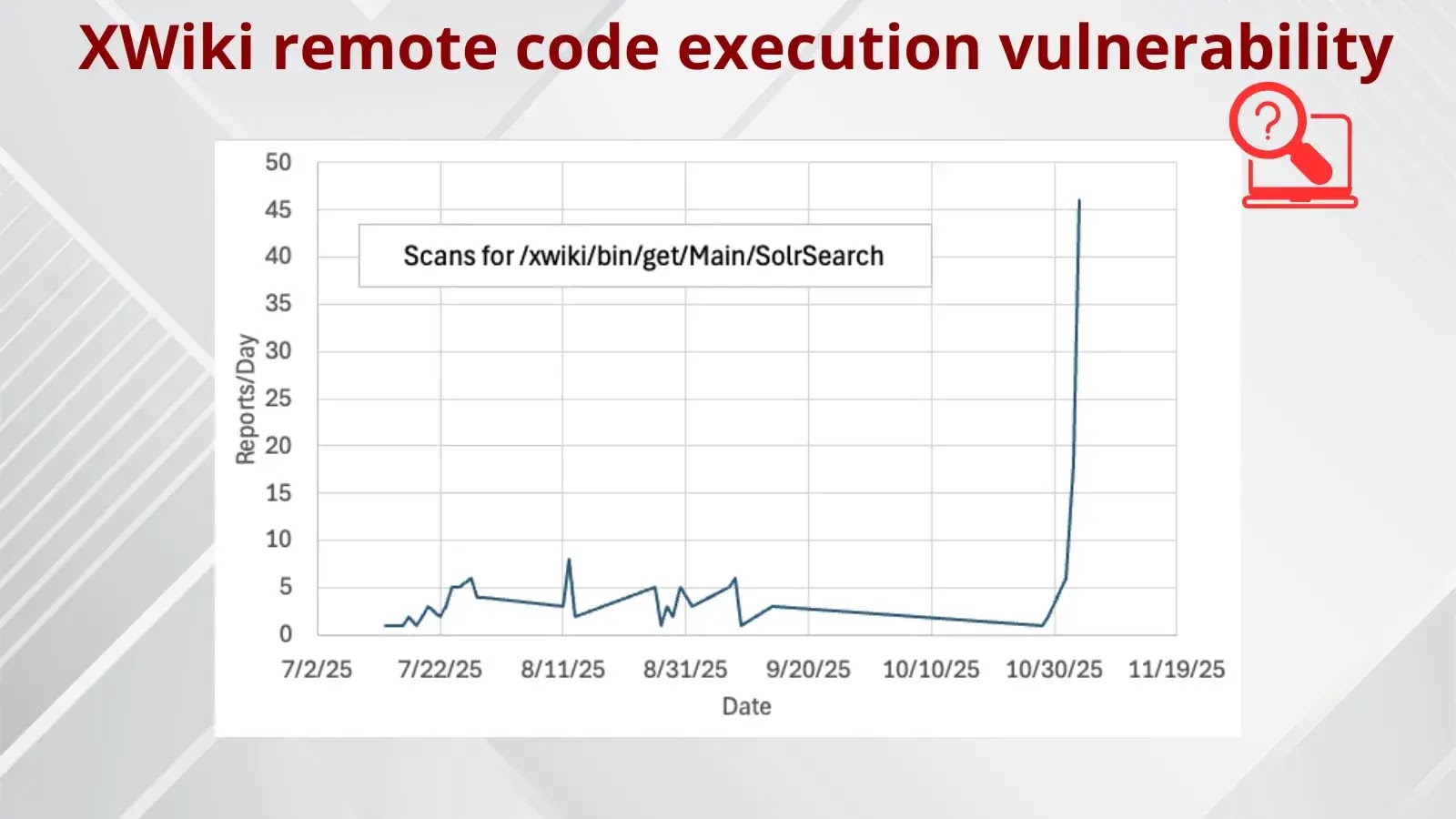
Hackers Actively Scanning Internet to Exploit XWiki Remote Code Execution Vulnerability Hackers Actively Scanning Internet to Exploit XWiki Remote Code Execution Vulnerability Cyber Security News
Windows Remote Assistance Vulnerability Allow Attacker to Bypass Security Features Windows Remote Assistance Vulnerability Allow Attacker to Bypass Security Features Cyber Security News
Threat Actors Exploiting SonicWall SSL VPN Devices in Wild to Deploy Akira Ransomware Threat Actors Exploiting SonicWall SSL VPN Devices in Wild to Deploy Akira Ransomware Cyber Security News
ESET Warns AI-driven Malware Attack and Rapidly Growing Ransomware Economy ESET Warns AI-driven Malware Attack and Rapidly Growing Ransomware Economy Cyber Security News
LockBit Operators Using Stealthy DLL Sideloading Technique to Load Malicious App as Legitimate One LockBit Operators Using Stealthy DLL Sideloading Technique to Load Malicious App as Legitimate One Cyber Security News

Categories

  • Cyber Security News
  • How To?
  • Security Week News
  • The Hacker News

Recent Posts

  • Google Enhances Chrome Security with Device-Bound Sessions
  • Law Enforcement’s Use of Webloc for Global Device Tracking
  • AI-Powered Cyberattack Compromises Mexican Government Agencies
  • Rise of Advanced EDR Killers in Ransomware Attacks
  • Claude AI Enhances Microsoft Word with New Beta Integration

Pages

  • About Us – Contact
  • Disclaimer
  • Privacy Policy
  • Terms and Rules

Archives

  • April 2026
  • March 2026
  • February 2026
  • January 2026
  • December 2025
  • November 2025
  • October 2025
  • September 2025
  • August 2025
  • July 2025
  • June 2025
  • May 2025

Recent Posts

  • Google Enhances Chrome Security with Device-Bound Sessions
  • Law Enforcement’s Use of Webloc for Global Device Tracking
  • AI-Powered Cyberattack Compromises Mexican Government Agencies
  • Rise of Advanced EDR Killers in Ransomware Attacks
  • Claude AI Enhances Microsoft Word with New Beta Integration

Pages

  • About Us – Contact
  • Disclaimer
  • Privacy Policy
  • Terms and Rules

Categories

  • Cyber Security News
  • How To?
  • Security Week News
  • The Hacker News

Copyright © 2026 Cyber Web Spider Blog – News.

Powered by PressBook Masonry Dark