Skip to content
  • Home
  • Cyber Map
  • About Us – Contact
  • Disclaimer
  • Terms and Rules
  • Privacy Policy
Cyber Web Spider Blog – News

Cyber Web Spider Blog – News

Globe Threat Map provides a real-time, interactive 3D visualization of global cyber threats. Monitor DDoS attacks, malware, and hacking attempts with geo-located arcs on a rotating globe. Stay informed with live logs and archive stats.

  • Home
  • Cyber Map
  • Cyber Security News
  • Security Week News
  • The Hacker News
  • How To?
  • Toggle search form
Microsoft to Restrict Windows 11 Auto Installs Due to RCE Flaw

Microsoft to Restrict Windows 11 Auto Installs Due to RCE Flaw

Posted on March 16, 2026 By CWS

Microsoft is enacting a phased strategy to disable automated installations in Windows Deployment Services (WDS) after identifying a critical remote code execution (RCE) vulnerability, known as CVE-2026-0386. This decision impacts Windows 11 and Server 2025 deployments.

Understanding the Vulnerability

The vulnerability stems from inadequate access control, allowing attackers on nearby networks to intercept sensitive files and execute unauthorized code during network-based operating system installs. WDS, a server role, facilitates remote deployment of Windows OS, typically using PXE boot protocols.

The hands-free deployment feature, crucial for enterprises deploying large numbers of machines, uses an Unattend.xml file for automated installation, bypassing manual input. The flaw in this system exposes the file over an unauthenticated channel, posing significant risks.

Implications of CVE-2026-0386

Published on January 13, 2026, this vulnerability allows attackers to gain SYSTEM-level access, move laterally within networks, and potentially corrupt OS deployment images. This presents a supply chain risk, especially in enterprise environments, as confirmed by Microsoft.

The flaw affects various Windows Server versions from 2008 to 2025, including 2016, 2019, 2022, and 23H2, with a CVSS v3.1 score indicating high impact on confidentiality, integrity, and availability.

Mitigation Timeline and Recommendations

Microsoft’s mitigation plan unfolds in two phases. Initially, hands-free deployment will remain active, but administrators can disable it using new registry controls. By April 2026, this feature will be disabled by default unless previously configured.

Administrators are advised to review WDS settings for Unattend.xml usage, apply the latest security updates, and consider alternative deployment methods like Microsoft Intune or Windows Autopilot, which remain unaffected by this flaw.

To ensure security, Microsoft recommends setting the registry to disallow hands-free functionality and monitoring logs for any security warnings. Further details and guidance can be found in Microsoft’s KB article 5074952.

For ongoing updates in cybersecurity, follow Microsoft on platforms like Google News, LinkedIn, and X, and consider integrating new stories into your security protocols.
Cyber Security News Tags:CVE-2026-0386, enterprise IT, IT deployment, Microsoft, network security, PXE boot, RCE vulnerability, remote code execution, security update, supply chain risk, system security, WDS, Windows 11, Windows Server

Post navigation

Previous Post: Meta to Cease Instagram E2EE Messaging by 2026
Next Post: Android 17 Enhances Security by Limiting Accessibility API Access

Related Posts

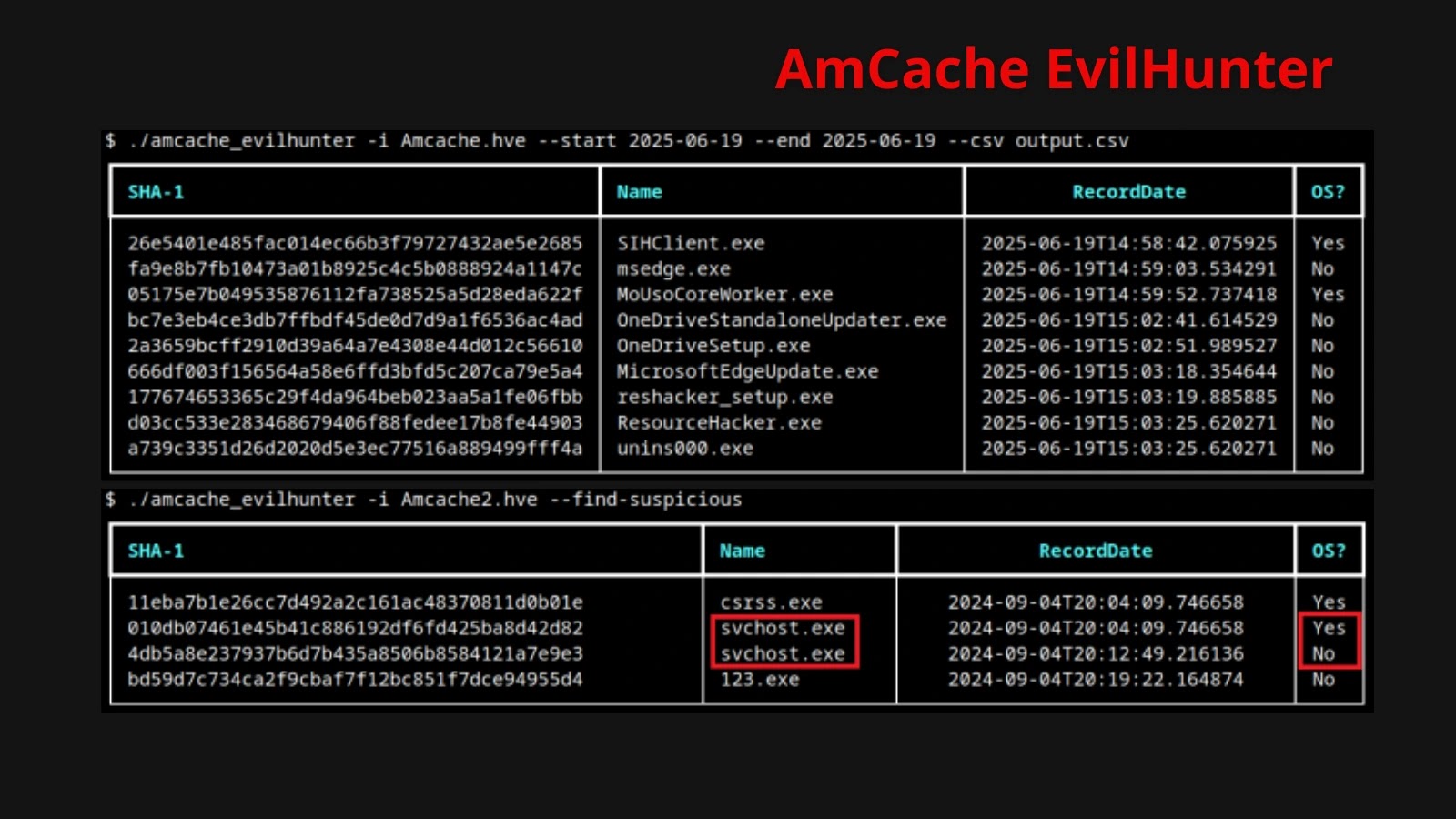
New AmCache EvilHunter Tool For Detecting Malicious Activities in Windows Systems New AmCache EvilHunter Tool For Detecting Malicious Activities in Windows Systems Cyber Security News
Microsoft Defender for Endpoint Bug Triggers Numerous False BIOS Alerts Microsoft Defender for Endpoint Bug Triggers Numerous False BIOS Alerts Cyber Security News
Users Report Teams and Access Issues Users Report Teams and Access Issues Cyber Security News
Researchers Unmasked Russia’s Most Secretive FSB’s Spy Network Researchers Unmasked Russia’s Most Secretive FSB’s Spy Network Cyber Security News
New KimJongRAT Stealer Using Weaponized LNK File to Deploy Powershell Based Dropper New KimJongRAT Stealer Using Weaponized LNK File to Deploy Powershell Based Dropper Cyber Security News
Cloudflare Confirms Recent 1.1.1.1 DNS Outage Caused by BGP Attack or Hijack Cloudflare Confirms Recent 1.1.1.1 DNS Outage Caused by BGP Attack or Hijack Cyber Security News

Categories

  • Cyber Security News
  • How To?
  • Security Week News
  • The Hacker News

Recent Posts

  • Critical Chrome 0-Day Flaws Demand Immediate Action
  • Phishing Scams Exploit LiveChat to Extract User Data
  • Researchers Unveil Vulnerability in Palo Alto’s Cortex XDR
  • CISA Identifies Exploited Wing FTP Vulnerability
  • RondoDox Botnet’s Expansive Exploit Arsenal and IP Tactics

Pages

  • About Us – Contact
  • Disclaimer
  • Privacy Policy
  • Terms and Rules

Archives

  • March 2026
  • February 2026
  • January 2026
  • December 2025
  • November 2025
  • October 2025
  • September 2025
  • August 2025
  • July 2025
  • June 2025
  • May 2025

Recent Posts

  • Critical Chrome 0-Day Flaws Demand Immediate Action
  • Phishing Scams Exploit LiveChat to Extract User Data
  • Researchers Unveil Vulnerability in Palo Alto’s Cortex XDR
  • CISA Identifies Exploited Wing FTP Vulnerability
  • RondoDox Botnet’s Expansive Exploit Arsenal and IP Tactics

Pages

  • About Us – Contact
  • Disclaimer
  • Privacy Policy
  • Terms and Rules

Categories

  • Cyber Security News
  • How To?
  • Security Week News
  • The Hacker News