Skip to content
  • Home
  • Cyber Map
  • About Us – Contact
  • Disclaimer
  • Terms and Rules
  • Privacy Policy
Cyber Web Spider Blog – News

Cyber Web Spider Blog – News

Globe Threat Map provides a real-time, interactive 3D visualization of global cyber threats. Monitor DDoS attacks, malware, and hacking attempts with geo-located arcs on a rotating globe. Stay informed with live logs and archive stats.

  • Home
  • Cyber Map
  • Cyber Security News
  • Security Week News
  • The Hacker News
  • How To?
  • Toggle search form
MioLab Infostealer: Advanced Threat to macOS Users

MioLab Infostealer: Advanced Threat to macOS Users

Posted on March 23, 2026 By CWS

In recent developments within cybersecurity, the MioLab infostealer, also known as Nova, has emerged as a sophisticated Malware-as-a-Service (MaaS) platform, primarily targeting macOS users. Advertised on Russian underground forums, MioLab signifies a pivotal shift, indicating that macOS is increasingly becoming a lucrative target for cybercriminals.

The Growing Threat to Apple Users

As Apple products gain popularity among software developers and cryptocurrency investors, macOS devices are now seen as valuable targets. MioLab exemplifies this shift with its lightweight C payload, designed to evade traditional antivirus detection. Supporting multiple architectures, it operates seamlessly across various macOS versions, from Sierra to Tahoe.

The malware’s capabilities are extensive, including the theft of browser credentials, draining cryptocurrency wallets, and collecting passwords and files. A premium add-on even targets hardware wallets like Ledger and Trezor, aiming to extract 24-word recovery phrases.

Rapid Evolution and Advanced Features

According to LevelBlue analysts, MioLab’s rapid development is notable, with frequent updates enhancing its threat level. Recent upgrades include a revamped hardware wallet extraction module, decryption of Apple Notes, and a Safari cookie grabber. These features are complemented by a comprehensive Team API, enabling organized cybercriminal groups to automate tasks and manage stolen data efficiently.

The platform’s integration with Telegram bots further supports real-time victim notifications, underscoring its appeal to cybercriminal affiliates.

Infection Techniques and Defense Strategies

One of MioLab’s most concerning innovations is the ClickFix delivery method, which employs social engineering to trick users into executing malicious commands in their Terminal. This technique is cleverly disguised through fake CAPTCHA pages or cloned developer sites, targeting developers familiar with command-line operations.

Security measures against MioLab include educating users to be wary of unexpected password prompts and enforcing monitoring of sensitive system utilities. Blocking known malicious domains and scrutinizing suspicious network activities are crucial steps in mitigating risks associated with this malware.

As cybersecurity threats continue to evolve, keeping abreast of such developments and implementing robust security practices is imperative for both individuals and organizations.


Cyber Security News Tags:Apple, ClickFix, Cryptocurrency, Cybersecurity, data theft, InfoStealer, MaaS, macOS security, Malware, malware-as-a-service, MioLab

Post navigation

Previous Post: Trio-Tech Subsidiary Faces Ransomware Attack Impact
Next Post: Malvertising Campaign Exploits Tax Season with EDR Attacks

Related Posts

Russian Hackers Leverage Oracle Cloud Infrastructure to Scaleway Object Storage Russian Hackers Leverage Oracle Cloud Infrastructure to Scaleway Object Storage Cyber Security News
Microsoft Investigation Teams text-to-speech Functionality Issue Impacting Users Microsoft Investigation Teams text-to-speech Functionality Issue Impacting Users Cyber Security News
New CrushFTP 0-Day Vulnerability Exploited in the Wild to Gain Access to Servers New CrushFTP 0-Day Vulnerability Exploited in the Wild to Gain Access to Servers Cyber Security News
Fake Zoom Website Exploits 1,437 Users with Spyware Fake Zoom Website Exploits 1,437 Users with Spyware Cyber Security News
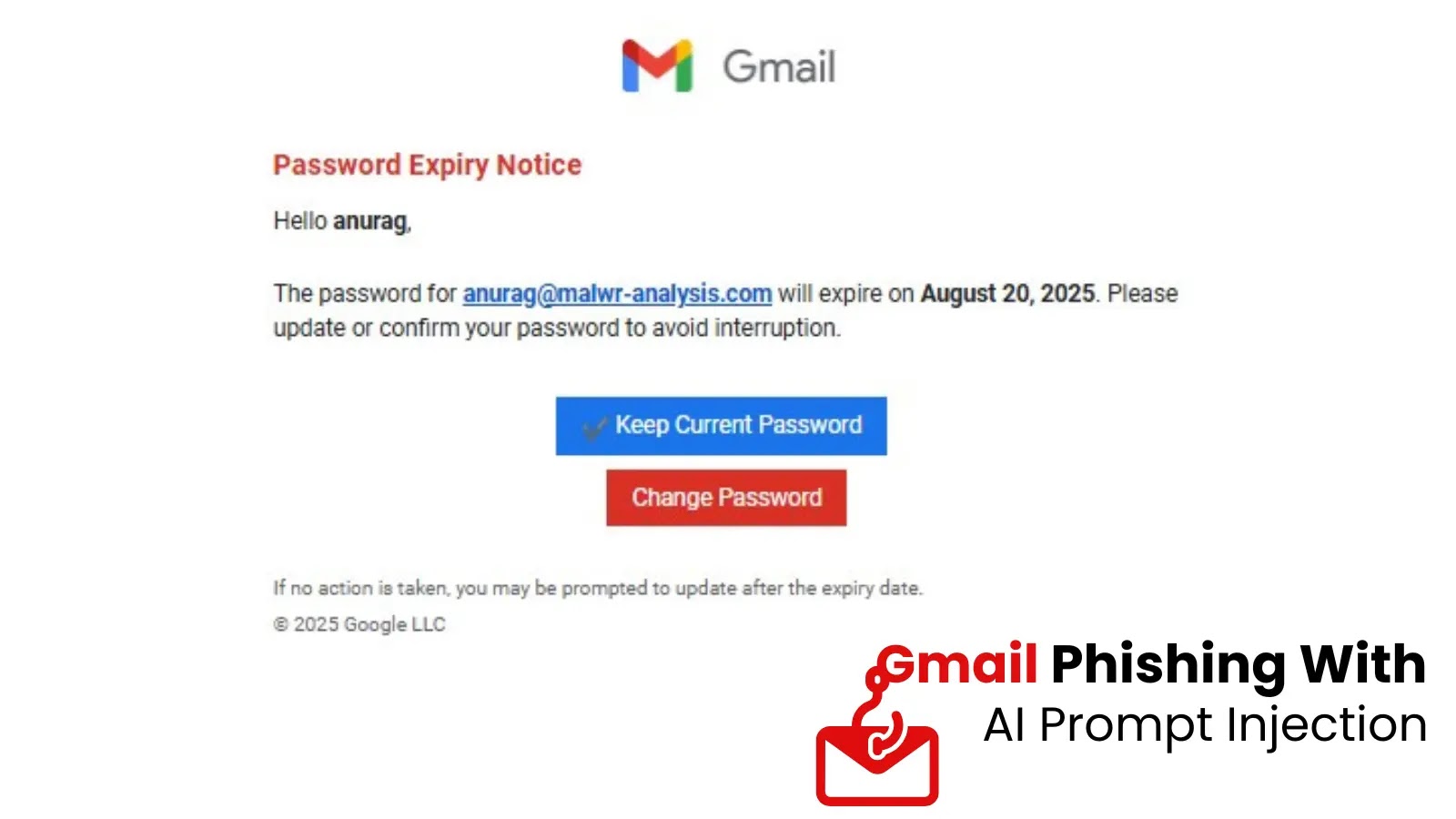
New Gmail Phishing Attack Uses AI Prompt Injection to Evade Detection New Gmail Phishing Attack Uses AI Prompt Injection to Evade Detection Cyber Security News
287 Chrome Extensions Breach Privacy of Millions 287 Chrome Extensions Breach Privacy of Millions Cyber Security News

Categories

  • Cyber Security News
  • How To?
  • Security Week News
  • The Hacker News

Recent Posts

  • North Korean Hackers Exploit VS Code for New Malware
  • Malvertising Campaign Exploits Tax Season with EDR Attacks
  • MioLab Infostealer: Advanced Threat to macOS Users
  • Trio-Tech Subsidiary Faces Ransomware Attack Impact
  • Libyan Refinery Faces Espionage via AsyncRAT Campaign

Pages

  • About Us – Contact
  • Disclaimer
  • Privacy Policy
  • Terms and Rules

Archives

  • March 2026
  • February 2026
  • January 2026
  • December 2025
  • November 2025
  • October 2025
  • September 2025
  • August 2025
  • July 2025
  • June 2025
  • May 2025

Recent Posts

  • North Korean Hackers Exploit VS Code for New Malware
  • Malvertising Campaign Exploits Tax Season with EDR Attacks
  • MioLab Infostealer: Advanced Threat to macOS Users
  • Trio-Tech Subsidiary Faces Ransomware Attack Impact
  • Libyan Refinery Faces Espionage via AsyncRAT Campaign

Pages

  • About Us – Contact
  • Disclaimer
  • Privacy Policy
  • Terms and Rules

Categories

  • Cyber Security News
  • How To?
  • Security Week News
  • The Hacker News

Copyright © 2026 Cyber Web Spider Blog – News.

Powered by PressBook Masonry Dark