Skip to content
  • Home
  • Cyber Map
  • About Us – Contact
  • Disclaimer
  • Terms and Rules
  • Privacy Policy
Cyber Web Spider Blog – News

Cyber Web Spider Blog – News

Globe Threat Map provides a real-time, interactive 3D visualization of global cyber threats. Monitor DDoS attacks, malware, and hacking attempts with geo-located arcs on a rotating globe. Stay informed with live logs and archive stats.

  • Home
  • Cyber Map
  • Cyber Security News
  • Security Week News
  • The Hacker News
  • How To?
  • Toggle search form
Qihoo 360’s SSL Key Leak: Major Security Breach

Qihoo 360’s SSL Key Leak: Major Security Breach

Posted on March 16, 2026 By CWS

China’s leading cybersecurity company, Qihoo 360, has encountered a significant security lapse by inadvertently embedding its wildcard SSL private key within the installer of its latest AI assistant, 360Qihoo, also known as Security Claw. This critical error was identified on March 16, 2026, and underscores an operational security misstep by a firm entrusted by over 461 million users worldwide.

Discovery of the Security Breach

Security Claw, which is built on the OpenClaw browser framework, contained this vulnerability within its installation package. Lukasz Olejnik, who scrutinized the installer, discovered the unprotected private key nestled in the directory structure. This key, located at /path/to/namiclaw/components/Openclaw/openclaw.7z/credentials, was found to be a live, production-grade wildcard TLS private key.

The certificate associated with this key was issued by WoTrus CA Limited and applied to all subdomains under myclaw[.]360[.]cn. Verifications showed that the certificate and its key matched, confirming their cryptographic relationship. The certificate’s validity spanned from March 12, 2026, to April 12, 2027.

Implications of the Leak

The exposure of an SSL/TLS private key is a severe security threat, potentially enabling various high-stakes attacks. These include man-in-the-middle attacks, server impersonation, credential harvesting, and AI session hijacking, which could affect the entire infrastructure under the myclaw[.]360[.]cn domain. The ramifications of such a compromise are vast, as the key’s coverage extended across all related subdomains.

Despite the certificate’s reported revocation following its public reveal, the OCSP caching behavior might lead some clients to still receive a valid status due to cached responses. This means that the revocation’s effectiveness is neither immediate nor absolute.

Reputation and Industry Impact

This incident is particularly damaging given the timing. Qihoo 360’s founder had recently assured the public of the platform’s security robustness, promising no password leaks. Unfortunately, this assurance was compromised on the very first day of the product’s launch. Qihoo 360, a company valued at $10 billion with a strong security-centric reputation, now faces scrutiny over its secure software development practices.

Such a fundamental security oversight is a stark reminder of the industry’s need for rigorous security protocols. Organizations like Qihoo 360 often warn clients against such lapses, making this incident a significant setback in maintaining consumer trust. For ongoing updates on cybersecurity, follow us on Google News, LinkedIn, and X. Contact us for more insights and stories.


Cyber Security News Tags:AI assistant, credential harvesting, Cybersecurity, man-in-the-middle attack, Qihoo 360, security breach, security flaw, server impersonation, SSL key leak, TLS

Post navigation

Previous Post: AI-Driven Malware ‘Slopoly’ Fuels Hive0163 Ransomware
Next Post: Fake FileZilla Sites Distribute Remote Access Trojan

Related Posts

Hackers Registered 2,000+ Fake Holiday-Themed Online Stores to Steal User Payments Hackers Registered 2,000+ Fake Holiday-Themed Online Stores to Steal User Payments Cyber Security News
PoC Exploit Released for Use-After-Free Vulnerability in Linux Kernel’s POSIX CPU Timers Implementation PoC Exploit Released for Use-After-Free Vulnerability in Linux Kernel’s POSIX CPU Timers Implementation Cyber Security News
New OAuth-Based Attack Let Hackers Bypass Microsoft Entra Authentication Flows to Steal Keys New OAuth-Based Attack Let Hackers Bypass Microsoft Entra Authentication Flows to Steal Keys Cyber Security News
Hackers Leverage Evilginx to Undermine MFA Security Mimicking Legitimate SSO Sites Hackers Leverage Evilginx to Undermine MFA Security Mimicking Legitimate SSO Sites Cyber Security News
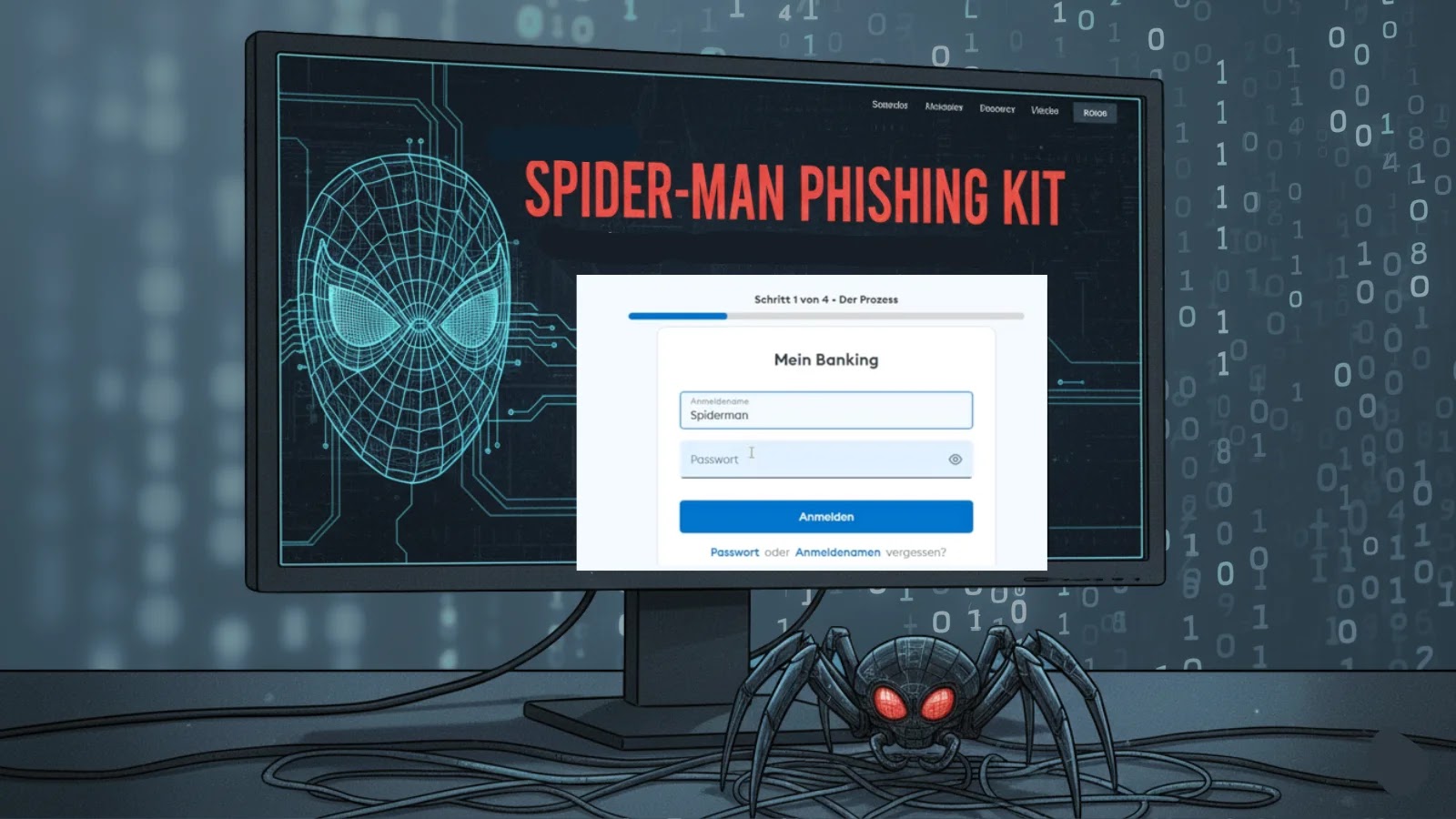
New Spiderman Phishing Kit Lets Attackers Create Malicious Bank Login Pages in Few Clicks New Spiderman Phishing Kit Lets Attackers Create Malicious Bank Login Pages in Few Clicks Cyber Security News
Attacker Context and Historical iOS Zero-Click Similarities Attacker Context and Historical iOS Zero-Click Similarities Cyber Security News

Categories

  • Cyber Security News
  • How To?
  • Security Week News
  • The Hacker News

Recent Posts

  • Apple Patches WebKit Flaw in iOS and macOS
  • Critical Vulnerability in Ubuntu Allows Root Access
  • Critical Telnetd Security Flaw Allows Remote Code Execution
  • Vishing Attack Exploits Microsoft Teams for Quick Assist Breach
  • SEO Manipulation and Trojans Used to Steal VPN Credentials

Pages

  • About Us – Contact
  • Disclaimer
  • Privacy Policy
  • Terms and Rules

Archives

  • March 2026
  • February 2026
  • January 2026
  • December 2025
  • November 2025
  • October 2025
  • September 2025
  • August 2025
  • July 2025
  • June 2025
  • May 2025

Recent Posts

  • Apple Patches WebKit Flaw in iOS and macOS
  • Critical Vulnerability in Ubuntu Allows Root Access
  • Critical Telnetd Security Flaw Allows Remote Code Execution
  • Vishing Attack Exploits Microsoft Teams for Quick Assist Breach
  • SEO Manipulation and Trojans Used to Steal VPN Credentials

Pages

  • About Us – Contact
  • Disclaimer
  • Privacy Policy
  • Terms and Rules

Categories

  • Cyber Security News
  • How To?
  • Security Week News
  • The Hacker News

Copyright © 2026 Cyber Web Spider Blog – News.

Powered by PressBook Masonry Dark