Skip to content
  • Home
  • Cyber Map
  • About Us – Contact
  • Disclaimer
  • Terms and Rules
  • Privacy Policy
Cyber Web Spider Blog – News

Cyber Web Spider Blog – News

Globe Threat Map provides a real-time, interactive 3D visualization of global cyber threats. Monitor DDoS attacks, malware, and hacking attempts with geo-located arcs on a rotating globe. Stay informed with live logs and archive stats.

  • Home
  • Cyber Map
  • Cyber Security News
  • Security Week News
  • The Hacker News
  • How To?
  • Toggle search form
Remote Code Execution Risk in Telnetd Impacts Security

Remote Code Execution Risk in Telnetd Impacts Security

Posted on March 18, 2026 By CWS

A newly identified critical vulnerability in the GNU Inetutils telnetd daemon, designated as CVE-2026-32746, poses significant security risks by allowing unauthorized remote attackers to execute arbitrary code with root privileges.

The Impact of the Vulnerability

This buffer overflow issue can be exploited by attackers with no need for user intervention, heightening its danger. Dream Security Research highlights the flaw’s origin in the telnetd daemon’s management of the LINEMODE SLC (Set Local Characters) option negotiation.

By sending a meticulously crafted message during the initial connection phase, attackers can launch a buffer overflow, bypassing the need for authentication credentials. The GNU Inetutils team was informed about this threat on March 11, 2026, and has since verified the vulnerability, though a patch release is anticipated only by April 1, 2026.

Threat to Legacy Systems

Despite the prevalence of SSH, Telnet remains in use within Industrial Control Systems (ICS), operational technology (OT), and some government sectors due to its integration with older technologies like programmable logic controllers (PLCs) and SCADA systems. These systems often rely on Telnet for remote management, making them susceptible to exploitation.

The cost and complexity of upgrading such systems often result in prolonged exposure to potential attacks. Successful exploitation of the telnetd service, typically operating with root access via inetd or xinetd, can lead to complete system compromise, enabling attackers to establish persistent backdoors or exfiltrate sensitive data.

Immediate Protective Measures

Given the absence of an official patch, immediate defensive measures are vital. Disabling the telnetd service entirely is highly recommended. If operational needs require it to remain active, restricting access through perimeter firewall configuration to trusted hosts only is essential.

Additionally, running telnetd with limited privileges can mitigate potential damage from successful exploits. Standard authentication logs will not detect these attacks, necessitating reliance on network-level logging and packet analysis.

Organizations should establish firewall rules to monitor all connections to port 23 and configure Intrusion Detection Systems (IDS) to flag LINEMODE SLC suboptions with unusually large payloads exceeding 90 bytes. Centralized SIEM systems should be used to manage logs, safeguarding forensic evidence from tampering post-compromise.

Follow us on Google News, LinkedIn, and X for the latest cybersecurity updates. Contact us to share your stories.


Cyber Security News Tags:CVE-2026-32746, cyber defense, Cybersecurity, Dream Security Research, Firewall, GNU Inetutils, industrial control systems, intrusion detection, network security, remote code execution, root access, SCADA, security vulnerability, system compromise, telnetd

Post navigation

Previous Post: Mesh CSMA: Breaking Attack Paths to Sensitive Data
Next Post: Understanding Magecart Threats in Web Supply Chains

Related Posts

TP-Link Archer Vulnerability Let Attackers Take Control Over the Router TP-Link Archer Vulnerability Let Attackers Take Control Over the Router Cyber Security News
New Wave of Crypto-Hijacking Infects 3,500+ Websites New Wave of Crypto-Hijacking Infects 3,500+ Websites Cyber Security News
Attackers Hijacked 200+ Websites Exploiting Magento Vulnerability to Gain Root-level Access Attackers Hijacked 200+ Websites Exploiting Magento Vulnerability to Gain Root-level Access Cyber Security News
Hackers Can Exploit Microsoft Teams Vulnerabilities to Manipulate Messages and Alter Notifications Hackers Can Exploit Microsoft Teams Vulnerabilities to Manipulate Messages and Alter Notifications Cyber Security News
XLoader Malware Analyzed Using ChatGPT’s, Breaks RC4 Encryption Layers in Hours XLoader Malware Analyzed Using ChatGPT’s, Breaks RC4 Encryption Layers in Hours Cyber Security News
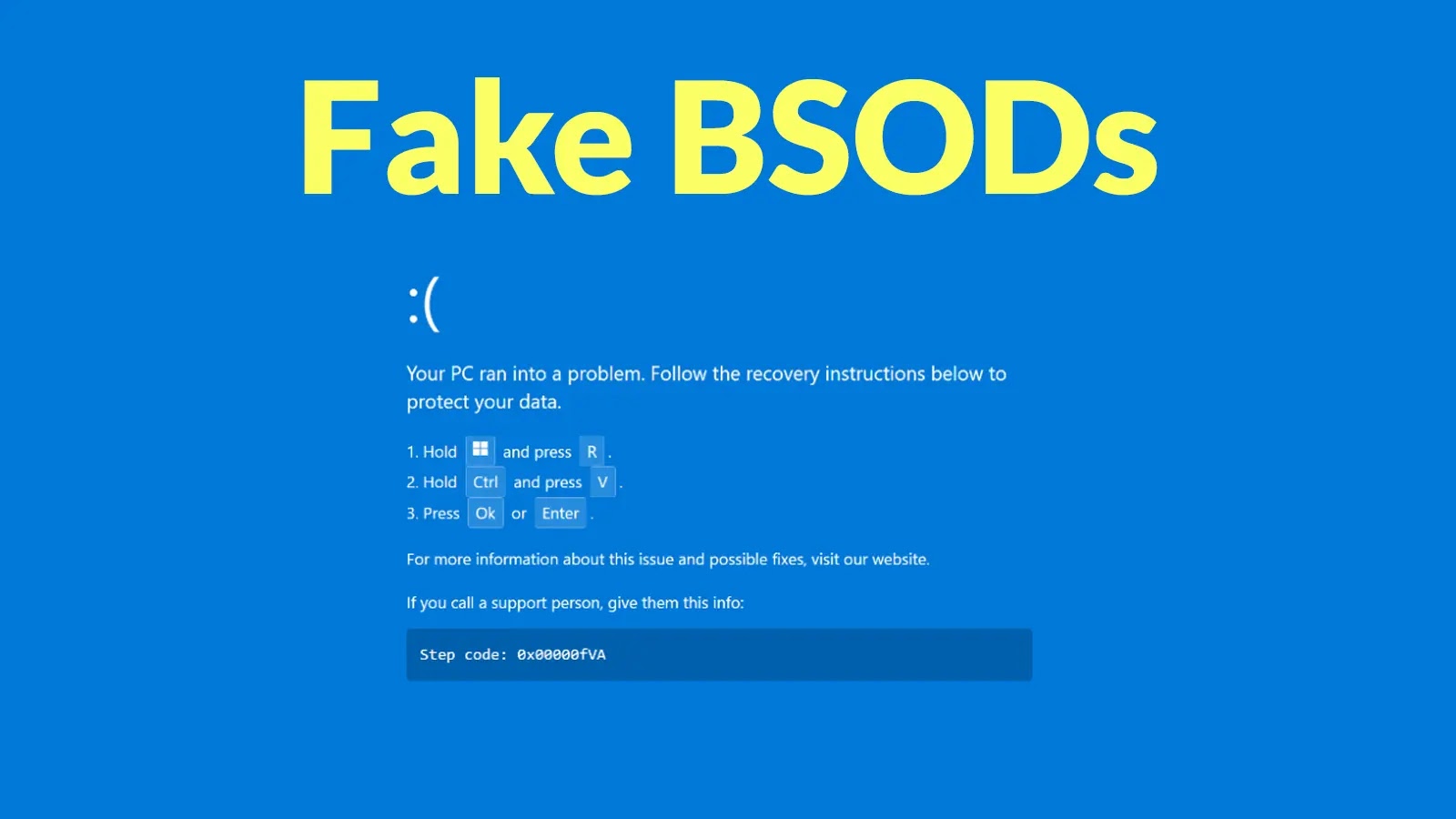
Threat Actors Fake BSODs and Trusted Build Tools to Bypass Defenses and Deploy DCRat Threat Actors Fake BSODs and Trusted Build Tools to Bypass Defenses and Deploy DCRat Cyber Security News

Categories

  • Cyber Security News
  • How To?
  • Security Week News
  • The Hacker News

Recent Posts

  • AI in SaaS: Uncovering Hidden Risks and Security Challenges
  • Nine IP KVM Flaws Risk Unauthorized Root Access
  • ForceMemo Malware Compromises GitHub Python Repositories
  • Iranian Hackers Exploit Stolen Credentials in Stryker Cyberattack
  • Understanding Magecart Threats in Web Supply Chains

Pages

  • About Us – Contact
  • Disclaimer
  • Privacy Policy
  • Terms and Rules

Archives

  • March 2026
  • February 2026
  • January 2026
  • December 2025
  • November 2025
  • October 2025
  • September 2025
  • August 2025
  • July 2025
  • June 2025
  • May 2025

Recent Posts

  • AI in SaaS: Uncovering Hidden Risks and Security Challenges
  • Nine IP KVM Flaws Risk Unauthorized Root Access
  • ForceMemo Malware Compromises GitHub Python Repositories
  • Iranian Hackers Exploit Stolen Credentials in Stryker Cyberattack
  • Understanding Magecart Threats in Web Supply Chains

Pages

  • About Us – Contact
  • Disclaimer
  • Privacy Policy
  • Terms and Rules

Categories

  • Cyber Security News
  • How To?
  • Security Week News
  • The Hacker News

Copyright © 2026 Cyber Web Spider Blog – News.

Powered by PressBook Masonry Dark