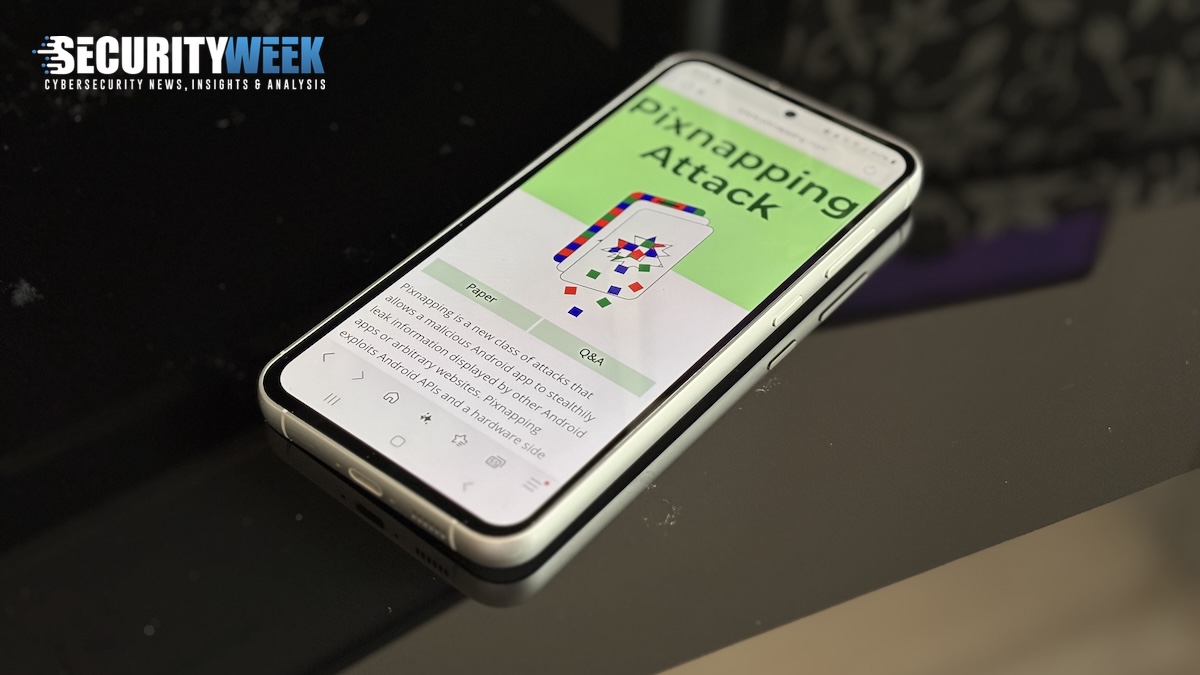
The expansion of mobile device usage in enterprises has increased the attack surface, leading to security challenges that are not easily controlled. Mobile threats continue to evolve, and organizations must adapt to secure their data effectively.
Understanding Mobile Security Risks
As mobile devices become integral to business operations, they present both opportunities and security risks. A recent report by Jamf highlights this duality by analyzing over 1.7 million devices, revealing both their vulnerabilities and the sophisticated attacks targeting them. The report emphasizes the importance of understanding the mobile landscape to defend against potential threats.
Mobile devices are now used in various industries, from healthcare to aviation and retail, collecting sensitive data and enabling critical operations. This widespread use underscores the need for robust security measures to protect both personal and company-issued devices.
The Current State of Mobile Vulnerabilities
Jamf’s findings on mobile security are alarming. The report found that 53% of organizations had devices with outdated operating systems, and 18% connected to risky networks. Additionally, 8% of devices were exposed to phishing threats, highlighting the persistent risks in mobile environments.
Mobile applications also contribute to security issues. An analysis of popular apps revealed that 86% had known vulnerabilities, posing significant risks even in the latest versions. Moreover, the emergence of Shadow AI within apps adds another layer of complexity, as these hidden threats often go unnoticed by users and security teams.
Addressing Adversarial Activities
Mobile devices are prime targets for cybercriminals, with sophisticated spyware like Predator, Pegasus, and DarkSword making headlines. These tools, initially created for state surveillance, are now used by financially motivated criminals. Zero-click attacks, exploiting vulnerabilities like CVE-2025-43300, are popular among attackers, allowing them to compromise devices without user interaction.
Android devices face their own set of challenges, with vulnerabilities such as CVE-2025-10585 leading to potential memory corruption and unauthorized code execution. Despite available patches, many users fail to update their devices, leaving them susceptible to attacks.
Moving Forward: Enhancing Mobile Security
The expanding mobile attack surface demands proactive security measures from enterprises. As Jamf’s report suggests, organizations need to gain better control over their mobile devices by maintaining inventories, implementing timely updates, and ensuring comprehensive security protocols.
Enterprises must remain vigilant and adapt to the ever-changing threat landscape. By understanding the complexity and scope of mobile threats, organizations can better protect their data and maintain security in an increasingly mobile-dependent world.