Skip to content
  • Home
  • Cyber Map
  • About Us – Contact
  • Disclaimer
  • Terms and Rules
  • Privacy Policy
Cyber Web Spider Blog – News

Cyber Web Spider Blog – News

Globe Threat Map provides a real-time, interactive 3D visualization of global cyber threats. Monitor DDoS attacks, malware, and hacking attempts with geo-located arcs on a rotating globe. Stay informed with live logs and archive stats.

  • Home
  • Cyber Map
  • Cyber Security News
  • Security Week News
  • The Hacker News
  • How To?
  • Toggle search form
Understanding Magecart Threats in Web Supply Chains

Understanding Magecart Threats in Web Supply Chains

Posted on March 18, 2026 By CWS

In the evolving landscape of cybersecurity, Magecart attacks present a significant challenge to web supply chains. These attacks are characterized by their ability to hide malicious code in unexpected places, such as the EXIF data of a favicon, evading detection by traditional repository scanners. As organizations increasingly rely on tools like Claude Code Security for static analysis, understanding the boundaries of such tools is crucial, especially where static analysis ends and runtime monitoring begins.

Analyzing the Limits of Static Code Scanning

Claude Code Security is designed to scan code repositories and identify vulnerabilities within the codebase. However, Magecart attacks often bypass these defenses by injecting malicious code through third-party resources. These infiltrations operate outside the merchant’s codebase, executing in the shopper’s browser during checkout. This raises an important question: which tools are capable of detecting such threats?

Magecart attacks typically involve compromised third-party assets like CDNs or tag managers. The malicious code is not present in the repository, limiting the effectiveness of static analysis tools. These tools, such as Claude Code Security, are not flawed; they are simply not designed to monitor malicious activities occurring outside the code repository.

Understanding the Magecart Attack Mechanism

Recent Magecart incidents illustrate the complexity of these attacks. A notable case involved a three-stage loader chain where the skimmer payload was hidden in the EXIF metadata of a favicon. This method allowed the attack to remain undetected by repository-based tools, as the entire execution occurred in the user’s browser.

The initial loader, appearing as a legitimate third-party include, dynamically loaded a script from a seemingly authentic Shopify CDN URL. This script constructed the malicious URL, leading to the extraction and execution of the payload from the favicon’s metadata. Such techniques highlight the limitations of static scanners in detecting threats that manifest during runtime.

The Essential Role of Runtime Monitoring

To effectively combat web supply chain threats like Magecart, continuous monitoring of browser-side activities is essential. Runtime monitoring provides a direct view of the code executing in users’ browsers, revealing malicious actions as they occur. This approach addresses gaps that static analysis cannot fill.

While runtime monitoring is crucial, it should be part of a comprehensive defense-in-depth strategy. Static analysis and supply chain governance help reduce the attack surface, while runtime monitoring captures threats that bypass these measures. Together, they form a robust security framework.

Ultimately, evaluating tools like Claude Code Security against runtime attacks is a category mismatch. The tool is effective within its designed scope, but for complete security, a combination of static analysis and runtime monitoring is necessary. Security strategies must adapt to the dynamic nature of threats, ensuring comprehensive protection against sophisticated attacks.


The Hacker News Tags:browser security, Claude Code Security, client-side attacks, code scanning, Cybersecurity, EXIF data, favicon, JavaScript, Magecart, runtime execution, runtime monitoring, static analysis, supply chain attacks, third-party security, web security

Post navigation

Previous Post: Remote Code Execution Risk in Telnetd Impacts Security
Next Post: Iranian Hackers Exploit Stolen Credentials in Stryker Cyberattack

Related Posts

Critical Wing FTP Server Vulnerability (CVE-2025-47812) Actively Being Exploited in the Wild Critical Wing FTP Server Vulnerability (CVE-2025-47812) Actively Being Exploited in the Wild The Hacker News
Hidden Logic Bombs in Malware-Laced NuGet Packages Set to Detonate Years After Installation Hidden Logic Bombs in Malware-Laced NuGet Packages Set to Detonate Years After Installation The Hacker News
Anatsa Android Banking Trojan Hits 90,000 Users with Fake PDF App on Google Play Anatsa Android Banking Trojan Hits 90,000 Users with Fake PDF App on Google Play The Hacker News
Building Cyber Resilience in Financial Services Building Cyber Resilience in Financial Services The Hacker News
Kali Linux Update, Chrome Threats & Security Risks Unveiled Kali Linux Update, Chrome Threats & Security Risks Unveiled The Hacker News
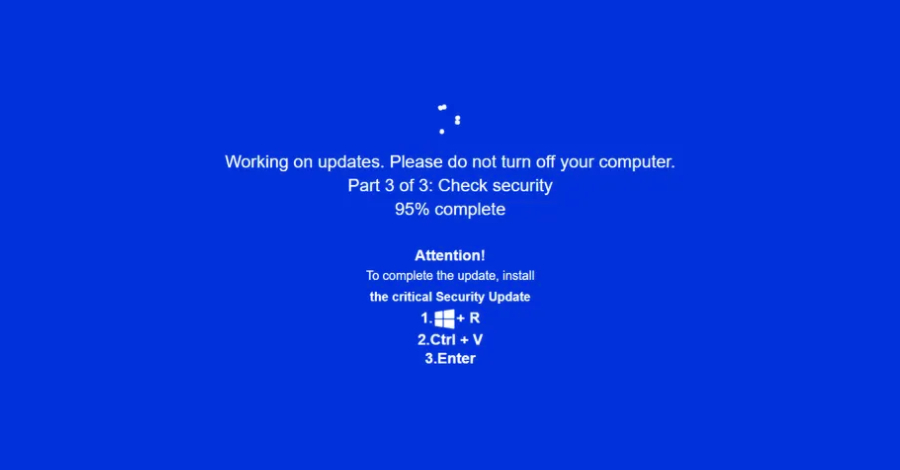
JackFix Uses Fake Windows Update Pop-Ups on Adult Sites to Deliver Multiple Stealers JackFix Uses Fake Windows Update Pop-Ups on Adult Sites to Deliver Multiple Stealers The Hacker News

Categories

  • Cyber Security News
  • How To?
  • Security Week News
  • The Hacker News

Recent Posts

  • AI in SaaS: Uncovering Hidden Risks and Security Challenges
  • Nine IP KVM Flaws Risk Unauthorized Root Access
  • ForceMemo Malware Compromises GitHub Python Repositories
  • Iranian Hackers Exploit Stolen Credentials in Stryker Cyberattack
  • Understanding Magecart Threats in Web Supply Chains

Pages

  • About Us – Contact
  • Disclaimer
  • Privacy Policy
  • Terms and Rules

Archives

  • March 2026
  • February 2026
  • January 2026
  • December 2025
  • November 2025
  • October 2025
  • September 2025
  • August 2025
  • July 2025
  • June 2025
  • May 2025

Recent Posts

  • AI in SaaS: Uncovering Hidden Risks and Security Challenges
  • Nine IP KVM Flaws Risk Unauthorized Root Access
  • ForceMemo Malware Compromises GitHub Python Repositories
  • Iranian Hackers Exploit Stolen Credentials in Stryker Cyberattack
  • Understanding Magecart Threats in Web Supply Chains

Pages

  • About Us – Contact
  • Disclaimer
  • Privacy Policy
  • Terms and Rules

Categories

  • Cyber Security News
  • How To?
  • Security Week News
  • The Hacker News

Copyright © 2026 Cyber Web Spider Blog – News.

Powered by PressBook Masonry Dark