Skip to content
  • Home
  • Cyber Map
  • About Us – Contact
  • Disclaimer
  • Terms and Rules
  • Privacy Policy
Cyber Web Spider Blog – News

Cyber Web Spider Blog – News

Globe Threat Map provides a real-time, interactive 3D visualization of global cyber threats. Monitor DDoS attacks, malware, and hacking attempts with geo-located arcs on a rotating globe. Stay informed with live logs and archive stats.

  • Home
  • Cyber Map
  • Cyber Security News
  • Security Week News
  • The Hacker News
  • How To?
  • Toggle search form
Hackers Actively Exploiting WordPress Plugin Vulnerability to Gain Admin Access

Hackers Actively Exploiting WordPress Plugin Vulnerability to Gain Admin Access

Posted on October 9, 2025October 9, 2025 By CWS

Over the previous two months, risk actors have weaponized a essential authentication bypass flaw within the Service Finder Bookings WordPress plugin, enabling them to hijack any account on compromised websites.

First disclosed on July 31, 2025, the vulnerability emerged after a bug bounty submission revealed that the plugin’s servicefinderswitchback operate didn’t validate a user-switch cookie earlier than elevating privileges.

Attackers shortly reverse-engineered the weak spot, triggering mass exploitation campaigns that started on August 1 and intensified all through September.

Throughout this era, the Wordfence Firewall blocked greater than 13,800 exploit makes an attempt throughout 1000’s of web sites operating affected variations.

In its preliminary probing part, adversaries despatched specifically crafted HTTP requests that included a malicious originaluserid cookie, bypassing authentication completely.

Wordfence analysts famous the sudden uptick in irregular switchback requests inside hours of public disclosure, prompting the speedy deployment of a firewall rule for all Wordfence Premium, Care, and Response clients.

CVE IDAffected PluginVersions AffectedPatched VersionCVSS 3.1 ScoreAttack VectorCVE-2025-5947Service Finder Bookings≤ 6.06.19.8Authentication Bypass

Websites utilizing the free model acquired safety after a 30-day delay, leaving many installations uncovered till mid-July.

The impression of profitable exploitation is catastrophic: an unauthenticated actor good points full administrator privileges, permitting set up of backdoors, information exfiltration, or website defacement.

With over 6,000 lively installs of the weak plugin, the risk panorama widened as scanning bots and scripted exploit kits started probing for Service Finder Bookings endpoints.

An infection Mechanism

A better have a look at the exploit reveals that attackers goal the servicefinderswitchback endpoint by sending a GET request to ?switchback=1 with the Cookie: originaluserid=.

The plugin code then invokes:-

if ( isset( $_COOKIE[‘originaluserid’] ) ) {
$originaluserid = intval( $_COOKIE[‘originaluserid’] );
wp_set_current_user( $originaluserid );
wp_set_auth_cookie( $originaluserid, true );
}

As a result of neither authentication nor nonce checks are carried out, the attacker’s provided person ID is accepted unconditionally, logging them in as that person—typically the positioning administrator.

This easy but highly effective bypass underscores the significance of rigorous enter validation in session-handling routines.

Observe us on Google Information, LinkedIn, and X to Get Extra Immediate Updates, Set CSN as a Most popular Supply in Google.

Cyber Security News Tags:Access, Actively, Admin, Exploiting, Gain, Hackers, Plugin, Vulnerability, WordPress

Post navigation

Previous Post: Threat Actors Mimic as HR Departments to Steal Your Gmail Login Credentials
Next Post: New Quishing Attack With Weaponized QR Code Targeting Microsoft Users

Related Posts

Exposed Open Directory Leaks BYOB Framework Across Windows, Linux, and macOS Exposed Open Directory Leaks BYOB Framework Across Windows, Linux, and macOS Cyber Security News
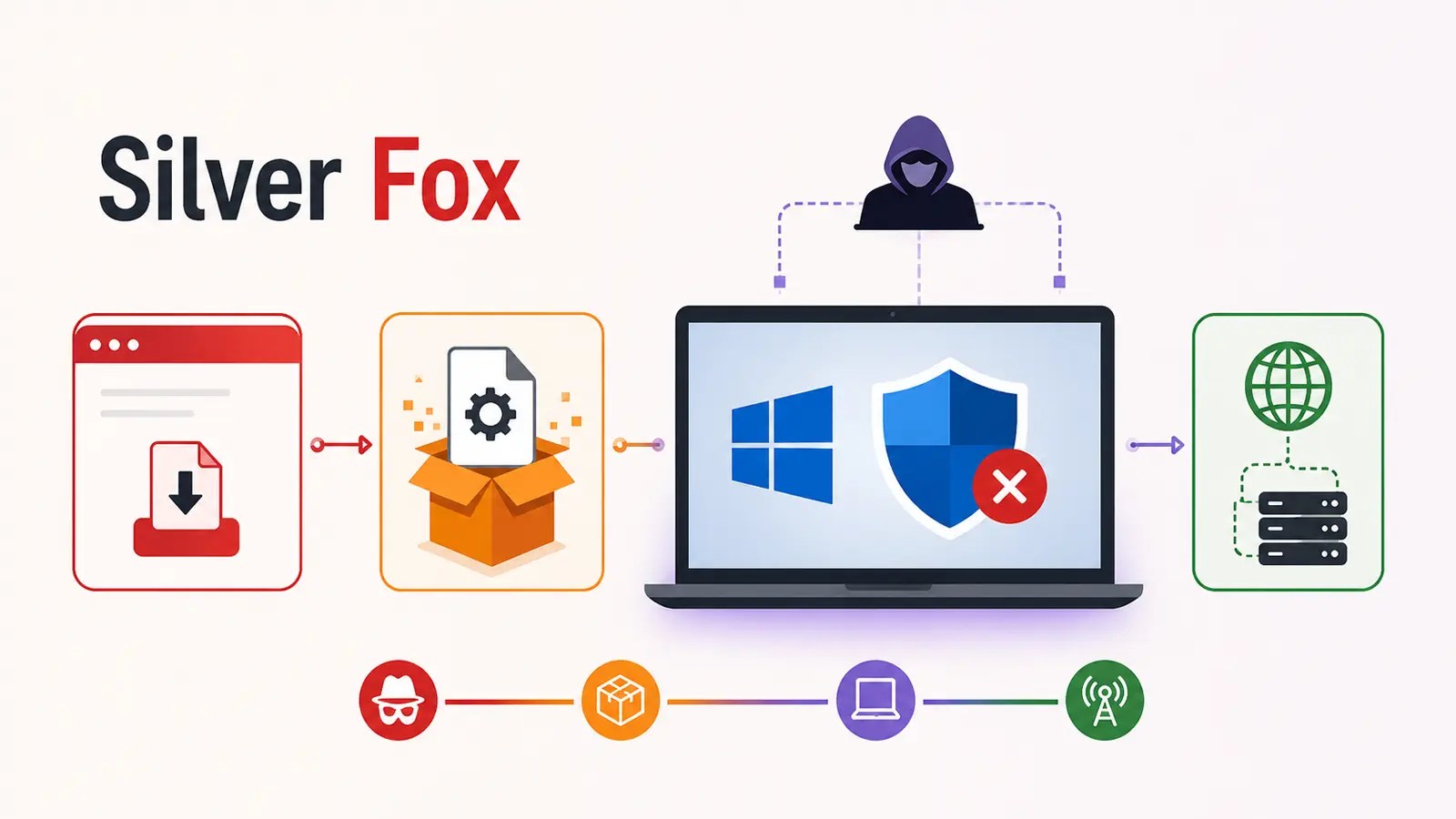
Hackers Bypass Microsoft Defender with Fake Installers Hackers Bypass Microsoft Defender with Fake Installers Cyber Security News
Mitigating Malware Threats on Unmanaged Endpoint Devices Mitigating Malware Threats on Unmanaged Endpoint Devices Cyber Security News
LiteLLM SQL Injection Threat Exposes Critical Data LiteLLM SQL Injection Threat Exposes Critical Data Cyber Security News
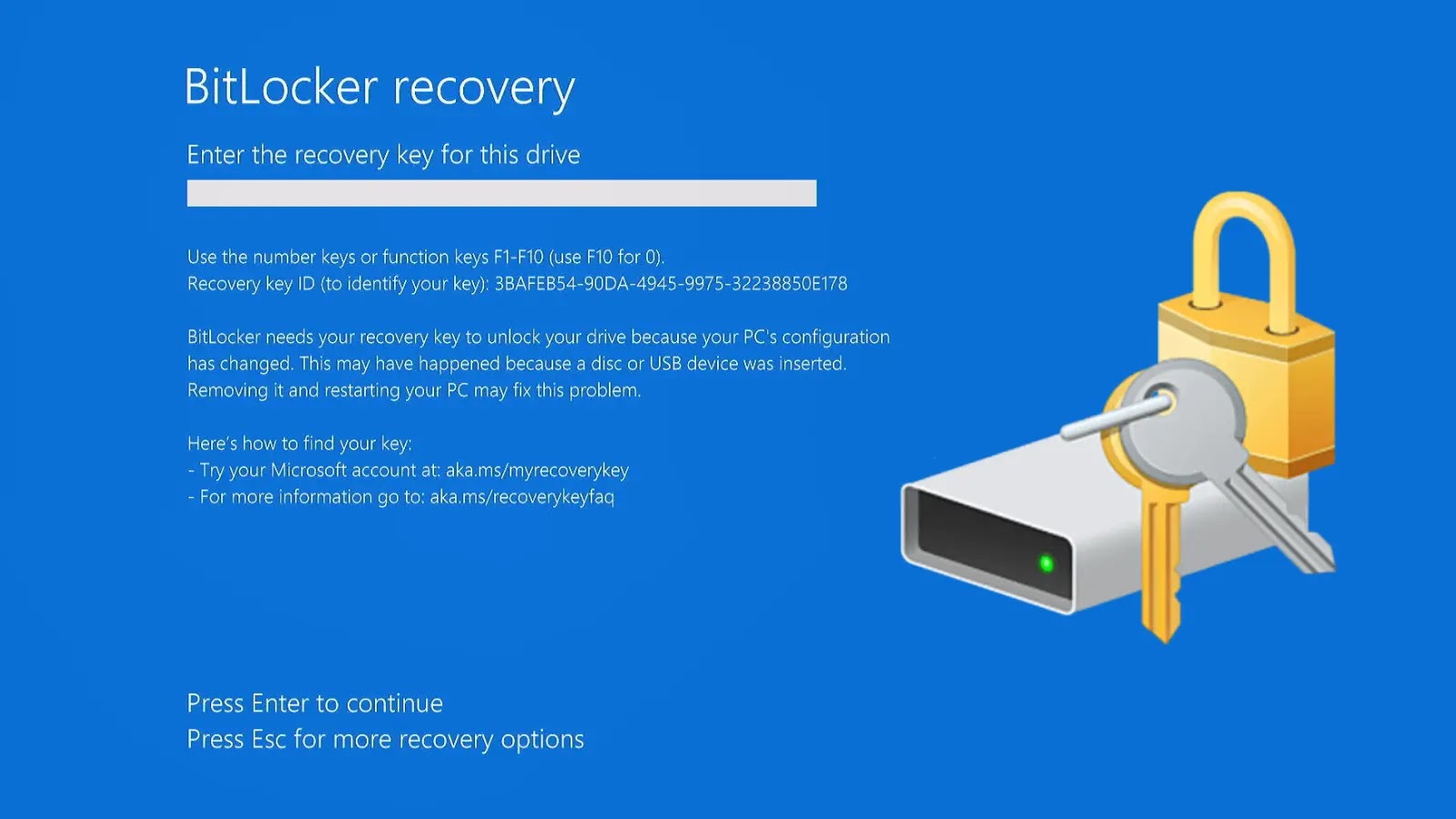
Automatic BitLocker Encryption May Silently Lock Away Your Data Automatic BitLocker Encryption May Silently Lock Away Your Data Cyber Security News
Russian Hackers Attacking Network Edge Devices in Western Critical Infrastructure Russian Hackers Attacking Network Edge Devices in Western Critical Infrastructure Cyber Security News

Categories

  • Cyber Security News
  • How To?
  • Security Week News
  • The Hacker News

Recent Posts

  • Critical SAP Flaws Allow Unauthorized System Access
  • Sparrow Malware Links Three Espionage Campaigns
  • Toyota Allegedly Targeted by BYOD Ransomware Group
  • SAP Addresses Critical Security Vulnerabilities in Recent Update
  • Critical Xen Orchestra Flaw Exploited by Hackers

Pages

  • About Us – Contact
  • Disclaimer
  • Privacy Policy
  • Terms and Rules

Archives

  • November 2026
  • October 2026
  • September 2026
  • August 2026
  • July 2026
  • June 2026
  • May 2026
  • April 2026
  • March 2026
  • February 2026
  • January 2026
  • December 2025
  • November 2025
  • October 2025
  • September 2025
  • August 2025
  • July 2025
  • June 2025
  • May 2025

Recent Posts

  • Critical SAP Flaws Allow Unauthorized System Access
  • Sparrow Malware Links Three Espionage Campaigns
  • Toyota Allegedly Targeted by BYOD Ransomware Group
  • SAP Addresses Critical Security Vulnerabilities in Recent Update
  • Critical Xen Orchestra Flaw Exploited by Hackers

Pages

  • About Us – Contact
  • Disclaimer
  • Privacy Policy
  • Terms and Rules

Categories

  • Cyber Security News
  • How To?
  • Security Week News
  • The Hacker News

Copyright © 2026 Cyber Web Spider Blog – News.

Powered by PressBook Masonry Dark