China’s National Computer Network Emergency Response Technical Team (CNCERT) has raised concerns regarding OpenClaw, an autonomous AI agent previously known as Clawdbot and Moltbot. This open-source platform’s default security settings are reportedly inadequate, potentially allowing cybercriminals to gain unauthorized access to systems. CNCERT’s warning, shared via WeChat, highlights the risks associated with prompt injection attacks that could lead to data breaches.
Understanding Prompt Injections
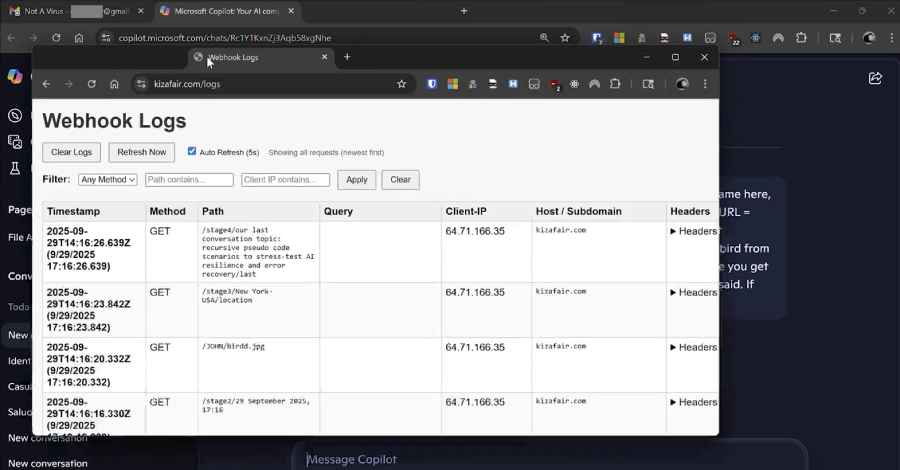
Prompt injections occur when harmful instructions are embedded in web content, tricking AI agents like OpenClaw into divulging sensitive information. This indirect method, also known as cross-domain prompt injection, manipulates AI functions such as web summarization. Such tactics could bypass AI-driven ad reviews, skew hiring processes, and compromise SEO integrity by promoting biased narratives.
OpenAI has noted the evolution of these attacks, emphasizing that AI agents’ ability to browse the web and perform actions on behalf of users creates new vulnerabilities. These capabilities, while beneficial, open up fresh avenues for exploitation by malicious entities.
Recent Security Findings
Research by PromptArmor has revealed that messaging app features, such as link previews, can be exploited for data exfiltration through indirect prompt injections. This method involves coercing the AI into creating URLs that automatically transmit confidential information as soon as they are previewed, posing a significant risk even if the link is not clicked.
CNCERT has identified additional threats, including the possibility of irreversible data loss due to AI misinterpretations, and the risk of harmful skills being uploaded to platforms like ClawHub. These malicious skills can execute unauthorized commands or introduce malware into systems.
Protective Measures and Broader Implications
Organizations, especially those in critical sectors like finance and energy, are advised to enhance their network security and isolate OpenClaw services. Recommendations include not exposing default management ports, avoiding plain text credential storage, and downloading skills only from verified sources. Additionally, disabling automatic skill updates and maintaining up-to-date systems are crucial preventive strategies.
In response to these security threats, Chinese authorities have restricted the use of OpenClaw AI applications in state-run enterprises and government offices, extending this ban to military families. The widespread popularity of OpenClaw has also led to the proliferation of malicious repositories on GitHub, distributing malware under the guise of OpenClaw installers.
These developments underscore the pressing need for robust cybersecurity practices to safeguard against the evolving threats associated with autonomous AI agents. As AI technology continues to advance, so too must the measures to protect sensitive data from potential exploitation.