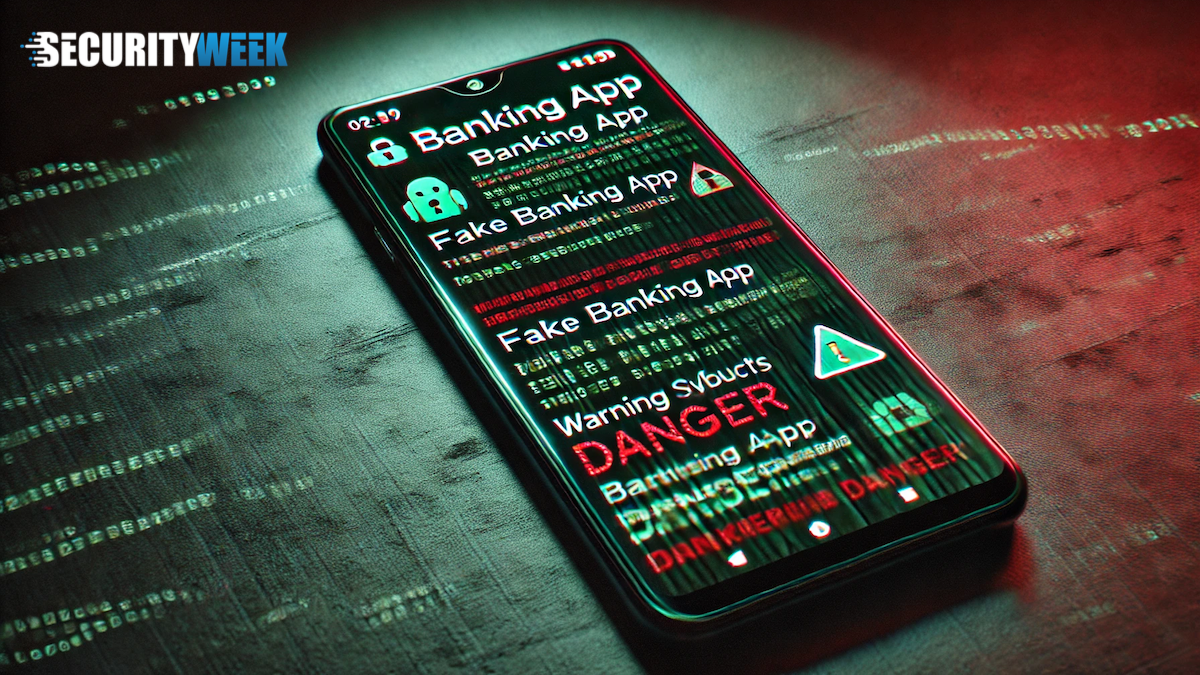
Android users are being alerted by mobile security company Zimperium about a new threat named Rokarolla, a banking trojan capable of compromising over 200 cryptocurrency and banking applications. This malware represents a significant risk to users by targeting a wide array of financial platforms.
Malware Distribution and Deceptive Tactics
Rokarolla is being spread through malicious websites where it masquerades as popular applications like Chrome and TikTok. This deceptive strategy involves tricking users into downloading the malware, which then impersonates legitimate services such as Google Play Protect to deliver its harmful payload.
Capabilities and Methods of Rokarolla
Once installed on a device, Rokarolla aggressively seeks permissions, enabling it to gain control over the device even when it’s locked by accessing lockscreen credentials such as PINs, patterns, or passwords. The trojan employs screen overlays to extract credentials from 217 targeted banking and cryptocurrency apps.
In addition to these capabilities, Rokarolla misuses Accessibility Services to harvest WhatsApp contact details and can intercept SMS messages and phone calls. Its keylogging functionality records every keystroke, while it also manipulates clipboard contents to swap out cryptocurrency addresses with those controlled by attackers.
Advanced Evasion Techniques
Rokarolla is designed with sophisticated evasion techniques to avoid detection. It initially conceals its icon from the app drawer to prevent visual discovery. Further, it can mute all device sounds and vibrations, thus ensuring its activities remain undetected. This includes suppressing security alerts and incoming verification calls, which might otherwise alert users to fraudulent transactions.
The malware’s ability to systematically capture and compress screenshots into PNG format, complete with timestamps, adds another layer of threat, allowing attackers to exfiltrate sensitive visual data quietly.
Conclusion and Implications
The emergence of Rokarolla highlights significant vulnerabilities within mobile security frameworks, particularly concerning financial applications. Users are urged to remain vigilant and safeguard their devices by avoiding downloads from untrusted sources. As the landscape of mobile threats continues to evolve, the importance of robust security measures becomes increasingly paramount.