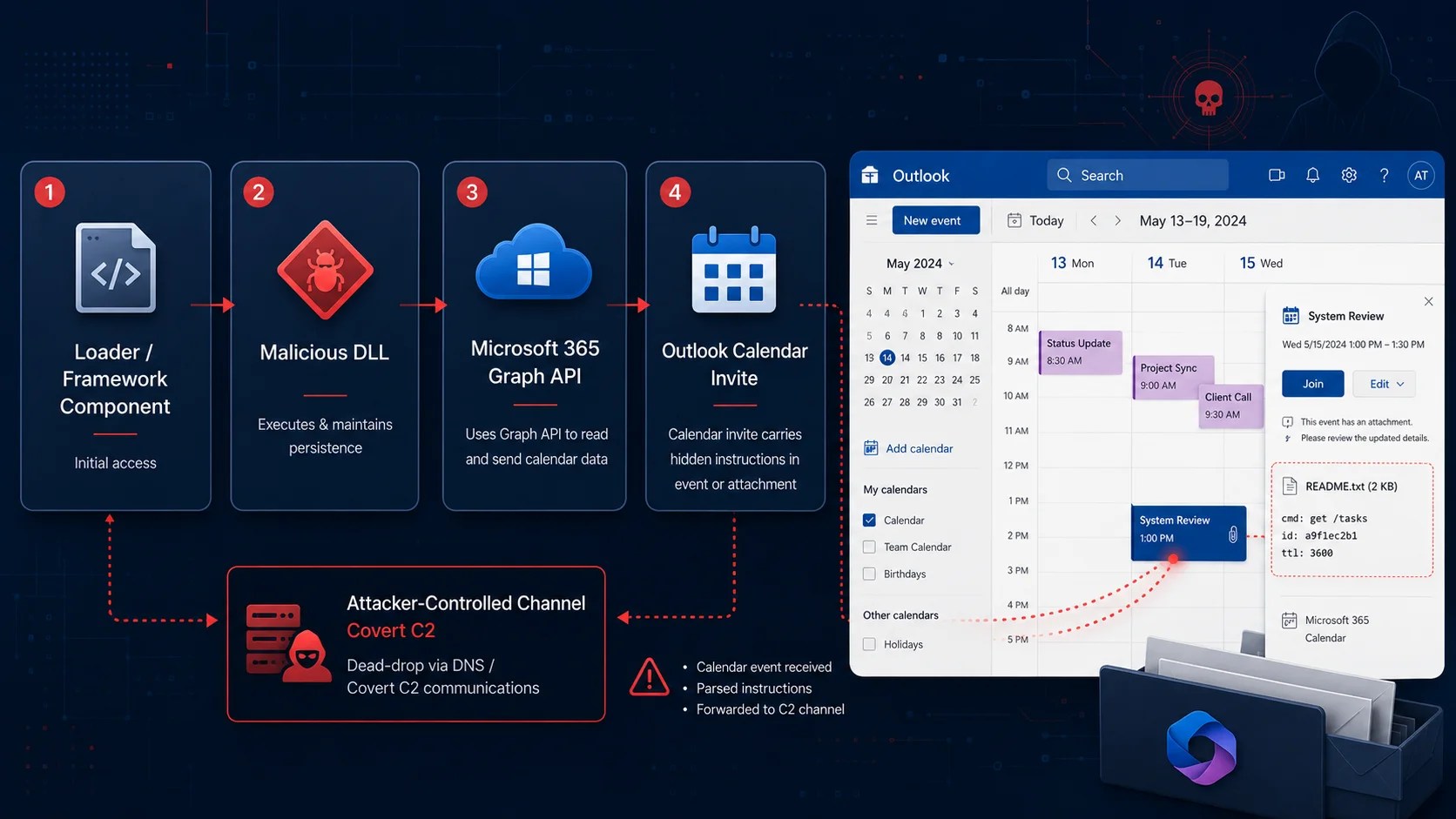
Microsoft has revealed a significant remote code execution (RCE) vulnerability within its Office suite, highlighting the potential for exploitation via maliciously crafted Excel files. This security flaw, identified as CVE-2025-60727, affects a range of Microsoft Office versions and emphasizes the persistent threat posed by document-based attack strategies often seen in phishing attempts.
Understanding the Vulnerability
The vulnerability is categorized as an out-of-bounds read issue (CWE-125) within Microsoft Excel. It arises from the way Excel processes specially structured files. When a rogue Excel document is opened, the application might access memory locations beyond the intended buffer. Such unauthorized memory access permits attackers to alter application behavior, allowing arbitrary code execution on the compromised system.
This flaw impacts various Microsoft products, including Microsoft 365 Apps, Excel 2016, Office 2019, Office LTSC versions, and the Office Online Server. Given the widespread use of these applications in both corporate and personal settings, the potential scope of attack is extensive.
Exploitation Tactics and Risks
Exploiting CVE-2025-60727 necessitates user interaction, specifically the opening of a tainted Excel file. However, the attack does not require authentication or elevated user privileges, making it particularly effective in phishing scenarios where users are deceived into opening seemingly legitimate attachments.
Attackers often disguise malicious Excel files as business reports or invoices. Upon opening, these files exploit the vulnerability to execute harmful code discreetly. The flaw stems from inadequate validation of length and offset values during file parsing, which can lead to Excel accessing memory beyond its allocation.
Through meticulous file structuring, attackers can manipulate execution flow, running harmful instructions within the Excel process. Successful attacks grant attackers the same access level as the current user, potentially resulting in data breaches, malware installations, or complete system compromises.
Mitigation and Defense Measures
Microsoft has issued security patches to address this vulnerability, urging organizations to apply these updates promptly. Regularly updating Microsoft 365 Apps through the Click-to-Run service and deploying the latest security patches for standalone Office installations are critical preventive measures.
Additional protective steps include enforcing Protected View for files from external sources, disabling macros and external content, and implementing security controls like Attack Surface Reduction rules. SentinelOne also advises restricting Excel files from untrusted sources and enhancing email filtering to mitigate exposure.
While there are currently no confirmed cases of active exploitation, the vulnerability was documented in the National Vulnerability Database on November 11, 2025, with updates on June 17, 2026. The technique closely mirrors established phishing and document-based attack strategies, underscoring the need for vigilance among organizations.
By adopting these security measures, organizations can significantly reduce their risk and safeguard their systems from potential threats stemming from this vulnerability.