Security Operations Centers (SOCs) are frequently inundated with alerts, not because of a scarcity of notifications but due to the need to investigate each one thoroughly. Analysts are tasked with validating indicators, identifying malicious actions, assessing threats’ breadth, and deciding on containment or escalation, all amidst a landscape of disparate tools.
Challenges in Alert Management
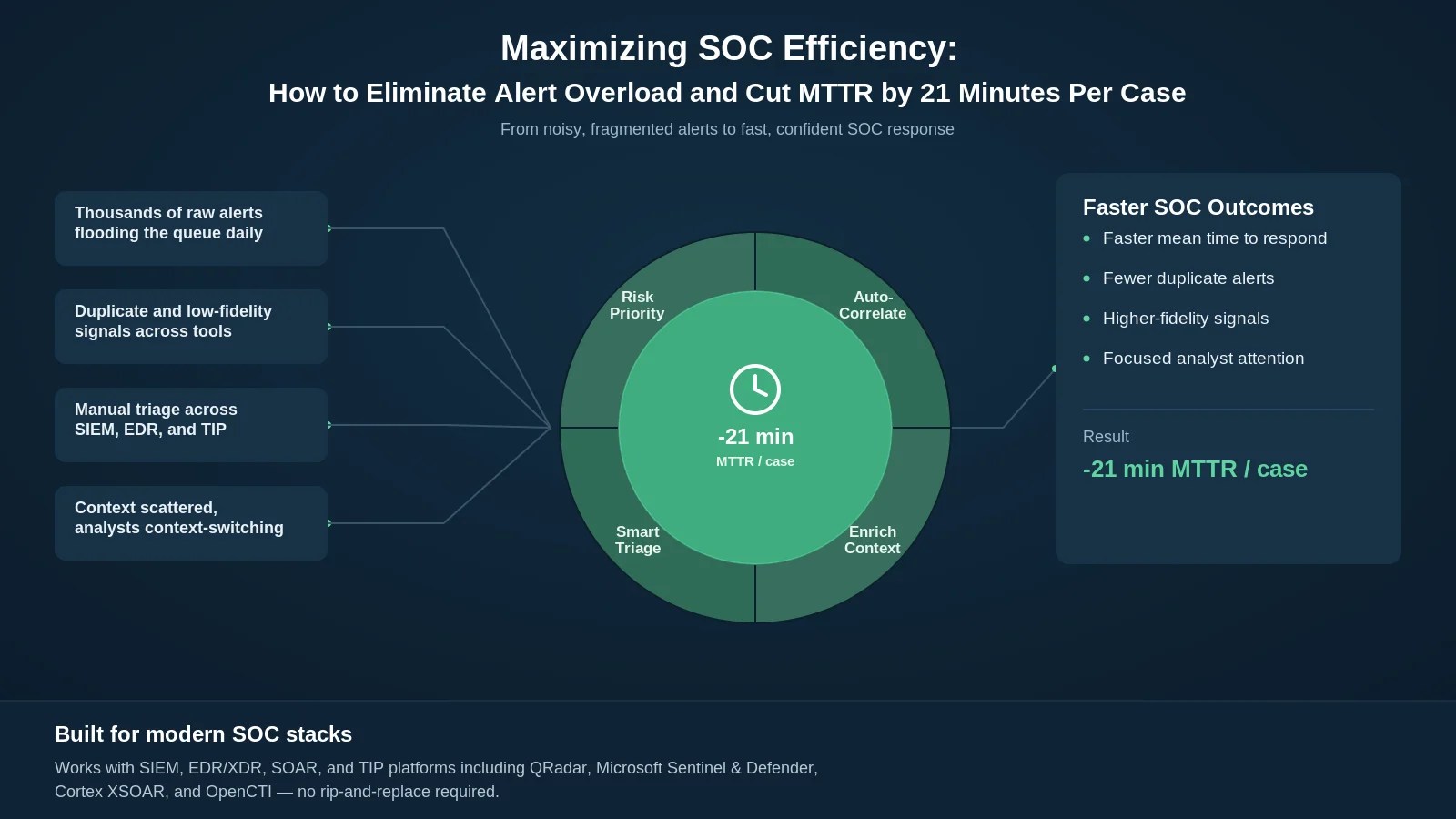
This disjointed method results in wasted time and leads to alert fatigue, often delaying incident responses. When the volume of alerts becomes overwhelming, it desensitizes analysts, causing potential threats to be missed. This inefficiency extends the mean time to respond (MTTR) and forces senior analysts to review cases that could be resolved by Tier 1 teams if they had better intelligence and behavioral evidence. A streamlined threat intelligence workflow can significantly reduce this burden.
Integrating Threat Intelligence Solutions
ANY.RUN suggests that incorporating live threat feeds, interactive malware analysis, indicator enrichment, and structured reporting can shorten investigation and response times by up to 21 minutes per case. Threat intelligence feeds are instrumental in filtering out known malicious infrastructures before they reach analysts, allowing for a more focused response to high-risk alerts.
By automatically prioritizing events linked with known malware or phishing activities, security tools enhance the context provided to SOC teams, enabling them to focus on critical threats rather than repetitive checks across various sources.
Advanced Analysis Techniques
Interactive sandbox analysis adds a layer of behavioral proof during triage, enabling analysts to examine suspicious files, scripts, and links within a secure environment. This allows them to observe process execution, network activity, command lines, and persistence behaviors without risk. Such analysis is particularly useful against evasive phishing attacks that might initially appear benign but reveal malicious intents upon user interaction.
In-browser inspections can uncover injected content, changes to the document object model, HTTP requests, and attacker-controlled infrastructure. Tools for threat intelligence lookup help broaden a single alert into a comprehensive investigation, identifying related phishing pages, malware samples, and command-and-control servers.
Efficient Incident Response
Structured reports enable a Tier 1 analyst to compile comprehensive documentation on the incident, including indicators of compromise, observed behaviors, and recommended actions, which Tier 2, Tier 3, and incident response teams can act upon swiftly. This documentation allows for a more efficient response and future enhancements in detection capabilities.
By ensuring a seamless flow of intelligence with alerts, SOCs can reduce alert overload, accelerate investigations, and decrease MTTR without needing more analysts. This is achieved through the integration of threat feeds, sandbox evidence, and enrichment processes, facilitating a cycle of continuous improvement in monitoring, prioritizing, and responding to threats.
Harnessing actionable intelligence from ANY.RUN can significantly boost SOC performance, as evidenced by its adoption by numerous Fortune 100 companies.