Körber AG, a major German technology and manufacturing enterprise, operates globally across 100 locations with approximately 13,000 employees. Despite its significant impact, particularly in industries like pharmaceuticals, where its machinery is integral to vaccine production, the company often remains unfamiliar to end consumers.
Andreas Gaetje’s Path to CISO
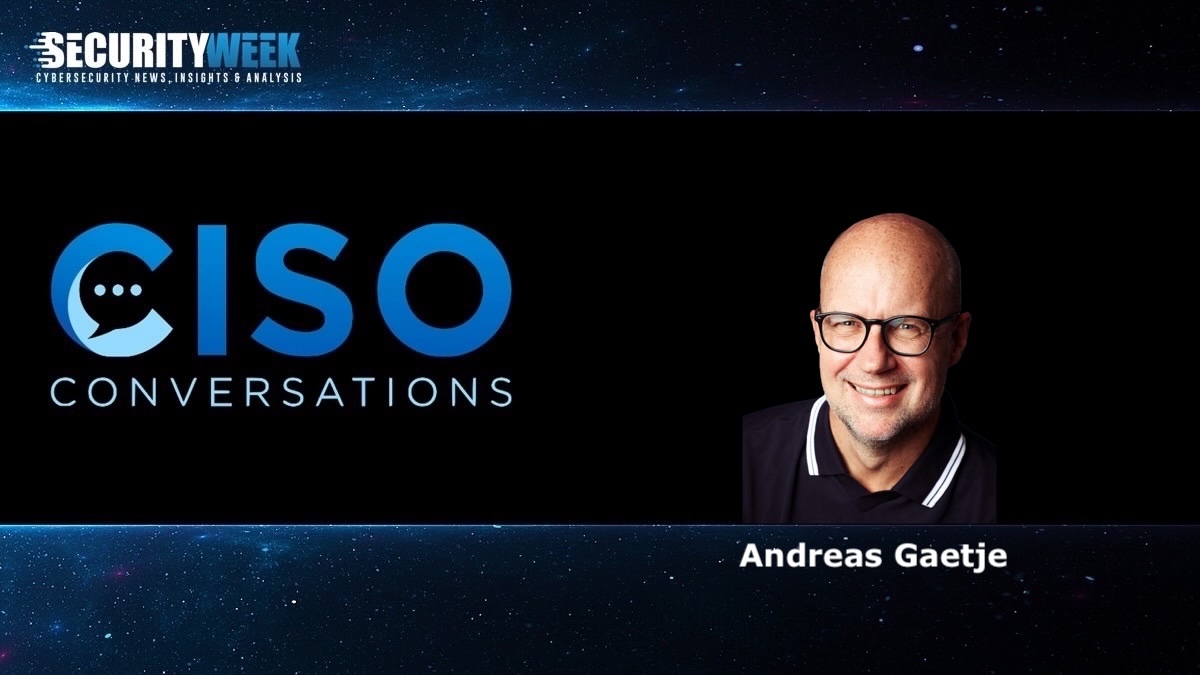
Andreas Gaetje, now the Chief Information Security Officer (CISO) at Körber AG, embarked on a career journey that was far from a direct path to cybersecurity. Initially, Gaetje was focused on economics and business politics, anticipating a future in public service. However, the rapid evolution of the internet in the mid-1990s steered him towards the burgeoning field of IT.
In search of immediate financial stability, Gaetje pivoted to the technology sector, eventually joining a consulting firm. By the early 2000s, he realized the importance of specializing in a specific industry, choosing finance as IT’s role became crucial there. This move laid the groundwork for his future in cybersecurity, where his knowledge of business and IT audit became invaluable as the field evolved.
Leadership and Career Insights
Gaetje’s career advancements were marked by a keen understanding of business dynamics and an ability to adapt. By 2018, he was appointed CISO of Körber IT Solutions, and by 2019, he had risen to CISO of Körber AG. His growth underscores the possibility of leading in cybersecurity without a deep technical background, provided one has a robust grasp of business and IT functions.
One pivotal piece of advice he received was the importance of diversifying experience across different companies and sectors. This exposure helps avoid cognitive stagnation and enhances adaptability in the fast-evolving cybersecurity landscape.
Challenges and the Future of Cybersecurity
Gaetje acknowledges that leadership extends beyond subject matter expertise, emphasizing the importance of trust and reliability. He believes leadership can be cultivated through experience and training, as long as one has the foundational personality traits that inspire trust.
Building a competent cybersecurity team is another challenge Gaetje highlights, especially given the estimated skills gap in the field. He values curiosity and a willingness to learn over mere experience, emphasizing that cybersecurity requires continuous education due to rapid technological changes.
The advent of AI presents both challenges and opportunities. Gaetje notes that while AI can enhance security measures, it also requires integration with other business units to effectively protect innovations. The role of the CISO, he predicts, will become increasingly significant as AI becomes more pervasive.
Adapting to Technological Change
The rapid pace of technological advancement, particularly in AI, poses significant challenges for security teams. Gaetje points out that while new technologies can enhance capabilities, they also require ongoing learning and adaptation from the entire team.
Despite these challenges, Gaetje remains optimistic about the future of cybersecurity. He believes that while roles and methods may evolve, the fundamental principles of security will endure. The challenge for CISOs will be to guide their teams through this evolution, fostering a culture of innovation and adaptability.
In conclusion, Andreas Gaetje’s journey from economics to becoming a CISO at Körber AG illustrates the diverse pathways to leadership in cybersecurity. His insights into leadership, the impact of AI, and the importance of cross-industry experience provide valuable lessons for aspiring security professionals.