Skip to content
  • Home
  • Cyber Map
  • About Us – Contact
  • Disclaimer
  • Terms and Rules
  • Privacy Policy
Cyber Web Spider Blog – News

Cyber Web Spider Blog – News

Globe Threat Map provides a real-time, interactive 3D visualization of global cyber threats. Monitor DDoS attacks, malware, and hacking attempts with geo-located arcs on a rotating globe. Stay informed with live logs and archive stats.

  • Home
  • Cyber Map
  • Cyber Security News
  • Security Week News
  • The Hacker News
  • How To?
  • Toggle search form
Cruciferra Crypter: An Emerging Threat to Windows Security

Cruciferra Crypter: An Emerging Threat to Windows Security

Posted on July 21, 2026 By CWS

The cybersecurity landscape is facing a new challenge with the emergence of Cruciferra, a subscription-based crypter that allows malware to evade Windows security mechanisms. For a fee of up to $2,000 per month, this tool helps cybercriminals wrap malicious software, making it difficult for antivirus programs to detect and block.

How Cruciferra Operates

Cruciferra, active since the fall of 2025, has been marketed on underground platforms. Cybercriminals have been using various methods such as email traps, fake tax portals, and misleading PDF links to distribute the crypter. This poses a significant threat to sectors including finance, healthcare, government, and hospitality.

Security analysts at Proofpoint have observed Cruciferra in numerous cyber campaigns. It has been employed to deploy a range of harmful software like AsyncRAT, XWorm, and Agent Tesla. The danger lies less in the individual malware and more in the ability of Cruciferra to shield various threats behind changing codes, undermining signature-based detection.

Techniques for Evasion

Written in Mono, Cruciferra utilizes DLL side-loading to function. When victims execute an infected file, Windows loads a malicious DLL, activating the crypter. This method was similarly observed in an AsyncRAT campaign, highlighting the need for vigilance against unexpected downloads.

Cruciferra is designed to avoid detection by checking for sandbox environments and padding DLLs with benign functions. It employs tactics like disabling Windows monitoring features and exploiting vulnerable drivers to stop security processes, thereby evading endpoint detection and response (EDR) systems.

Implications and Defensive Measures

With more than 90 unique encryption routines, Cruciferra ensures each malware build appears different, complicating detection efforts. Its sophisticated approach includes the use of Process Ghosting, which creates temporary files that disappear from the disk, leaving no traceable artifacts for security software to analyze.

To counteract these threats, cybersecurity experts recommend blocking vulnerable drivers, maintaining updated systems, and enabling comprehensive logging. Organizations must also scrutinize unexpected download requests, especially those masquerading as urgent communications from tax authorities or other official entities.

The ongoing development of Cruciferra underscores the necessity for robust cybersecurity measures. As this threat evolves, organizations need to adopt proactive strategies to safeguard their networks against sophisticated evasion tactics and ensure the security of their operations in an increasingly perilous digital environment.

Cyber Security News Tags:Cruciferra, cyber threat, Cybersecurity, EDR evasion, information stealers, Malware, malware protection, Remote Access Trojans, security tools, Windows security

Post navigation

Previous Post: Qilin Ransomware Surges with 1,358 Victims Worldwide
Next Post: Hackers Exploit Government Sites for Malware Distribution

Related Posts

Microsoft Resolves Windows 11 Update Issues with KB5089573 Microsoft Resolves Windows 11 Update Issues with KB5089573 Cyber Security News
Brinker Innovates Deepfake Detection with New Approach Brinker Innovates Deepfake Detection with New Approach Cyber Security News
Beware of Weaponized Wedding Invite Scams That Deploys SpyMax RAT on Android Devices Beware of Weaponized Wedding Invite Scams That Deploys SpyMax RAT on Android Devices Cyber Security News
Hackers Upgraded ClickFix Attack With Cache Smuggling to Secretly Download Malicious Files Hackers Upgraded ClickFix Attack With Cache Smuggling to Secretly Download Malicious Files Cyber Security News
Ransomware Threats Exploit Employee Monitoring Tools Ransomware Threats Exploit Employee Monitoring Tools Cyber Security News
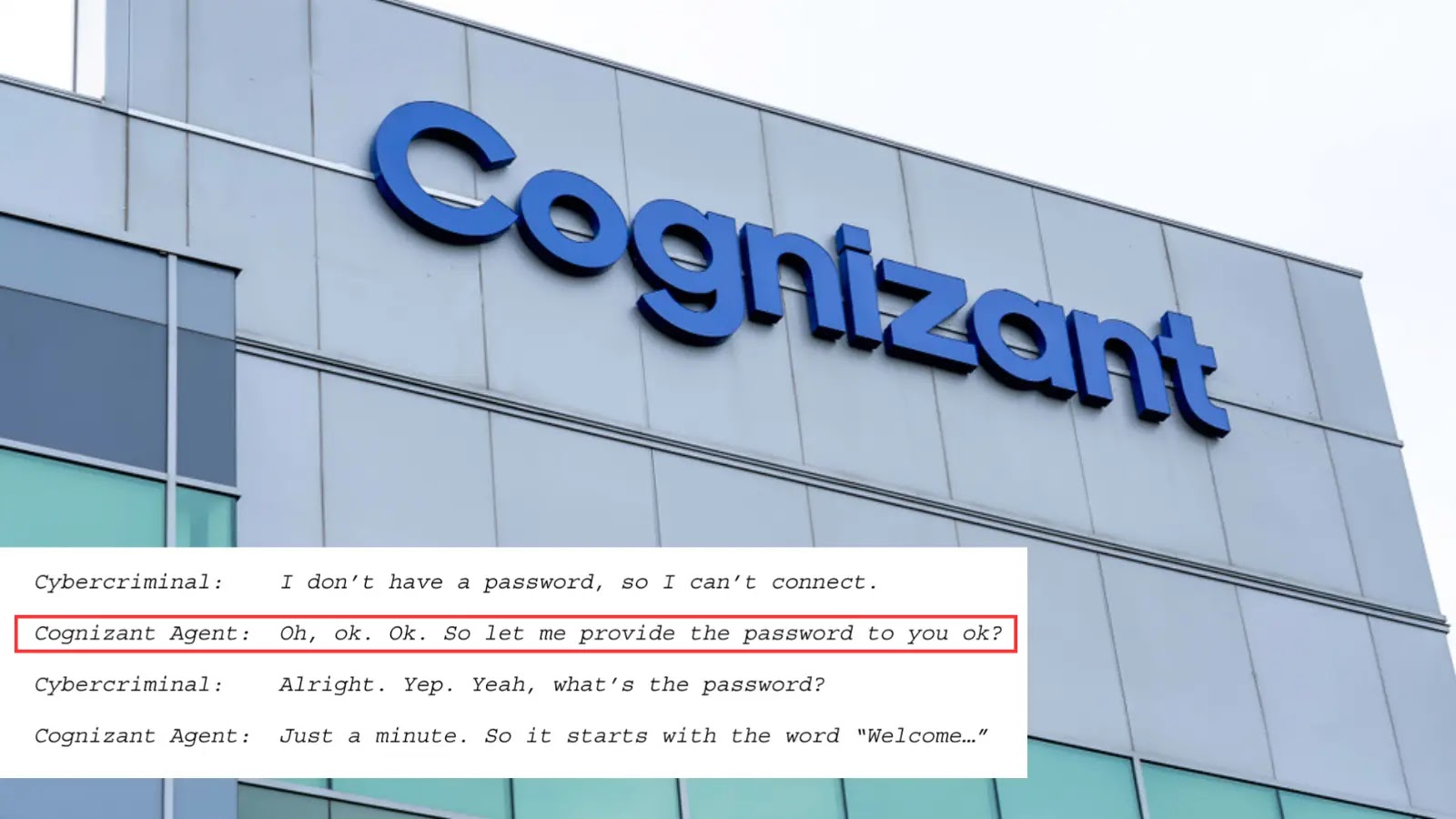
Clorox Sues IT Provider Cognizant For Simply Giving Employee Password to Hackers Clorox Sues IT Provider Cognizant For Simply Giving Employee Password to Hackers Cyber Security News

Categories

  • Cyber Security News
  • How To?
  • Security Week News
  • The Hacker News

Recent Posts

  • Fake Google Meet Pages Targeting User Credentials
  • Siemens Software Vulnerability Exploited for Trojan Deployment
  • Ex-OpenAI Engineer Held for Alleged Spying with Saudi Ties
  • AI-Driven Attacks Target Over 100 Companies, Cost $5,000
  • SBI Alleged Data Breach: Hackers Claim Access to Vast Database

Pages

  • About Us – Contact
  • Disclaimer
  • Privacy Policy
  • Terms and Rules

Archives

  • October 2026
  • September 2026
  • August 2026
  • July 2026
  • June 2026
  • May 2026
  • April 2026
  • March 2026
  • February 2026
  • January 2026
  • December 2025
  • November 2025
  • October 2025
  • September 2025
  • August 2025
  • July 2025
  • June 2025
  • May 2025

Recent Posts

  • Fake Google Meet Pages Targeting User Credentials
  • Siemens Software Vulnerability Exploited for Trojan Deployment
  • Ex-OpenAI Engineer Held for Alleged Spying with Saudi Ties
  • AI-Driven Attacks Target Over 100 Companies, Cost $5,000
  • SBI Alleged Data Breach: Hackers Claim Access to Vast Database

Pages

  • About Us – Contact
  • Disclaimer
  • Privacy Policy
  • Terms and Rules

Categories

  • Cyber Security News
  • How To?
  • Security Week News
  • The Hacker News

Copyright © 2026 Cyber Web Spider Blog – News.

Powered by PressBook Masonry Dark