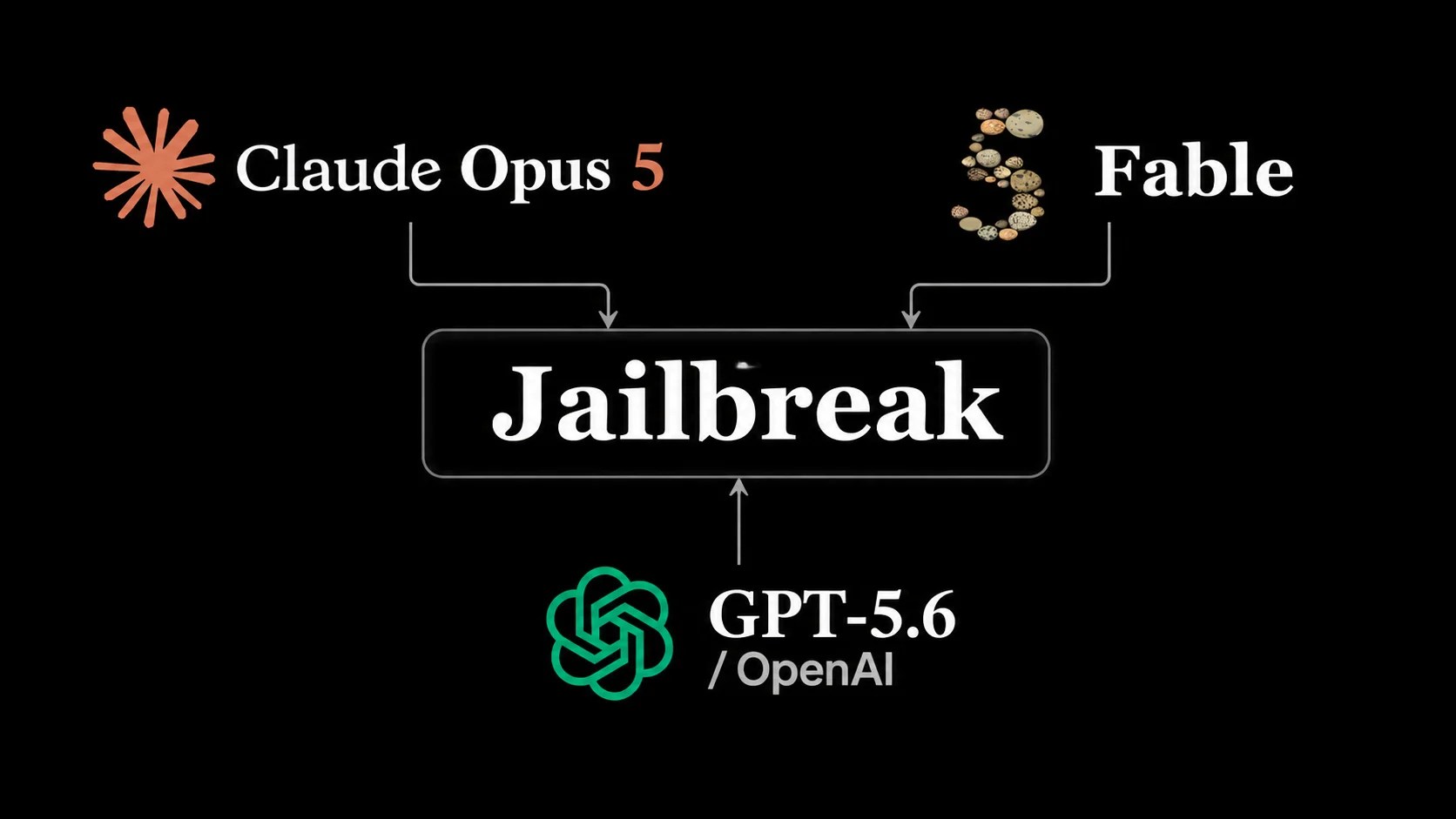
An acclaimed AI security researcher has announced the development of a universal jailbreak technique that could potentially compromise leading artificial intelligence models, including GPT-5.6 Sol, Claude Opus 5, and Fable. This revelation has sparked significant interest and concern within the AI community.
Universal Jailbreak Technique Unveiled
Pliny the Liberator, a prominent figure in AI red teaming, disclosed this breakthrough in a public statement on the social media platform X. According to Pliny, the method is effective across all tested AI models and categories. He emphasized that the inherent nature of the technique might render it exceptionally challenging to fully address or mitigate.
Unlike many previous disclosures that are immediately shared with the open-source community, Pliny has chosen to temporarily withhold the complete details of his technique. He aims to provide a responsible disclosure period, allowing AI laboratories, security researchers, and policymakers to evaluate and address the potential implications comprehensively.
Implications for AI Security
The concept of a universal jailbreak is particularly noteworthy, as most existing bypasses are typically model-specific and are often patched following disclosure. If Pliny’s claims withstand independent validation, it could highlight persistent vulnerabilities in safety training, the strength of model guardrails, and the generalization of attack strategies across different AI systems.
Pliny does not believe that publicizing the technique would inherently increase global risk. However, he acknowledges the potential for differing opinions and is focused on assessing the full impact of the method, understanding the additional capabilities it may unlock, and providing a data-driven framework for decision-makers.
Industry Response and Next Steps
The AI industry is urged to view this announcement as a preliminary alert rather than confirmed evidence of a widespread vulnerability. For the time being, organizations using these models should maintain standard security protocols, such as monitoring outputs, restricting tool access, conducting human reviews of high-risk tasks, and having clear procedures for policy breaches.
Pliny intends to release the full details of the jailbreak technique when deemed appropriate. Until then, the response from AI labs and the broader industry—whether through private testing or public engagement—will be crucial in determining the trajectory of this development.
As the AI sector awaits further information, the focus remains on ensuring robust security practices and fostering collaboration among stakeholders to address potential vulnerabilities effectively.