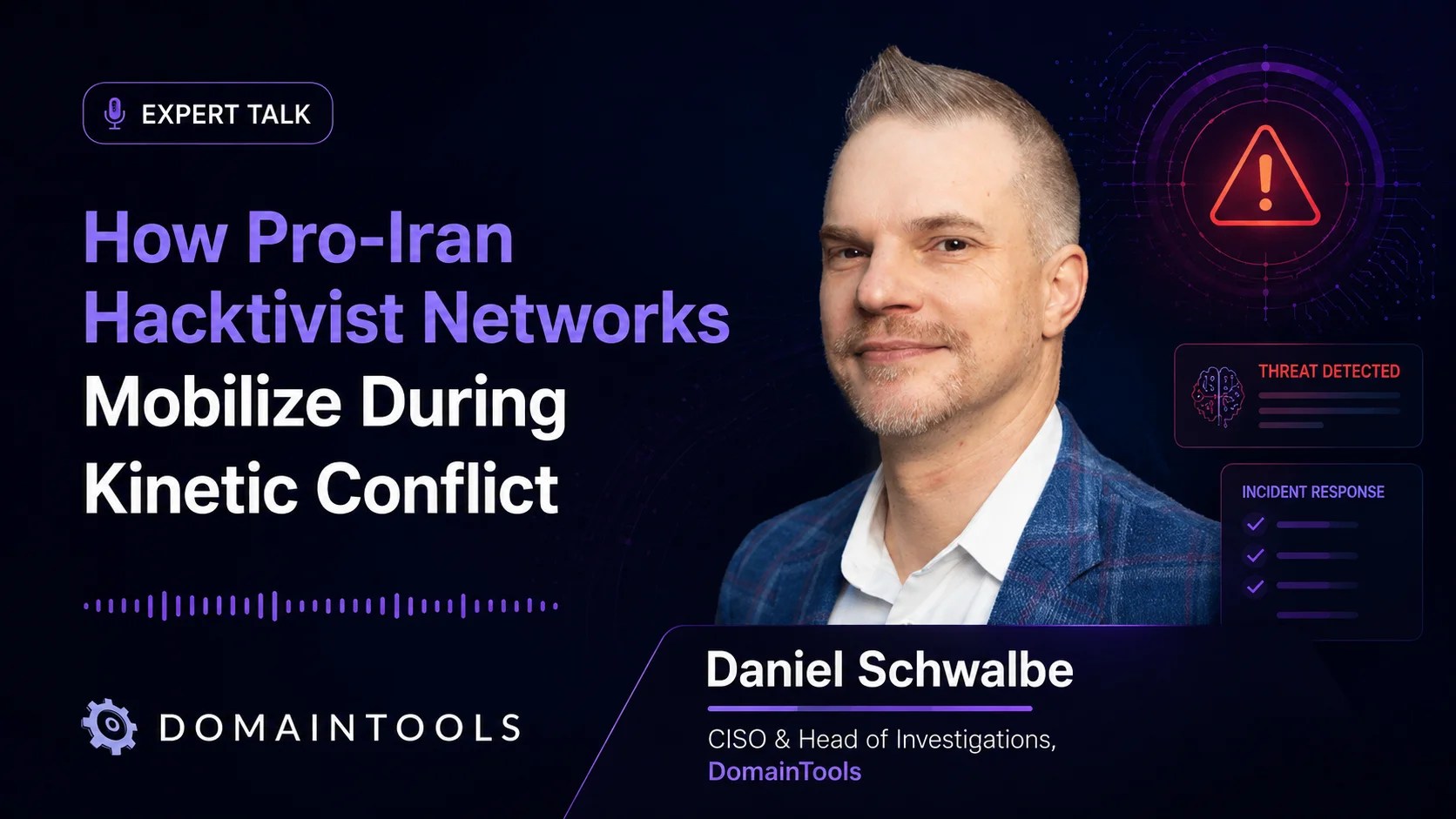
The ongoing geopolitical tensions between the United States and Iran have highlighted how hacktivist networks are reshaping modern warfare’s digital landscape. The conflict has become a testament to the evolving dynamics of asymmetric warfare and coalition building within cyberspace.
Escalation of Cyber Attacks
In the aftermath of joint military actions by the United States and Israel against Iran in February 2026, Iranian state-backed entities rapidly intensified their cyber operations targeting Western infrastructure. A significant incident involved Handala, a group linked to Iran’s Ministry of Intelligence and Security, which breached Stryker Corporation, a U.S.-based medical device company, in March.
Handala employed a well-known infostealer malware to infiltrate administrator-level accounts, subsequently issuing remote wipe commands across Stryker’s global network using Microsoft’s InTune function. This breach affected devices in 79 countries, with claims of over 200,000 devices wiped. Handala also took responsibility for compromising the personal email of FBI Director Kash Patel during the same period.
Notable Hacktivist Campaigns
In May 2026, the Islamic Cyber Resistance, also known as the 313 Team, launched an attack on Canonical and Ubuntu’s infrastructure using a DDoS-for-hire service named ‘Beamed.’ The service’s capabilities reportedly exceeded 3.5 terabits per second, impacting various official websites and Ubuntu’s security API, thus blocking critical updates and installations.
The attack paired with extortion tactics, as the group demanded a ransom from Canonical to cease their disruptive activities. This approach demonstrates how commercially available DDoS platforms enable less technically sophisticated groups to execute impactful cyber attacks.
Coalition Dynamics and Strategies
Handala and the 313 Team are part of a broader, loosely organized coalition of pro-Iran hacktivists, cyber militias, and proxy networks. These groups, including RipperSec, Cyb3rDrag0nzz, and Fatimiyoun/FAD Team, operate under a decentralized coordination system via Telegram, sharing targets and tools.
The coalition’s strength lies in its ability to amplify disruptive claims and engage in symbolic targeting, creating psychological pressure on adversaries. Their tactics, while not technically advanced, rely on DDoS-for-hire services and recycled breach data to execute their operations.
Defensive Measures and Future Outlook
Protecting against this coalition’s tactics requires understanding their operational roles and strategies. Key players like Handala and the 313 Team are known for persistent disruptions, whereas other groups focus on psychological operations and propaganda amplification.
During the U.S.-Iran conflict, this coalition is expected to mobilize rapidly, issuing claims shortly after kinetic events. Organizations should prioritize DDoS readiness, monitor leaked credentials, and establish quick response protocols for false breach claims. Recognizing that not all claims indicate actual breaches is crucial in managing reputational risks and maintaining operational stability.
In summary, while this coalition does not wield high-end cyber weapons, its power lies in scalable, asymmetric pressure through mobilization and psychological tactics.