
Skip to content
  • Home
  • Cyber Map
  • About Us – Contact
  • Disclaimer
  • Terms and Rules
  • Privacy Policy
Cyber Web Spider Blog – News

Cyber Web Spider Blog – News

Globe Threat Map provides a real-time, interactive 3D visualization of global cyber threats. Monitor DDoS attacks, malware, and hacking attempts with geo-located arcs on a rotating globe. Stay informed with live logs and archive stats.

  • Home
  • Cyber Map
  • Cyber Security News
  • Security Week News
  • The Hacker News
  • How To?
  • Toggle search form
Abuse of Google Play Early Access for Deceptive Apps

Abuse of Google Play Early Access for Deceptive Apps

Posted on September 10, 2026 By CWS

Google Play’s Early Access program, designed to facilitate user feedback for upcoming apps, is being misused by malicious actors to distribute deceptive applications. These apps falsely promise rewards, cash, and premium content, exploiting the absence of public reviews and ratings to gain user trust.

Understanding Google Play Early Access

The Early Access initiative allows developers to gather feedback on new applications before they are officially launched in the Android marketplace. However, its lack of public review capabilities has been exploited, leading to the spread of misleading apps that imitate legitimate services, such as fake casino games and utilities infringing on third-party trademarks.

An example is the app “Vice Streets: Open World,” which has been downloaded over a million times without any reviews or ratings. This app, now removed from Google Play, illustrates how the system can be abused to spread deceptive content.

How Deceptive Apps Operate

Cybersecurity firm Bitdefender reports that these apps are heavily promoted through platforms like TikTok and Facebook using deceptive ads, including AI-generated deepfake videos. Users are lured by promises of cash rewards, PayPal payouts, and cryptocurrency earnings. However, once users try to redeem these rewards, progress slows, and payouts never materialize.

These apps generate revenue by displaying numerous ads and bypass regulatory requirements for gambling apps by masquerading as casual games. This strategy allows them to evade licensing and geofencing regulations.

Broader Implications and Threats

The misuse of Early Access coincides with the rise of various Android-targeted malware. Among them are Hagaseca, a remote access trojan, and Mantax Otax, which combines spyware and ransomware functionalities. Additionally, StreamRat exploits Android’s accessibility services to compromise devices.

Moreover, the banking trojan Gigabud, used by the GoldFactory group, further complicates the landscape by targeting financial applications using cloned environments to conduct fraud.

These developments emphasize the importance of maintaining vigilance when downloading apps and highlight the need for enhanced security measures within Google’s Early Access program.

Google has been contacted for comments on these findings, and further updates will be provided as they become available. In the meantime, users are advised to stay informed and exercise caution when engaging with apps through the Early Access program.

The Hacker News Tags:AI, Android apps, Bitdefender, Cybersecurity, deceptive apps, Early Access, Google Play, mobile threats, Security, social media

Post navigation

Previous Post: Critical LiteLLM Vulnerability Risks Cloud Security
Next Post: AI Researcher Resigns, Warns of Development Dangers

Related Posts

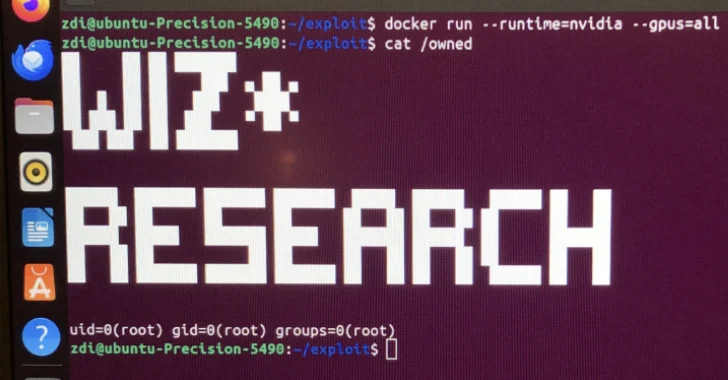
Critical NVIDIA Container Toolkit Flaw Allows Privilege Escalation on AI Cloud Services Critical NVIDIA Container Toolkit Flaw Allows Privilege Escalation on AI Cloud Services The Hacker News
Why Organizations Are Turning to RPAM Why Organizations Are Turning to RPAM The Hacker News
PHP2Shell Vulnerability: Preparing for the Critical PHP Update PHP2Shell Vulnerability: Preparing for the Critical PHP Update The Hacker News
SolarWinds WHD Exploited in Complex Multi-Stage Cyber Attacks SolarWinds WHD Exploited in Complex Multi-Stage Cyber Attacks The Hacker News
North Korean Cyber Campaign Targets 30,000 Devices for Crypto Theft North Korean Cyber Campaign Targets 30,000 Devices for Crypto Theft The Hacker News
GodDamn Ransomware Employs PoisonX to Bypass Security GodDamn Ransomware Employs PoisonX to Bypass Security The Hacker News

Categories

  • Cyber Security News
  • How To?
  • Security Week News
  • The Hacker News

Recent Posts

  • Apple Releases iOS 27.2 with Critical Security Fixes
  • DreamHost Security Issue Leads to Password Resets
  • Critical Fix for Microsoft Authenticator Android Flaw
  • HashiCorp Rectifies Consul Kubernetes Security Vulnerability
  • Apple Addresses 286 Vulnerabilities in iOS and macOS Updates

Pages

  • About Us – Contact
  • Disclaimer
  • Privacy Policy
  • Terms and Rules

Archives

  • October 2026
  • September 2026
  • August 2026
  • July 2026
  • June 2026
  • May 2026
  • April 2026
  • March 2026
  • February 2026
  • January 2026
  • December 2025
  • November 2025
  • October 2025
  • September 2025
  • August 2025
  • July 2025
  • June 2025
  • May 2025

Recent Posts

  • Apple Releases iOS 27.2 with Critical Security Fixes
  • DreamHost Security Issue Leads to Password Resets
  • Critical Fix for Microsoft Authenticator Android Flaw
  • HashiCorp Rectifies Consul Kubernetes Security Vulnerability
  • Apple Addresses 286 Vulnerabilities in iOS and macOS Updates

Pages

  • About Us – Contact
  • Disclaimer
  • Privacy Policy
  • Terms and Rules

Categories

  • Cyber Security News
  • How To?
  • Security Week News
  • The Hacker News

Copyright © 2026 Cyber Web Spider Blog – News.

Powered by PressBook Masonry Dark