Cybercrime Platform Targeting Enterprises
A newly identified cybercrime platform, known as Work Panel, is revolutionizing the way helpdesk calls are exploited for enterprise account takeovers. This sophisticated system integrates target research, caller management, phishing site creation, and credential handling into a single web-based operation, significantly accelerating the transition from a helpdesk impersonation call to a corporate account breach.
The platform is actively utilized in vishing campaigns aimed at clients of various identity providers. It enables criminals to gather employee information, replicate recognizable login interfaces, and generate individualized phishing pages while maintaining the victim on the call, mimicking pressure tactics observed in Microsoft Teams impersonation scams.
The Mechanics of Work Panel
Okta’s recent report highlights Work Panel as an advanced operator console associated with an intrusion cluster known as O-UNC-045, or CORDIALSPIDER. Unlike basic phishing tools, this platform offers a comprehensive framework for executing vishing-driven account takeovers, facilitating organized and scalable cybercriminal activities.
The platform’s design accommodates multiple operators and distinct roles, allowing for rapid launch and reorganization of campaigns after disruptions. This model grants criminals a reusable service capable of targeting numerous organizations efficiently, while keeping the callers separate from those managing the stolen credentials.
Work Panel divides its operations into caller, manager, and administrator roles. Callers engage with employees, retrieve internet-phone credentials, and communicate with targets. Managers oversee live victim sessions, collecting passwords or authentication codes, while administrators manage the infrastructure and operations.
Advanced Social Engineering Tactics
Prior to initiating a call, the platform can access commercial business contact data, providing caller insights into employee names, emails, phone numbers, job titles, and LinkedIn profiles. This preparation lends a personal touch to impersonated helpdesk calls, enhancing their credibility.
The platform’s efficiency in phishing attacks is heightened by its ability to separate captured credentials from the caller. Managers monitor live queues to guide victims through authentication steps, ensuring the protection of valuable data while simplifying caller recruitment and replacement.
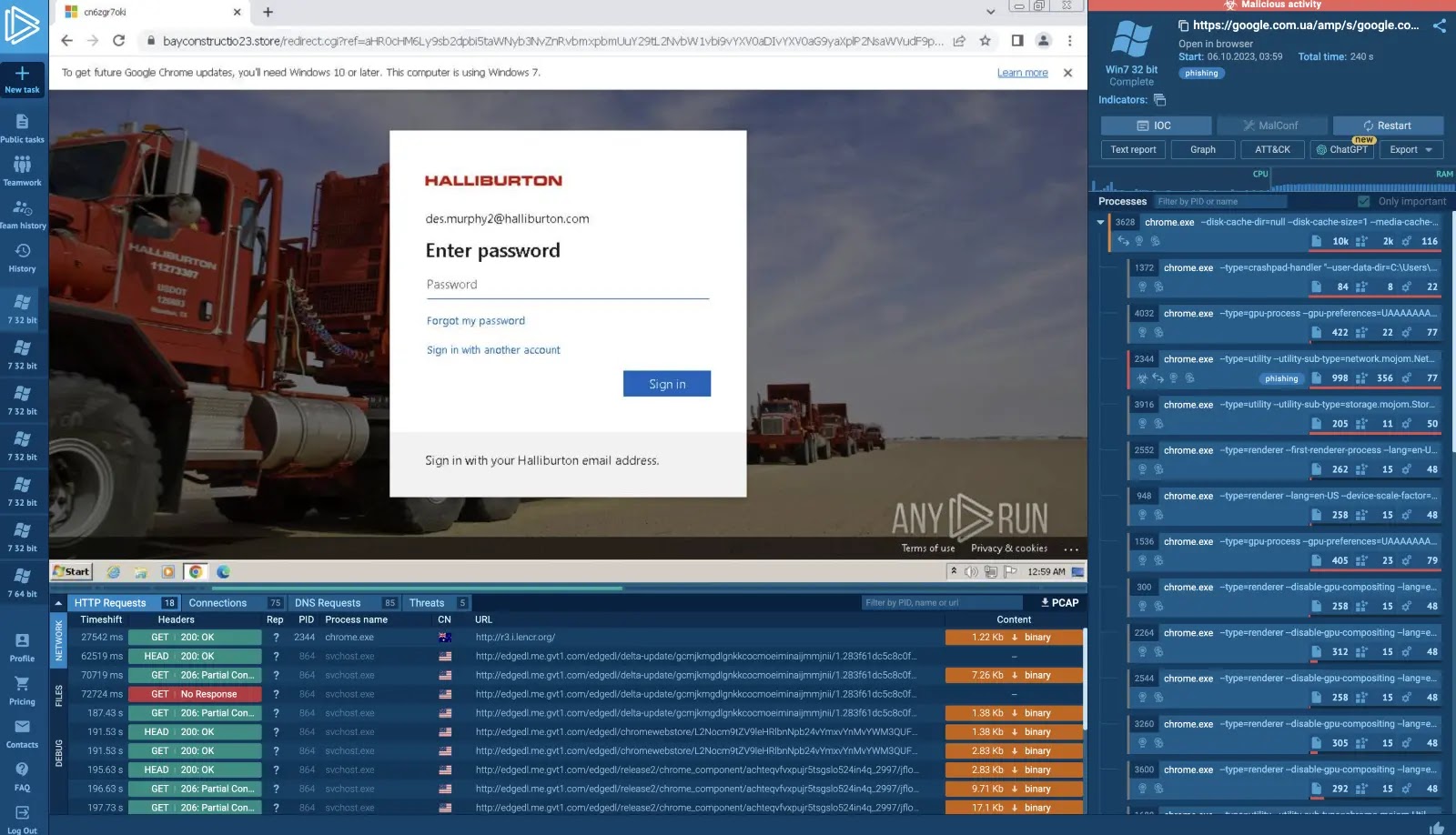
Administrators can automate tasks like domain registration and DNS configuration, create separate phishing sites, and clone organizational branding. This capability enables the generation of branded phishing emails directing employees to these fraudulent sites.
Strategies for Defense Against Vishing Attacks
Organizations are advised to treat unsolicited support calls as verification challenges rather than mere user-awareness issues. Employees should be equipped with trusted methods to verify helpdesk personnel identities before sharing sensitive information or following instructions received through any communication channel.
Okta suggests implementing phishing-resistant authenticators, such as passkeys and smart cards, over methods vulnerable to verbal approval during calls. Security teams should restrict application access to managed devices, notify users about authenticator changes, and limit alterations based on device and network context.
Furthermore, location-based restrictions can mitigate exposure by blocking sign-ins from unauthorized regions. Given Work Panel’s capability to swiftly replicate brands and rebuild infrastructure, prompt investigation of unusual authentication activities is crucial, especially following unexpected support interactions or repeated login prompts.
In conclusion, the dynamic nature of credential theft necessitates robust identity controls, underscoring the need for organizations to remain vigilant and adaptive in their cybersecurity strategies.