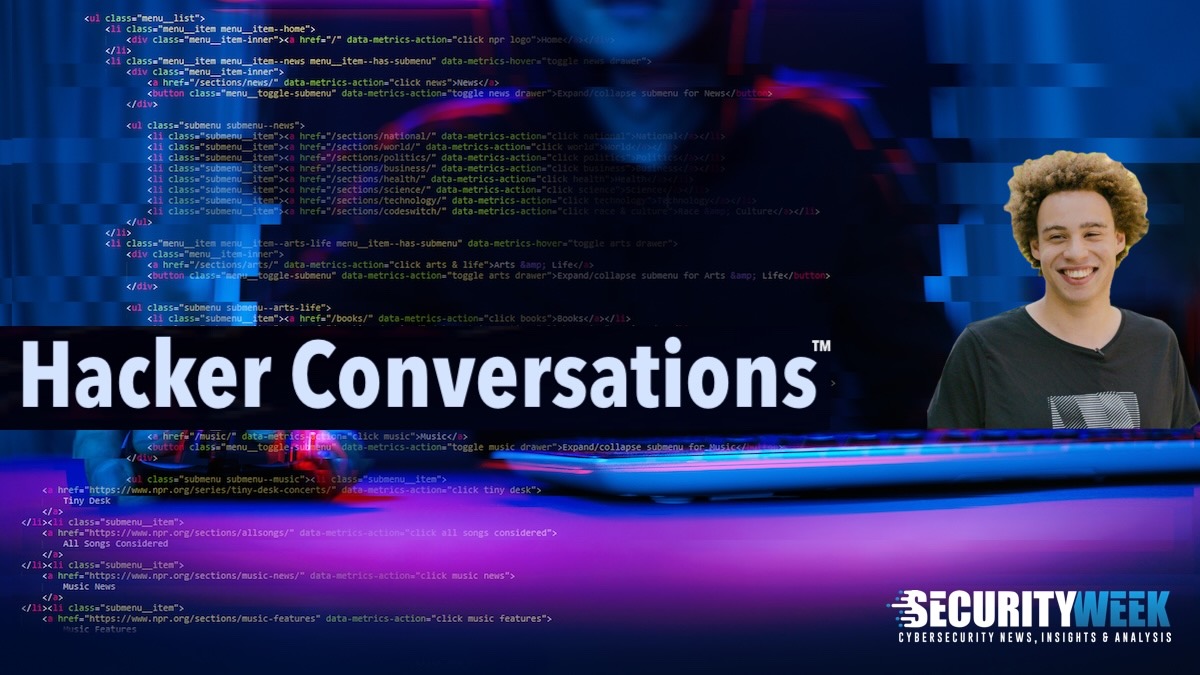
Marcus Hutchins, once entangled in the world of hacking, has emerged as a prominent figure in cybersecurity. Born in Ascot, England, Hutchins first gained international recognition in 2017 when, at the age of 22, he discovered a kill switch for the destructive ransomware known as WannaCry. Despite his reluctance to label himself a hacker, Hutchins’ actions during this global crisis cemented his status as a cybersecurity hero.
The Early Days of Curiosity
From a young age, Hutchins displayed an undeniable curiosity about how systems worked. This fascination, fueled by his neurodiverse mind, led him to explore various aspects of technology, from electronic systems to quantum physics. His journey into programming began at 13, where he self-taught multiple coding languages, including VB and C++. This intense focus, however, came at the expense of his formal education.
Hutchins’ skills drew him into online communities where cybercrime was a common topic. Although he primarily saw himself as a coder, his involvement with these groups blurred the lines between ethical and unethical practices. He provided software that facilitated hacking, yet remained somewhat detached from the direct consequences of its misuse.
A Turning Point in Cybersecurity
The realization of the potential damage his work could cause prompted Hutchins to seek legitimate employment. This shift led him to a role as a research and development lead at a cybersecurity firm in Los Angeles. Embracing his new path, he applied his skills to combat cyber threats, culminating in his pivotal role during the WannaCry outbreak.
WannaCry exploited a leaked NSA tool, EternalBlue, spreading rapidly across the globe. Hutchins discovered an unregistered domain within the malware’s code and, by registering it, inadvertently activated a kill switch that halted the spread of the ransomware. This act of heroism showcased his deep understanding of cybersecurity and his commitment to mitigating cyber threats.
The Legal Battle and Redemption
Despite his heroic efforts, Hutchins’ past caught up with him. In the aftermath of WannaCry, he was arrested by the FBI for previous involvement in cybercrime activities. After a lengthy court battle, he pleaded guilty to certain charges but was recognized by the judge for his rehabilitation and contributions to the cybersecurity field. He was sentenced to one year of probation, which marked a turning point in his life.
Today, Hutchins continues to leverage his expertise for the betterment of cybersecurity. At age 32, he serves as the Principal Threat Researcher at Expel, where he focuses on cyber threat intelligence and educates others through his blog, MalwareTech. His journey from the gray areas of cybercrime to becoming a respected figure in cybersecurity highlights the potential for redemption and growth.
A Future in Cybersecurity
Hutchins’ story underscores the importance of ethical considerations in the cybersecurity industry. His transformation from a misunderstood coder to a cybersecurity advocate serves as an inspiration for others navigating similar paths. As he continues his work, Hutchins remains a testament to the power of change and the impact one can have in safeguarding the digital world.