Skip to content
  • Home
  • Cyber Map
  • About Us – Contact
  • Disclaimer
  • Terms and Rules
  • Privacy Policy
Cyber Web Spider Blog – News

Cyber Web Spider Blog – News

Globe Threat Map provides a real-time, interactive 3D visualization of global cyber threats. Monitor DDoS attacks, malware, and hacking attempts with geo-located arcs on a rotating globe. Stay informed with live logs and archive stats.

  • Home
  • Cyber Map
  • Cyber Security News
  • Security Week News
  • The Hacker News
  • How To?
  • Toggle search form
Marcus Hutchins: From Cybercrime to Cybersecurity Hero

Marcus Hutchins: From Cybercrime to Cybersecurity Hero

Posted on August 11, 2026 By CWS

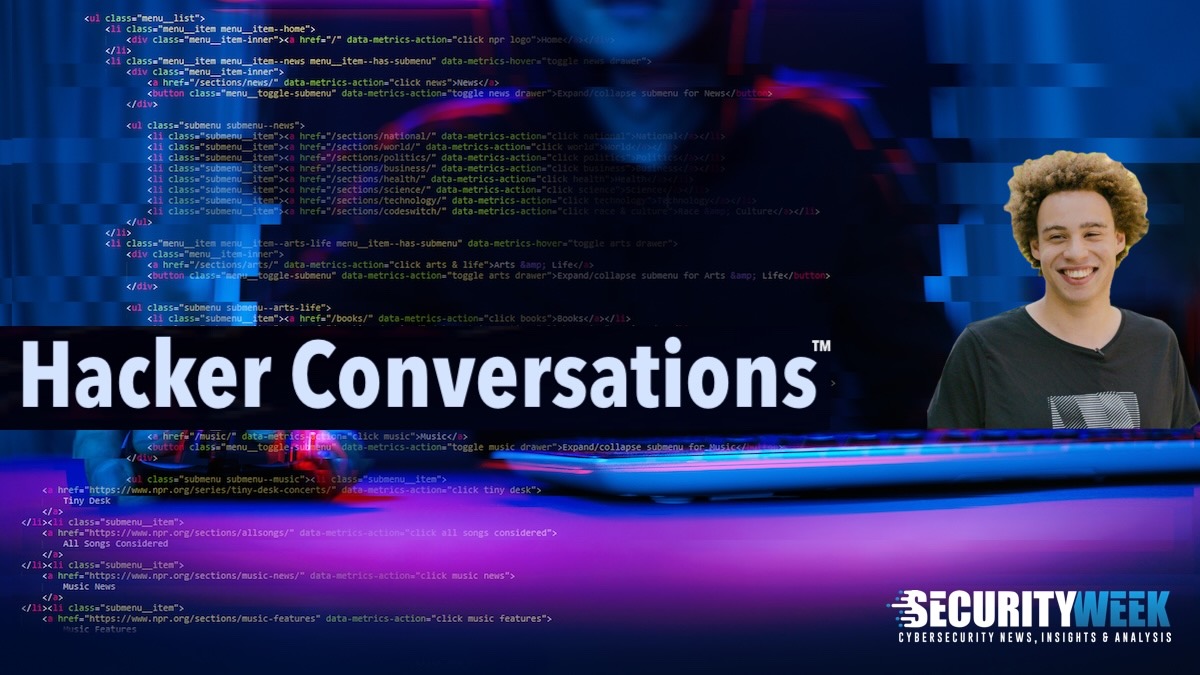
Marcus Hutchins, once entangled in the world of hacking, has emerged as a prominent figure in cybersecurity. Born in Ascot, England, Hutchins first gained international recognition in 2017 when, at the age of 22, he discovered a kill switch for the destructive ransomware known as WannaCry. Despite his reluctance to label himself a hacker, Hutchins’ actions during this global crisis cemented his status as a cybersecurity hero.

The Early Days of Curiosity

From a young age, Hutchins displayed an undeniable curiosity about how systems worked. This fascination, fueled by his neurodiverse mind, led him to explore various aspects of technology, from electronic systems to quantum physics. His journey into programming began at 13, where he self-taught multiple coding languages, including VB and C++. This intense focus, however, came at the expense of his formal education.

Hutchins’ skills drew him into online communities where cybercrime was a common topic. Although he primarily saw himself as a coder, his involvement with these groups blurred the lines between ethical and unethical practices. He provided software that facilitated hacking, yet remained somewhat detached from the direct consequences of its misuse.

A Turning Point in Cybersecurity

The realization of the potential damage his work could cause prompted Hutchins to seek legitimate employment. This shift led him to a role as a research and development lead at a cybersecurity firm in Los Angeles. Embracing his new path, he applied his skills to combat cyber threats, culminating in his pivotal role during the WannaCry outbreak.

WannaCry exploited a leaked NSA tool, EternalBlue, spreading rapidly across the globe. Hutchins discovered an unregistered domain within the malware’s code and, by registering it, inadvertently activated a kill switch that halted the spread of the ransomware. This act of heroism showcased his deep understanding of cybersecurity and his commitment to mitigating cyber threats.

The Legal Battle and Redemption

Despite his heroic efforts, Hutchins’ past caught up with him. In the aftermath of WannaCry, he was arrested by the FBI for previous involvement in cybercrime activities. After a lengthy court battle, he pleaded guilty to certain charges but was recognized by the judge for his rehabilitation and contributions to the cybersecurity field. He was sentenced to one year of probation, which marked a turning point in his life.

Today, Hutchins continues to leverage his expertise for the betterment of cybersecurity. At age 32, he serves as the Principal Threat Researcher at Expel, where he focuses on cyber threat intelligence and educates others through his blog, MalwareTech. His journey from the gray areas of cybercrime to becoming a respected figure in cybersecurity highlights the potential for redemption and growth.

A Future in Cybersecurity

Hutchins’ story underscores the importance of ethical considerations in the cybersecurity industry. His transformation from a misunderstood coder to a cybersecurity advocate serves as an inspiration for others navigating similar paths. As he continues his work, Hutchins remains a testament to the power of change and the impact one can have in safeguarding the digital world.


Security Week News Tags:cyber threat analyst, cyber threat intelligence, Cybercrime, Cybersecurity, ethical hacking, Expel, FBI arrest, Hacker, Malware, MalwareTech, Marcus Hutchins, neurodiversity, Ransomware, WannaCry

Post navigation

Previous Post: LiteLLM Attack Risks 2,500 Companies and 434,000 Pipelines
Next Post: CISA Alerts on Exploited SonicWall Vulnerabilities

Related Posts

Microsoft Bug Bounty Program Expanded to Third-Party Code Microsoft Bug Bounty Program Expanded to Third-Party Code Security Week News
Hackers Accessed University of Hawaii Cancer Center Patient Data; They Weren’t Immediately Notified Hackers Accessed University of Hawaii Cancer Center Patient Data; They Weren’t Immediately Notified Security Week News
AI Threat Detection Startup Scanner Secures M Funding AI Threat Detection Startup Scanner Secures $22M Funding Security Week News
GitHub Codespaces Vulnerability Exploited for Repository Control GitHub Codespaces Vulnerability Exploited for Repository Control Security Week News
Android Update Patches Critical Remote Code Execution Flaw Android Update Patches Critical Remote Code Execution Flaw Security Week News
Microsoft Patches Over 100 Vulnerabilities Microsoft Patches Over 100 Vulnerabilities Security Week News

Categories

  • Cyber Security News
  • How To?
  • Security Week News
  • The Hacker News

Recent Posts

  • CISA Alerts on Exploited SonicWall Vulnerabilities
  • Marcus Hutchins: From Cybercrime to Cybersecurity Hero
  • LiteLLM Attack Risks 2,500 Companies and 434,000 Pipelines
  • Anthropic Introduces Watermarks for Claude AI Content
  • ClamAV Vulnerabilities Expose Systems to Denial of Service

Pages

  • About Us – Contact
  • Disclaimer
  • Privacy Policy
  • Terms and Rules

Archives

  • August 2026
  • July 2026
  • June 2026
  • May 2026
  • April 2026
  • March 2026
  • February 2026
  • January 2026
  • December 2025
  • November 2025
  • October 2025
  • September 2025
  • August 2025
  • July 2025
  • June 2025
  • May 2025

Recent Posts

  • CISA Alerts on Exploited SonicWall Vulnerabilities
  • Marcus Hutchins: From Cybercrime to Cybersecurity Hero
  • LiteLLM Attack Risks 2,500 Companies and 434,000 Pipelines
  • Anthropic Introduces Watermarks for Claude AI Content
  • ClamAV Vulnerabilities Expose Systems to Denial of Service

Pages

  • About Us – Contact
  • Disclaimer
  • Privacy Policy
  • Terms and Rules

Categories

  • Cyber Security News
  • How To?
  • Security Week News
  • The Hacker News

Copyright © 2026 Cyber Web Spider Blog – News.

Powered by PressBook Masonry Dark