In an era where network security is paramount, software-defined perimeter (SDP) solutions have emerged as a critical tool for ensuring that infrastructure remains invisible to unauthorized individuals. By preventing unauthenticated connections, these solutions thwart potential attackers from scanning or exploiting unseen resources. As we look towards 2026, several key players dominate the SDP landscape, each offering unique advantages tailored to different organizational needs.
Leading SDP Solutions in 2026
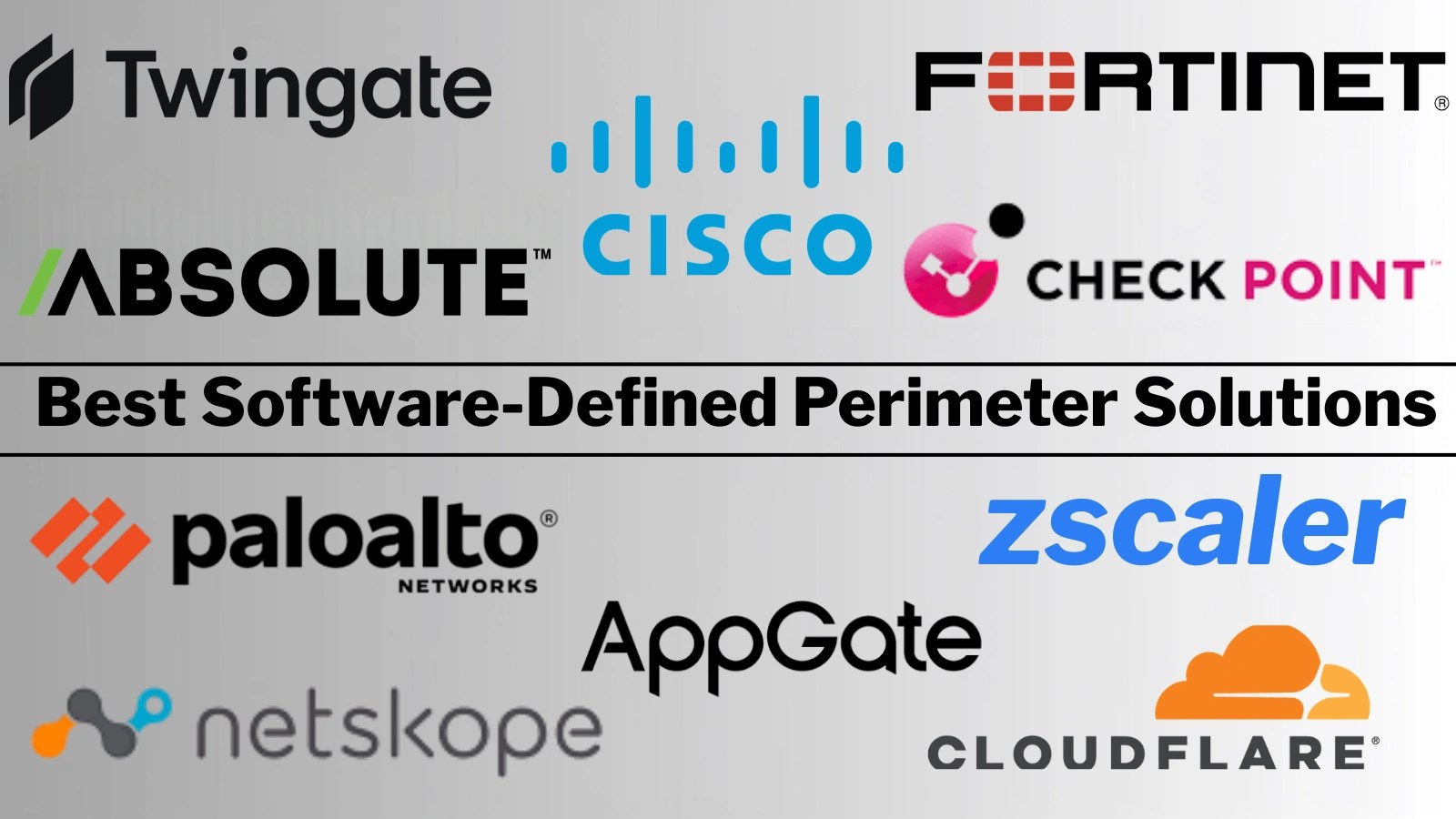
Zscaler stands out for its ability to operate at an enterprise scale, providing a robust broker network that keeps applications off the public internet. Appgate, meanwhile, is celebrated for its adherence to the original SDP architecture, utilizing single-packet authorization to achieve unseen security. For smaller teams eager to transition from traditional VPNs, Twingate offers a swift deployment path with its least-privilege access model, often implemented within hours.
Cloudflare provides a versatile solution with a free tier, appealing to businesses seeking an entry-level option that can scale to enterprise requirements. Check Point Harmony SASE brings a security-vendor-backed approach with transparent pricing suitable for small to medium businesses. Each solution offers distinct benefits, making it crucial for organizations to assess their specific needs before choosing a platform.
Understanding SDP and ZTNA
The concept of software-defined perimeter revolves around pre-authentication of users and devices before network access is granted. This is achieved through a one-to-one encrypted tunnel, ensuring that the infrastructure remains hidden from unauthorized scans. Over time, the term SDP has evolved into what is now known as Zero Trust Network Access (ZTNA), a category encompassing commercial products that adhere to SDP principles.
While vendors often use SDP and ZTNA interchangeably, it is essential for decision-makers to focus on whether a product truly conceals resources from unauthenticated users rather than the terminology it uses. Such scrutiny is critical in a landscape where internet-facing remote-access appliances are frequently targeted by attackers.
Evaluating the Best SDP Options
When assessing SDP solutions, several factors must be considered. These include the architecture’s ability to genuinely conceal resources, trust mechanisms for identity and devices, coverage of legacy protocols and cloud applications, performance metrics such as latency, and commercial transparency. Pricing is also a crucial consideration, with most enterprise solutions offering quote-based models.
Among the top contenders, Zscaler is recognized for its extensive data center network and integration with secure web gateway solutions. Appgate is noted for its meticulous implementation of the Cloud Security Alliance’s model, appealing to government and enterprise environments that require stringent security measures. Twingate’s API-native approach allows for rapid deployment, making it a popular choice for teams transitioning from traditional VPNs.
Conclusion and Future Outlook
As organizations continue to prioritize zero trust architectures, software-defined perimeters will play a pivotal role in safeguarding network security. The choice of an SDP solution should align with an organization’s broader security strategy, ensuring that resources remain invisible to threats. As 2026 approaches, the emphasis on robust, adaptable, and scalable security solutions will only grow, making it imperative for businesses to stay informed and proactive in their cybersecurity efforts.