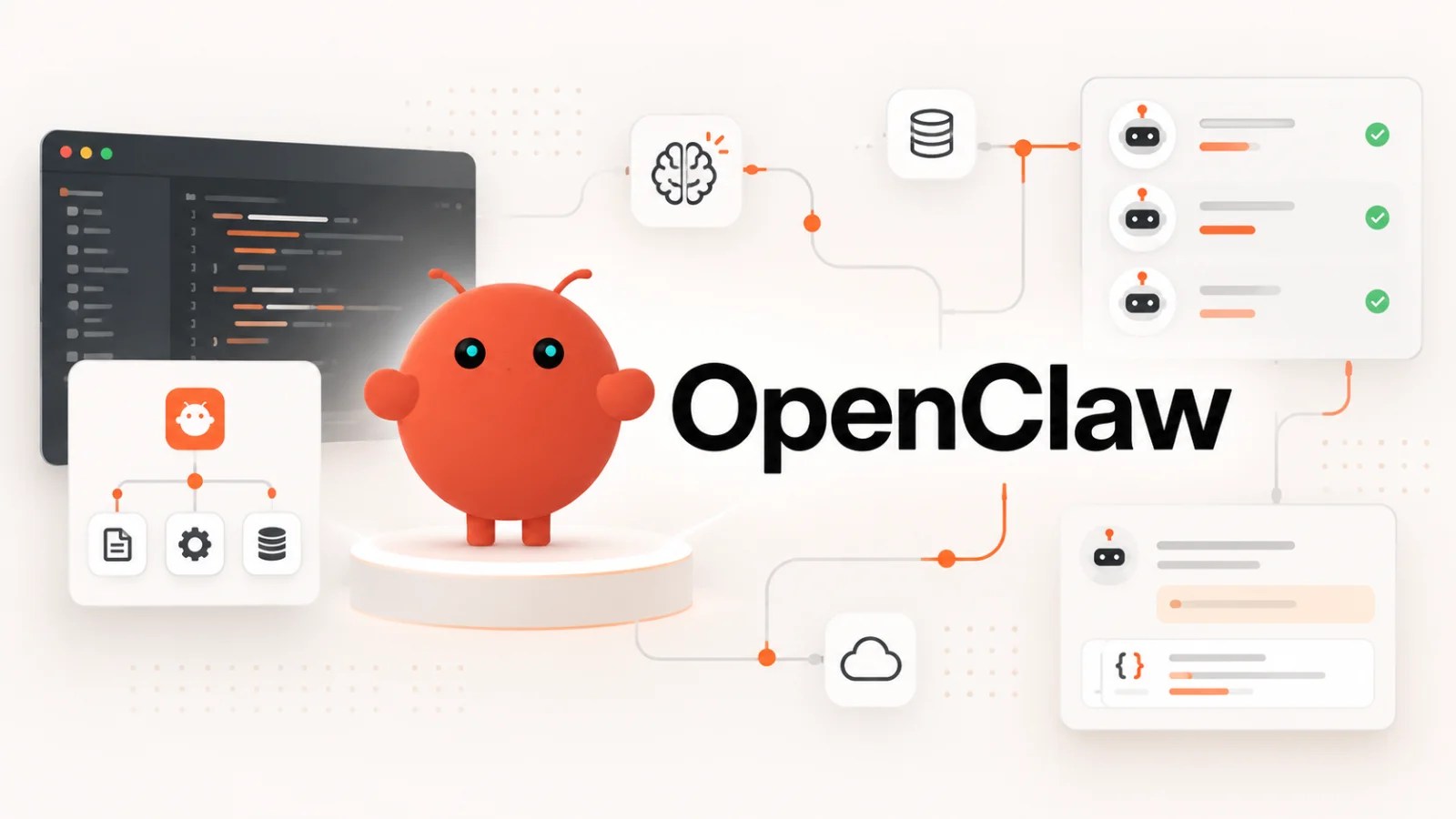
OpenClaw has introduced OpenClaw Enterprise (OCE), a complimentary open-source solution designed to facilitate the operation of persistent AI agents within organizations, offering improved security and centralized management.
Launch and Development Details
Announced on September 29, 2026, OpenClaw’s initiative targets enterprises seeking to deploy AI agents for continuous tasks without compromising sensitive systems. The platform is currently in the development phase, with a full version expected to release later this year. OpenClaw advises its use in pilot projects rather than full-scale deployment at this stage.
The OCE platform incorporates an enterprise control plane, serving as a centralized layer for agent deployment, rule-setting, and activity monitoring. It supports multi-tenancy, ensuring security boundaries between trusted and untrusted workloads.
Security and Governance Features
OpenClaw emphasizes security through sandboxing, precise permission allocation, and large language model reviews. These features aim to restrict agent access while maintaining their operational capabilities. Comprehensive governance and audit trails extend throughout an agent’s lifecycle, enabling detailed activity tracking and decision reviews.
The initiative addresses organizational concerns regarding security and governance standards for AI agents, as highlighted in previous reports. Past incidents, such as data leaks from indirect prompt injections, underscore the necessity of robust controls.
Collaborations and Future Outlook
The project, initially conceived at OpenAI, now operates independently under the OpenClaw Foundation with development support from Red Hat and NVIDIA. The platform remains free under the MIT license, reflecting its commitment to vendor neutrality. Organizations can substitute the model, sandbox, or agent harness with alternatives that suit their existing infrastructure.
OpenClaw provides resources for self-hosting OCE via its GitHub repository, with Kubernetes facilitating internal deployment. Despite being free, users should consider infrastructure and model-service costs.
OpenAI and Red Hat are currently piloting the platform internally. The foundation plans to release a security reference architecture soon, offering additional tools for security teams to evaluate and test the platform.
As the platform evolves, organizations are encouraged to verify isolation, permissions, audit coverage, and plugin behavior before expanding its use to critical workloads.