Skip to content
  • Home
  • Cyber Map
  • About Us – Contact
  • Disclaimer
  • Terms and Rules
  • Privacy Policy
Cyber Web Spider Blog – News

Cyber Web Spider Blog – News

Globe Threat Map provides a real-time, interactive 3D visualization of global cyber threats. Monitor DDoS attacks, malware, and hacking attempts with geo-located arcs on a rotating globe. Stay informed with live logs and archive stats.

  • Home
  • Cyber Map
  • Cyber Security News
  • Security Week News
  • The Hacker News
  • How To?
  • Toggle search form
Employee Devices at Risk from Bandwidth-Sharing Apps

Employee Devices at Risk from Bandwidth-Sharing Apps

Posted on August 21, 2026 By CWS

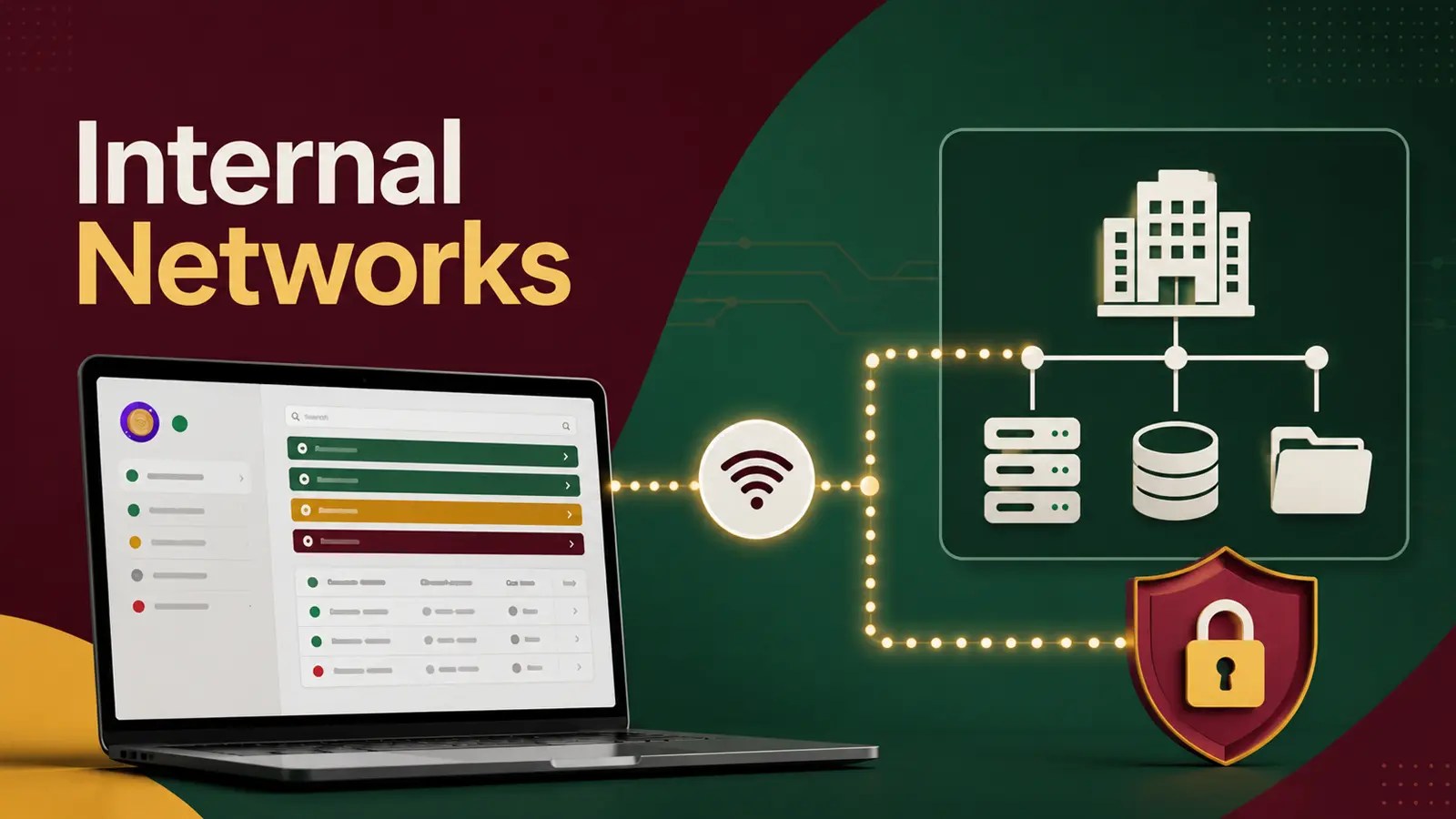
An increasing number of companies are facing potential security threats due to bandwidth-sharing applications, which can convert employee devices into entry points for external traffic. These applications, while not traditional malware, can still expose internal networks to risk. One such app, Peer2Profit, has drawn attention for its ability to turn user devices into gateways for proxy networks like Astroproxy.

Understanding the Threat

Peer2Profit allows users to earn money by sharing their unused internet bandwidth. However, researchers from Silent Push found that this service effectively enrolls devices into Astroproxy’s network, reselling their connections as proxy access. This revelation highlights how consumer applications can inadvertently create security vulnerabilities without triggering antivirus systems.

The broader issue concerns residential proxy networks, which disguise traffic as originating from legitimate sources, making it challenging for security tools to distinguish between genuine and malicious activities. Such networks facilitate various cyber threats, including account takeovers and fraud.

Research Findings and Implications

During a 72-hour period, Silent Push identified over 117,000 unique IP addresses in Astroproxy’s pools, with residential proxies rapidly increasing in number. This rapid growth can outpace traditional IP reputation tracking. The report, shared with Cyber Security News, warns that devices, including those on corporate networks, could be compromised by employees seeking minor financial gains.

The potential consequences are significant, ranging from misuse of a company’s IP address for illicit activities to reputational damage. Peer2Profit pays its users modest sums for bandwidth, but charges much higher rates to its customers, underscoring why these connections are valuable to proxy operators.

Mitigation Strategies

To address these risks, companies should review their software policies and monitor DNS activities. Inspecting browser extensions and consumer apps for unauthorized connections is crucial. Furthermore, the discovery of a DNS bypass capability that allowed access to internal resources underlines the need for more robust network segmentation and management interface restrictions.

Organizations must proactively identify devices running bandwidth-sharing software and block unnecessary connections. Clear policies, employee education, and regular security reviews can mitigate the risk of devices being exploited as proxy nodes.

Future Outlook

As the landscape of cyber threats evolves, the importance of treating bandwidth-sharing applications as a serious security concern grows. Implementing comprehensive network security measures and maintaining vigilance against unauthorized software can help protect corporate networks from becoming unwitting participants in proxy networks.

Cyber Security News Tags:Astroproxy, bandwidth-sharing, corporate security, Cybersecurity, DNS bypass, employee devices, internal network access, network security, network threats, Peer2Profit, proxy networks, security policies, Silent Push, threat intelligence

Post navigation

Previous Post: Cyber Threats: Fake Google Gemini Installer Distributes Vidar Stealer
Next Post: Cryptographic Context Injection Threatens AI Safety

Related Posts

Phishing Campaigns Exploit RMM Tools for Unauthorized Access Phishing Campaigns Exploit RMM Tools for Unauthorized Access Cyber Security News
BlueHammer Exploit Affects Windows Defender Security BlueHammer Exploit Affects Windows Defender Security Cyber Security News
Google Restricts OpenClaw Access Due to OAuth Token Misuse Google Restricts OpenClaw Access Due to OAuth Token Misuse Cyber Security News
Multiple Ivanti Endpoint Manager Vulnerabilities Allows Remote Code Execution Multiple Ivanti Endpoint Manager Vulnerabilities Allows Remote Code Execution Cyber Security News
RoadK1ll Malware Threatens Network Security with Stealthy Relays RoadK1ll Malware Threatens Network Security with Stealthy Relays Cyber Security News
Hackers Pose as Linux Leader on Slack to Target Developers Hackers Pose as Linux Leader on Slack to Target Developers Cyber Security News

Categories

  • Cyber Security News
  • How To?
  • Security Week News
  • The Hacker News

Recent Posts

  • Critical Spring Security Vulnerability Exposes LDAP Servers
  • Cryptographic Context Injection Threatens AI Safety
  • Employee Devices at Risk from Bandwidth-Sharing Apps
  • Cyber Threats: Fake Google Gemini Installer Distributes Vidar Stealer
  • Critical Vulnerability in Isolated-vm Allows Host RCE

Pages

  • About Us – Contact
  • Disclaimer
  • Privacy Policy
  • Terms and Rules

Archives

  • August 2026
  • July 2026
  • June 2026
  • May 2026
  • April 2026
  • March 2026
  • February 2026
  • January 2026
  • December 2025
  • November 2025
  • October 2025
  • September 2025
  • August 2025
  • July 2025
  • June 2025
  • May 2025

Recent Posts

  • Critical Spring Security Vulnerability Exposes LDAP Servers
  • Cryptographic Context Injection Threatens AI Safety
  • Employee Devices at Risk from Bandwidth-Sharing Apps
  • Cyber Threats: Fake Google Gemini Installer Distributes Vidar Stealer
  • Critical Vulnerability in Isolated-vm Allows Host RCE

Pages

  • About Us – Contact
  • Disclaimer
  • Privacy Policy
  • Terms and Rules

Categories

  • Cyber Security News
  • How To?
  • Security Week News
  • The Hacker News

Copyright © 2026 Cyber Web Spider Blog – News.

Powered by PressBook Masonry Dark