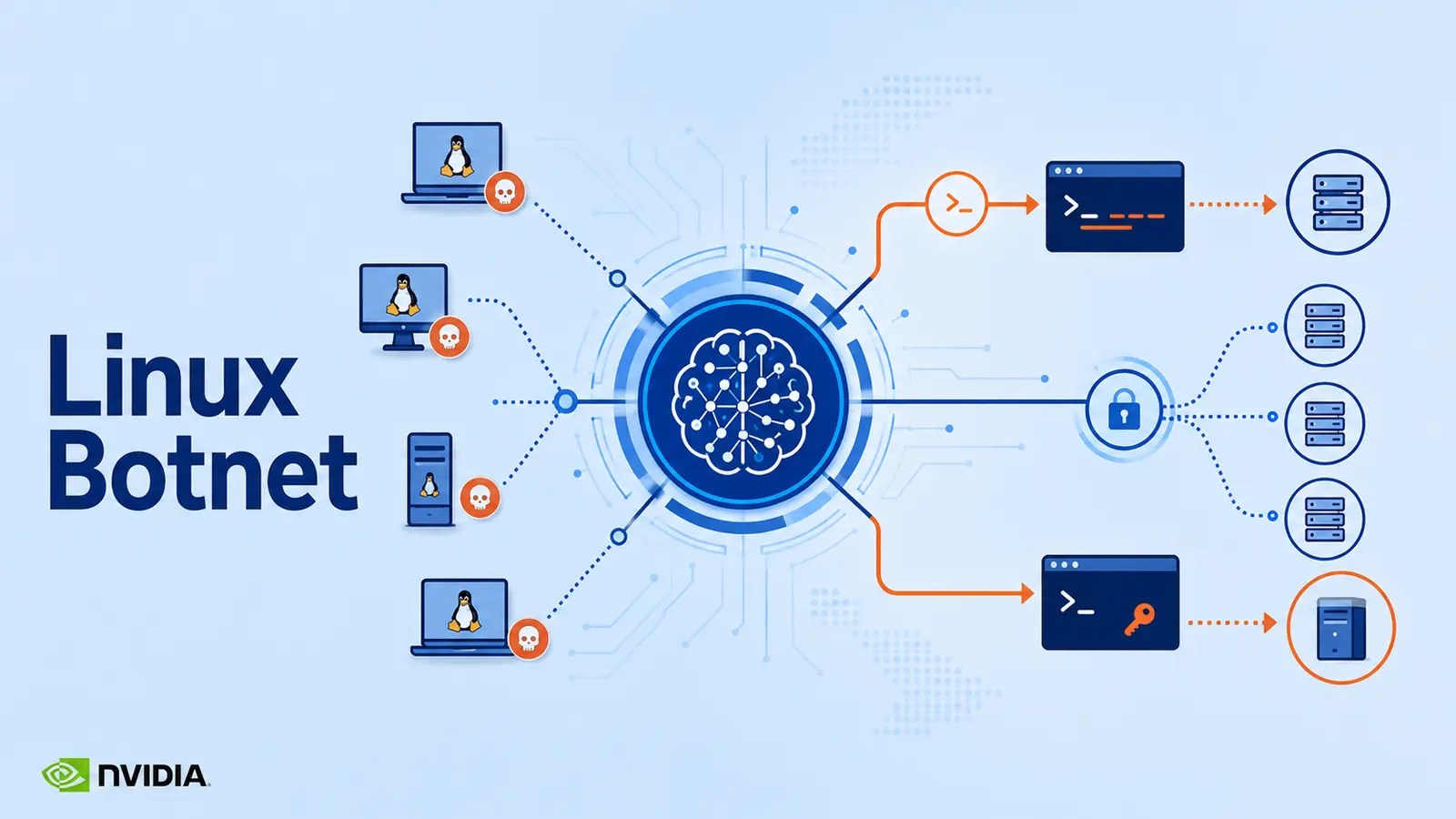
The ToxNetV2 botnet has emerged as a sophisticated threat to Linux systems, leveraging artificial intelligence to enhance its operational capabilities. This malware, particularly targeting AArch64 Linux platforms, utilizes an AI service to transform system and botnet data into actionable commands. Operators are thus enabled to swiftly determine their next steps, amplifying the botnet’s potency in executing cyber attacks.
AI Integration in ToxNetV2
Central to ToxNetV2’s functionality is its integration with NVIDIA’s AI technology. Instead of merely generating text, the AI component processes operational context to propose actions for human operators. This design choice streamlines decision-making processes, though it still requires human intervention for high-impact operations, maintaining a level of control over the botnet’s activities.
The botnet’s architecture is peer-to-peer, enhancing its resilience and efficiency in command and control. It boasts a comprehensive toolkit, including capabilities for host management, network scanning, and a variety of network attack vectors. These features render it a formidable threat to inadequately secured internet-facing devices and servers.
Operational Mechanics and Threat Scope
Upon activation, ToxNetV2’s controller communicates with the NVIDIA NIM system using the z-ai/glm-5.2 model. This interaction allows for the collection of both local and botnet-wide data, including processor load and memory usage. The AI model then generates task suggestions that operators can evaluate and execute, ranging from local shell commands to remote SSH operations.
Despite its advanced capabilities, ToxNetV2 does not autonomously execute all AI-generated proposals. Critical actions require authentication and operator approval, ensuring that there is a human element in the decision-making loop. This structure emphasizes the importance of securing systems against potential misuse, particularly through exposed services and weak authentication methods.
Implications for Cybersecurity
The advent of AI-enhanced botnets like ToxNetV2 signals a shift in the cybersecurity landscape. Security professionals must remain vigilant, monitoring for unusual network traffic, especially outbound AI-service communications. Implementing robust security measures, such as restricting SSH access and maintaining up-to-date system patches, is crucial in mitigating the risk posed by such sophisticated threats.
Recent incidents underscore the necessity for proactive defense strategies. Automated botnet campaigns and infections highlight the vulnerabilities of unprotected networks. By focusing on comprehensive monitoring and strong authentication practices, organizations can better defend against the evolving threat posed by AI-driven cyber actors.
In conclusion, ToxNetV2 exemplifies the potential of AI in cyber operations, offering both challenges and opportunities for improvement in network defense strategies. As cybersecurity threats continue to evolve, understanding and adapting to these new dynamics will be essential for maintaining effective protection.