Skip to content
  • Home
  • Cyber Map
  • About Us – Contact
  • Disclaimer
  • Terms and Rules
  • Privacy Policy
Cyber Web Spider Blog – News

Cyber Web Spider Blog – News

Globe Threat Map provides a real-time, interactive 3D visualization of global cyber threats. Monitor DDoS attacks, malware, and hacking attempts with geo-located arcs on a rotating globe. Stay informed with live logs and archive stats.

  • Home
  • Cyber Map
  • Cyber Security News
  • Security Week News
  • The Hacker News
  • How To?
  • Toggle search form
Microsoft Enhances Windows Safety with Age Verification

Microsoft Enhances Windows Safety with Age Verification

Posted on September 9, 2026 By CWS

Microsoft has unveiled significant enhancements to its Windows Family Safety features, incorporating account-based age verification, privacy-centric age signals, and advanced parental controls. These updates aim to align protections with users’ ages across Windows applications and services.

Introduction of Age Verification in Microsoft Accounts

Central to this initiative is the Microsoft account, serving as the primary identity layer for family safety across Windows. This system identifies users as children, teenagers, or adults, applying appropriate parental controls and confirming age verification when necessary.

This framework ensures that age-related safeguards are consistent across Windows devices and compatible applications. By utilizing the platform’s capabilities, developers can apply age-appropriate restrictions without requiring parents to set up controls individually for each app.

Windows Age API and Its Role

A key element of the update is the Windows Age API, which provides developers with access to age-related data without compromising personal information, such as users’ exact birthdates. The API categorizes users into age groups like under 10, 10-12, 13-15, 16-17, and 18+.

These age bands enable developers to tailor content, features, communication tools, purchasing options, and safety settings to suit younger users. Furthermore, the GetAgeVerificationStatusAsync API offers a robust method for verifying ages beyond self-reported data.

Enhanced Parental Controls and Global Expansion

Windows is also enhancing the visibility of parental controls during device setup in various regions, including France. This change means families can access and activate protections more easily as part of the onboarding process.

Microsoft has improved Family Safety with faster approval processes, more detailed activity reports, and expanded management options. These improvements underscore Microsoft’s commitment to integrating age-aware safety measures throughout Windows platforms.

Currently available to Windows Insiders, the updated Windows Age APIs will soon be accessible to the broader user base, positioning Windows as a leader in age-sensitive safety and privacy controls.

As global regulatory demands for online age verification grow, Microsoft plans to extend its age verification services to additional countries, building on its existing presence in Singapore, Brazil, and Australia.

These developments reflect Microsoft’s ongoing effort to provide a secure, controlled environment for young users, ensuring that their digital experiences are both safe and age-appropriate.


Cyber Security News Tags:age verification, API, child safety, Microsoft, parental controls, Privacy, software development, technology news, Windows Family Safety, Windows Update

Post navigation

Previous Post: Security Updates from AMD, Arm, and Nvidia
Next Post: U.S. Halts Xinbi Scam Network, Freezes $52.8M in Crypto

Related Posts

Hackers Leverage Built-in MacOS Protection Features to Deploy Malware Hackers Leverage Built-in MacOS Protection Features to Deploy Malware Cyber Security News
Angular HTTP Client Vulnerability Exposes XSRF Token to an Attacker-Controlled Domain Angular HTTP Client Vulnerability Exposes XSRF Token to an Attacker-Controlled Domain Cyber Security News
CISA Urges Fortinet Device Security Amid FortiBleed Threat CISA Urges Fortinet Device Security Amid FortiBleed Threat Cyber Security News
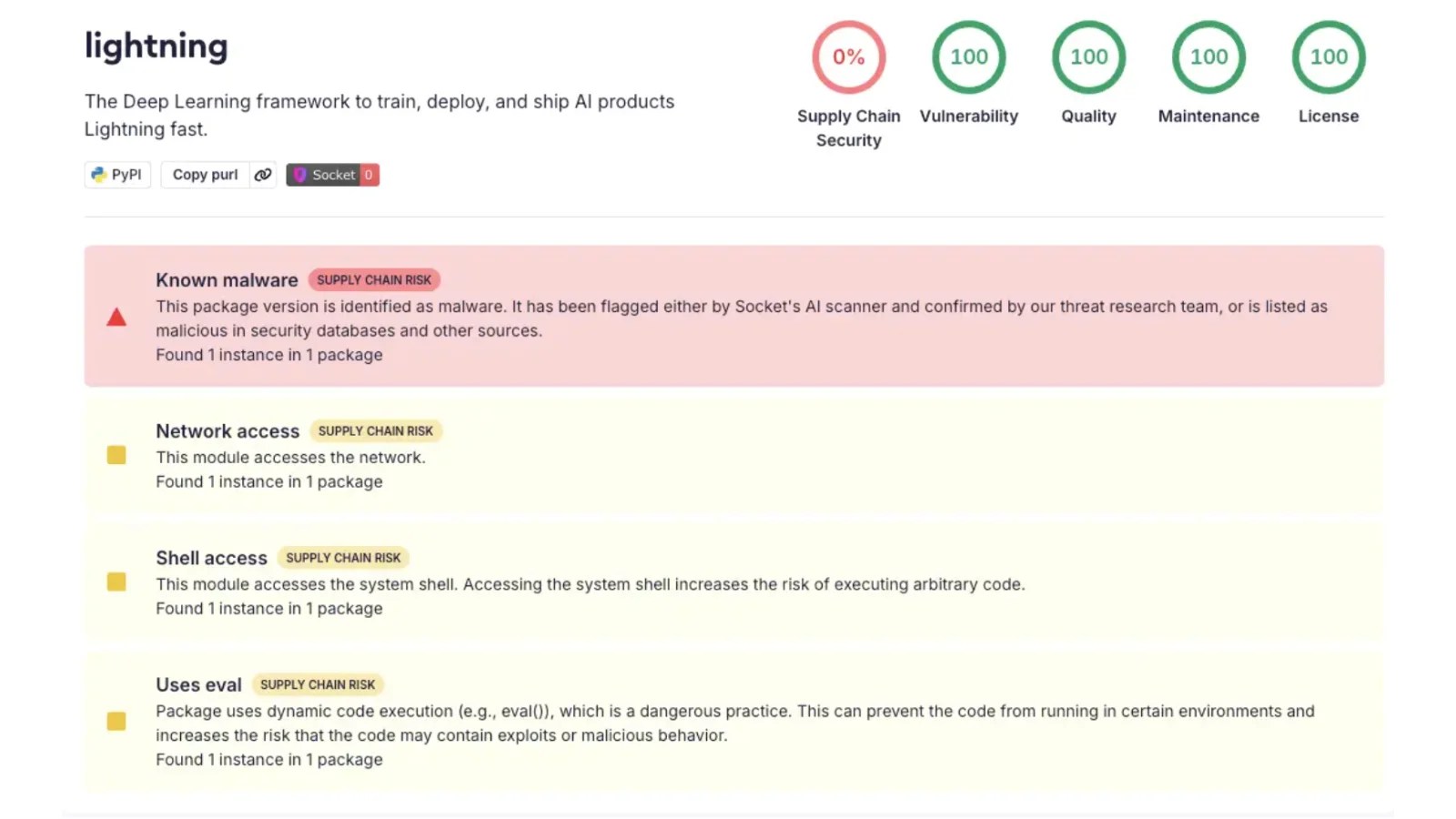
Supply Chain Attack Compromises Popular Python Package Supply Chain Attack Compromises Popular Python Package Cyber Security News
AI Agents Exploit PaperCut Vulnerabilities Globally AI Agents Exploit PaperCut Vulnerabilities Globally Cyber Security News
Windows 11 Update Resolves Bluetooth Visibility Bug Windows 11 Update Resolves Bluetooth Visibility Bug Cyber Security News

Categories

  • Cyber Security News
  • How To?
  • Security Week News
  • The Hacker News

Recent Posts

  • Google AI Features May Influence Targeted Ads
  • LiteLLM Security Breach Exposes GitHub Tokens
  • Brotli Decoder Flaw Impacts Major Software Platforms
  • Security Firm Halts Botnet Threat from Popcorn Time Updater
  • PHP Vulnerabilities Impact Palo Alto PAN-OS Systems

Pages

  • About Us – Contact
  • Disclaimer
  • Privacy Policy
  • Terms and Rules

Archives

  • October 2026
  • September 2026
  • August 2026
  • July 2026
  • June 2026
  • May 2026
  • April 2026
  • March 2026
  • February 2026
  • January 2026
  • December 2025
  • November 2025
  • October 2025
  • September 2025
  • August 2025
  • July 2025
  • June 2025
  • May 2025

Recent Posts

  • Google AI Features May Influence Targeted Ads
  • LiteLLM Security Breach Exposes GitHub Tokens
  • Brotli Decoder Flaw Impacts Major Software Platforms
  • Security Firm Halts Botnet Threat from Popcorn Time Updater
  • PHP Vulnerabilities Impact Palo Alto PAN-OS Systems

Pages

  • About Us – Contact
  • Disclaimer
  • Privacy Policy
  • Terms and Rules

Categories

  • Cyber Security News
  • How To?
  • Security Week News
  • The Hacker News

Copyright © 2026 Cyber Web Spider Blog – News.

Powered by PressBook Masonry Dark