The landscape of AWS security in 2026 is robust and multifaceted, requiring a strategic approach to protect cloud environments effectively. With AWS leading in running production workloads, securing configurations and permissions remains crucial. This guide examines the top security tools available for AWS, how they function, and their role in building a comprehensive security stack.
Understanding the Native AWS Security Layer
AWS offers several native security tools such as GuardDuty, Security Hub, and IAM Access Analyzer that form the foundational layer of cloud protection. These tools provide essential services like threat detection and posture aggregation, all at a usage-based cost. Enabling these services is a critical first step in any AWS security strategy.
GuardDuty provides threat intelligence and anomaly detection, while Security Hub aggregates findings to streamline compliance checks. IAM Access Analyzer offers complimentary analysis to identify unintended resource exposure, ensuring that AWS accounts are secure from the start.
Enhancing Security with Third-Party Tools
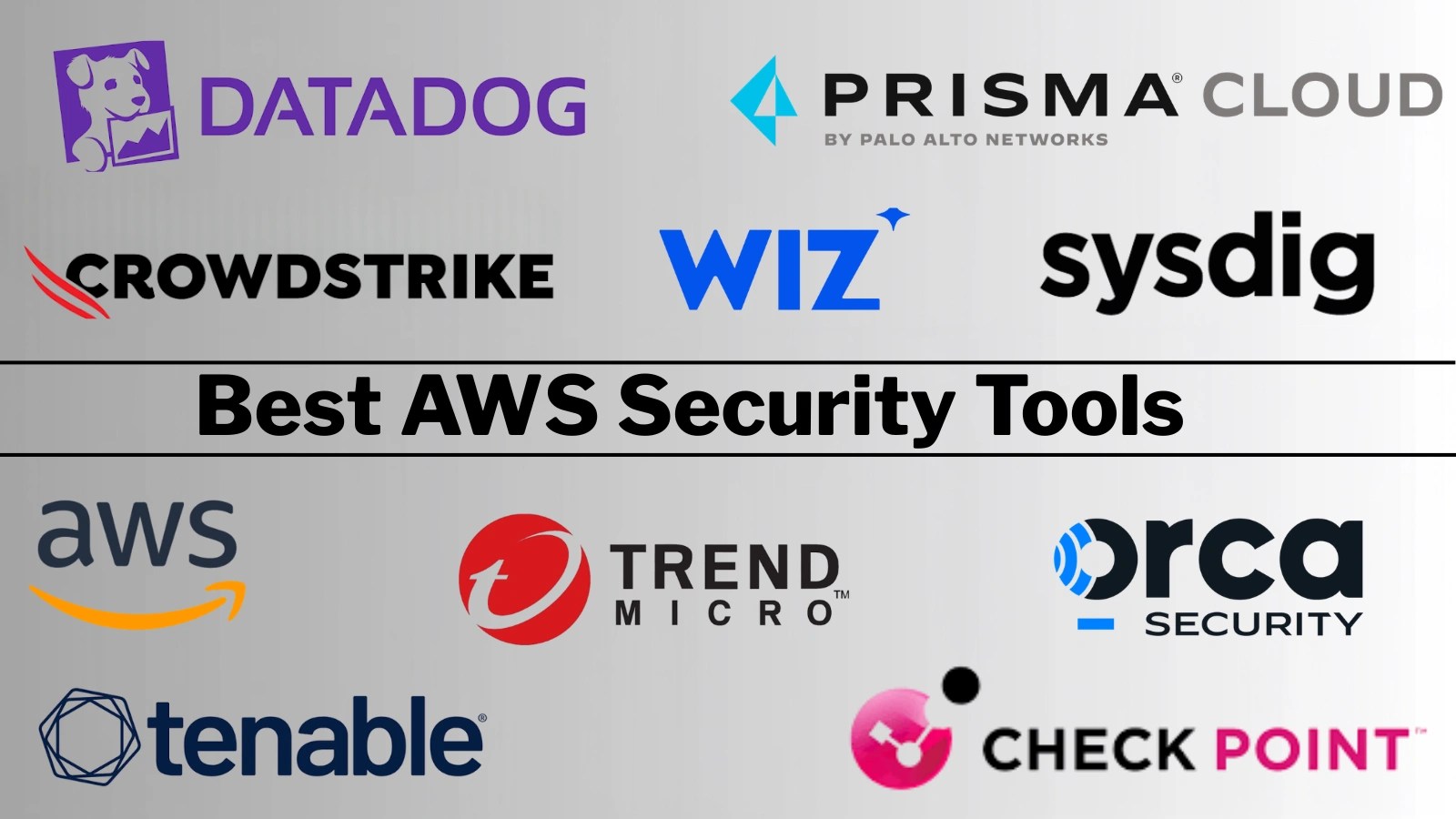
While native tools provide a strong baseline, third-party platforms like Wiz, Prisma Cloud, and CrowdStrike offer advanced features for complex environments. Wiz excels in agentless scanning, uncovering attack paths by correlating vulnerabilities with critical system roles. Prisma Cloud offers comprehensive cloud-native protection, covering everything from compliance to runtime defense.
CrowdStrike brings its expertise in endpoint detection to the cloud, focusing on real-time threat hunting and runtime protection. These tools complement AWS’s native offerings by providing cross-account correlation and enhanced attack-path prioritization.
Building a Custom AWS Security Stack
When constructing an AWS security stack, sequence is key. Begin with AWS native tools, then incorporate Prowler for additional posture checks. As your environment grows, consider third-party solutions like Wiz for its quick visibility and attack-path analysis, or Orca for agentless speed and data security.
For runtime protection, solutions like CrowdStrike and Sysdig are valuable additions, offering in-depth monitoring for containers and applications. Each tool serves a specific purpose, helping to address different aspects of cloud security from identity management to runtime defense.
Conclusion and Future Outlook
AWS security in 2026 emphasizes a strategic layering of native and third-party tools. By starting with AWS’s foundational services and scaling with advanced platforms, organizations can effectively manage security across diverse environments. With the rapid evolution of cloud threats, staying informed and adaptable is key to maintaining robust security.
Implementing a tailored security strategy that prioritizes attack-path correlation and runtime protection ensures that organizations can safeguard their AWS environments effectively, laying a strong foundation for future growth and security resilience.