Skip to content
  • Home
  • Cyber Map
  • About Us – Contact
  • Disclaimer
  • Terms and Rules
  • Privacy Policy
Cyber Web Spider Blog – News

Cyber Web Spider Blog – News

Globe Threat Map provides a real-time, interactive 3D visualization of global cyber threats. Monitor DDoS attacks, malware, and hacking attempts with geo-located arcs on a rotating globe. Stay informed with live logs and archive stats.

  • Home
  • Cyber Map
  • Cyber Security News
  • Security Week News
  • The Hacker News
  • How To?
  • Toggle search form
Thai College Website Hack Exploited for Illegal Casino Ads

Thai College Website Hack Exploited for Illegal Casino Ads

Posted on September 17, 2026 By CWS

A recent investigation by ADEX, an anti-fraud platform, reveals a sophisticated cyberattack exploiting a Thai college’s website to promote illegal online gambling. This scheme cleverly circumvented Google’s ad policies without using traditional cloaking techniques, highlighting a growing challenge in digital advertising security.

Exploiting Educational Domains

The attackers targeted the domain km.chpc.ac.th, a legitimate educational site, to host a casino-themed page. Google indexed this page, ranking it highly for specific search queries. Users clicking on the top-ranked result were redirected to an illegal online gambling site, exploiting a loophole in advertising regulations in Thailand.

This incident is a part of a larger trend where hackers hijack reputable domains to manipulate search engine results, raising concerns about the security of educational and government sites worldwide.

Understanding the Attack Mechanism

Unlike traditional cloaking, this scheme did not use server-side fingerprinting to differentiate between bots and human users. Instead, it relied on legitimate infrastructure to disguise the malicious intent. ADEX detected unusual traffic patterns indicating ads were routed through a Google search page rather than directly to a landing page.

The true nature of the redirect emerged only when users clicked through to a third-party site, which was not directly linked to the advertiser’s network. This seamless redirect chain posed significant challenges for ad moderators and automated systems to detect the fraudulent activity.

Broader Implications and Responses

ADEX’s findings suggest that the Thai case is part of a wider pattern of domain-borrowing tactics. Reports indicate a substantial number of public-sector sites globally are compromised, with millions of gambling-related URLs detected across educational and government domains.

Efforts to curb these activities include blocking compromised sites and implementing stricter policies. However, ADEX highlights that current measures may fall short, as they often target sites knowingly renting out their domains, leaving those unknowingly compromised vulnerable.

Google’s policy adjustments aim to address site reputation abuse, yet ADEX emphasizes the need for more rigorous checks on redirect chains and campaigns post-approval. The company advises maintaining vigilance over subdomains and recommends periodic domain checks to ensure security.

Conclusion

This incident underlines the critical need for enhanced cybersecurity measures in educational and government institutions. As hackers continue to exploit reputable domains for malicious purposes, stakeholders must adopt proactive strategies to detect and mitigate such threats. Ongoing vigilance and cooperation across the digital advertising ecosystem are essential to safeguard against these evolving threats.

Cyber Security News Tags:ad cloaking, ADEX, Cybersecurity, domain-borrowing, Google Search, illegal casino, Malvertising, online gambling, Thai college, website hack

Post navigation

Previous Post: Revolut Faces $3M Ransom Demand After Data Breach
Next Post: Prove CVE Exploitability Before Attackers Strike

Related Posts

OpenAI Reveals Security Breaches in AI Model Operations OpenAI Reveals Security Breaches in AI Model Operations Cyber Security News
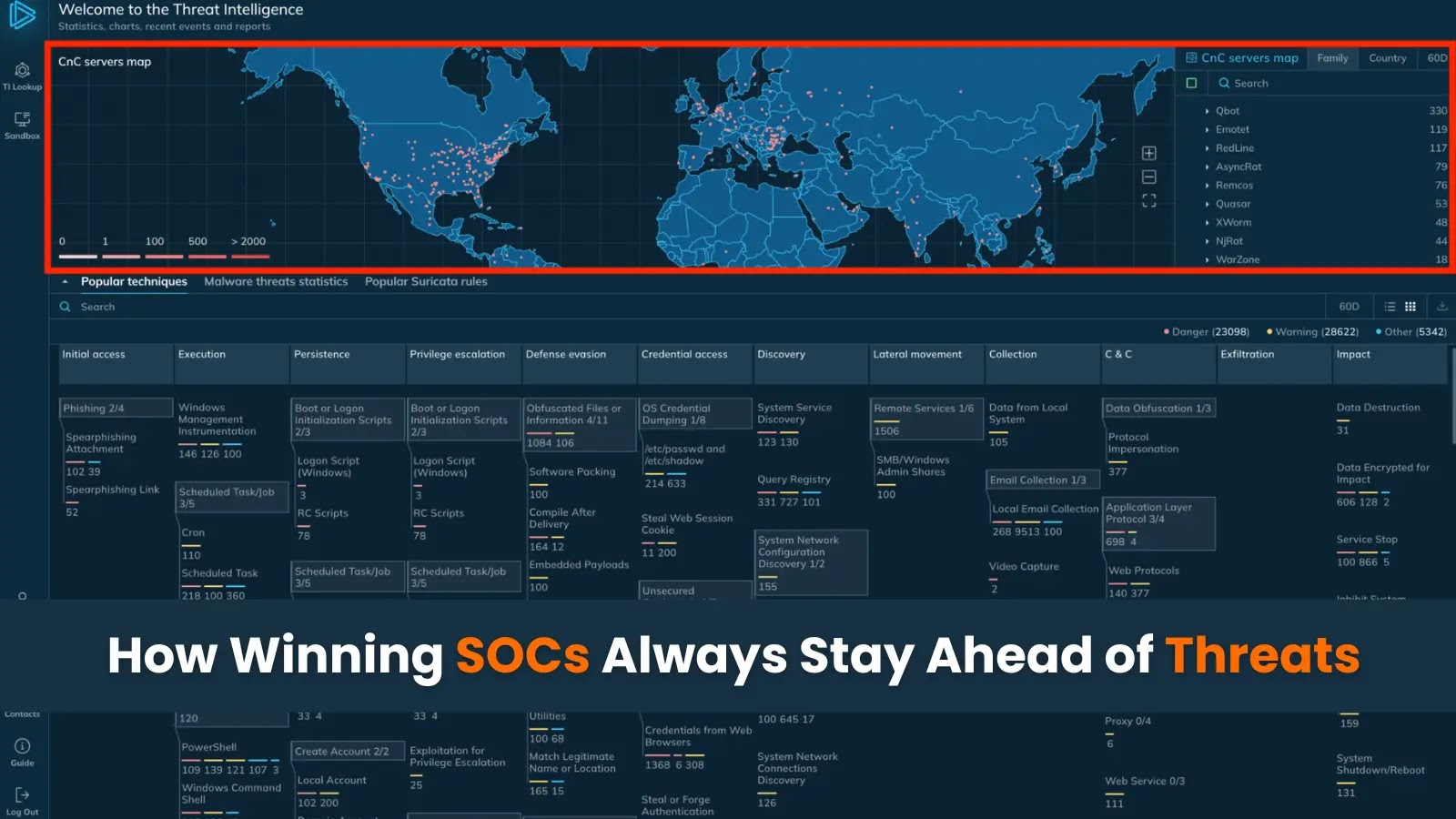
How Winning SOCs Always Stay Ahead of Threats  How Winning SOCs Always Stay Ahead of Threats  Cyber Security News
Moody Bible Institute Data Breach Affects Millions Moody Bible Institute Data Breach Affects Millions Cyber Security News
Microsoft Confirms Windows 11 25H2 UI Features Broken Along With 24H2 Following Update Microsoft Confirms Windows 11 25H2 UI Features Broken Along With 24H2 Following Update Cyber Security News
Microsoft to Default Passkeys in Entra ID by 2026 Microsoft to Default Passkeys in Entra ID by 2026 Cyber Security News
Kimwolf Botnet Hacked 2 Million Devices and Turned User’s Internet Connection as Proxy Node Kimwolf Botnet Hacked 2 Million Devices and Turned User’s Internet Connection as Proxy Node Cyber Security News

Categories

  • Cyber Security News
  • How To?
  • Security Week News
  • The Hacker News

Recent Posts

  • WordPress Patch Addresses Click2Shell Vulnerability
  • Feral Wolf Ransomware Exploits Exposed Business Systems
  • Abandoned CDN Domain Re-Registered, Impacting Thousands
  • Microsoft Patches Severe Azure AI Foundry Vulnerability
  • Brevo Security Breach Impacts Over 100,000 Websites

Pages

  • About Us – Contact
  • Disclaimer
  • Privacy Policy
  • Terms and Rules

Archives

  • September 2026
  • August 2026
  • July 2026
  • June 2026
  • May 2026
  • April 2026
  • March 2026
  • February 2026
  • January 2026
  • December 2025
  • November 2025
  • October 2025
  • September 2025
  • August 2025
  • July 2025
  • June 2025
  • May 2025

Recent Posts

  • WordPress Patch Addresses Click2Shell Vulnerability
  • Feral Wolf Ransomware Exploits Exposed Business Systems
  • Abandoned CDN Domain Re-Registered, Impacting Thousands
  • Microsoft Patches Severe Azure AI Foundry Vulnerability
  • Brevo Security Breach Impacts Over 100,000 Websites

Pages

  • About Us – Contact
  • Disclaimer
  • Privacy Policy
  • Terms and Rules

Categories

  • Cyber Security News
  • How To?
  • Security Week News
  • The Hacker News

Copyright © 2026 Cyber Web Spider Blog – News.

Powered by PressBook Masonry Dark